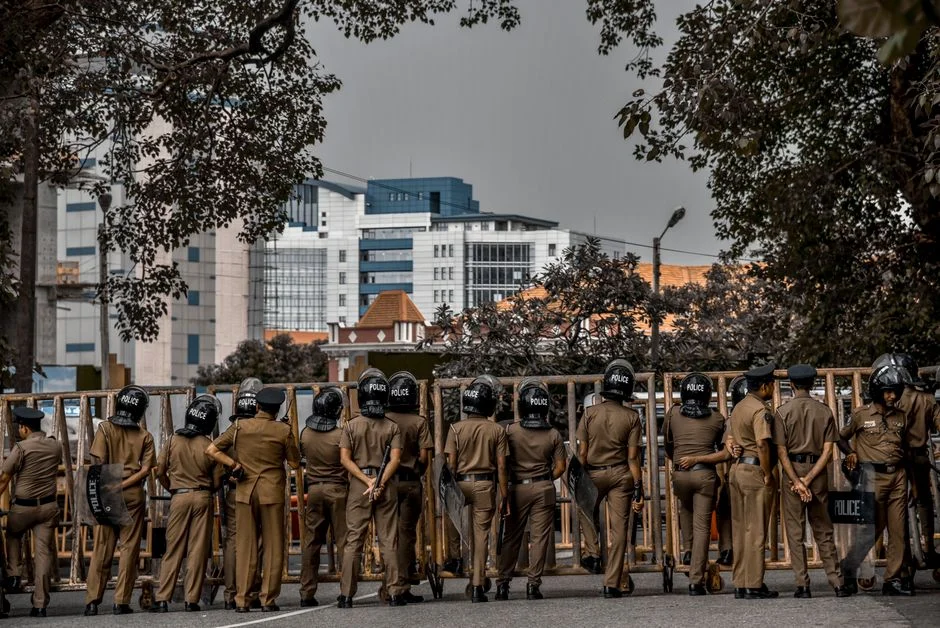
Nigeria's police have issued a stern warning against potential reprisal attacks targeting South Africans following recent violent incidents. This warning comes amid escalating tensions as officials urge peace and stability between the two nations, critical partners in the African economy.
Recent Violent Incidents Spark Tensions
The tensions originate from a spate of attacks in Nigeria that have been attributed to xenophobia, reflecting long-standing animosities simmering beneath the surface. Reports from local media indicate that at least six South Africans were targeted in assaults in Nigerian cities, prompting fears of escalating violence.
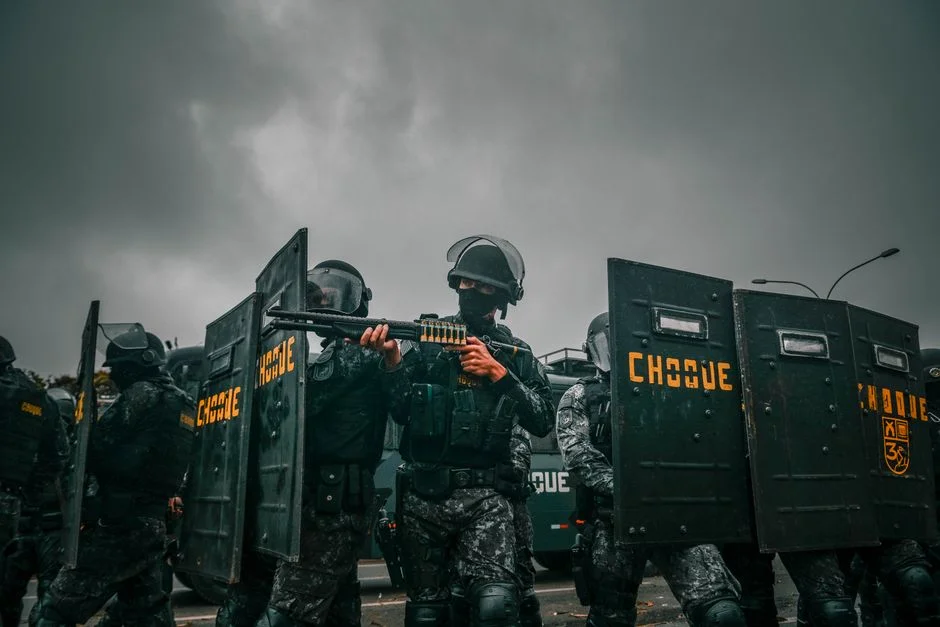
In response, the Nigeria Police Force has confirmed its commitment to safeguarding the South African community within Nigeria. They stated, "We will not tolerate any form of retaliation that can lead to further violence or strain our relationship with South Africa." This statement indicates the seriousness with which the Nigerian authorities view the situation, determining to maintain diplomatic channels.
Economic Implications of Rising Tensions
The deteriorating situation poses significant risks to economic stability in both nations. Nigeria and South Africa are among Africa's largest economies, and their bilateral trade is crucial for regional growth. In 2022, total trade between the two countries amounted to approximately $4.2 billion, underscoring the economic interdependence.
An escalation in hostilities could disrupt trade and investment flows, with businesses on both sides likely to suffer. South African companies, which have a strong presence in Nigeria through retail and telecommunications, may reconsider their expansion plans if violence escalates. Conversely, Nigerian firms exporting to South Africa could face backlash and reduced market access.
Investor Concerns Mount


Investors are increasingly wary of the potential fallout from these tensions. The Nigerian stock market, which had shown resilience in recent months, may be adversely affected as fear of reprisals could lead to sell-offs in shares of companies with significant South African exposure. Analysts have already begun to revise forecasts, with many predicting a downturn if violence continues.
As the economic landscape shifts, foreign direct investment (FDI) could decline, particularly in sectors where South African firms have invested heavily. The sentiment among investors is shifting toward caution, as they closely monitor the developments in this uneasy relationship.
Public Sentiment and Social Media Influence
Social media has played a considerable role in shaping public sentiment in both Nigeria and South Africa. Misinformation can exacerbate tensions and lead to public unrest, making it vital for both governments to engage in proactive communication strategies. The Nigeria Police have encouraged citizens to report any hate speech or incitement to violence they encounter online.
Authorities are attempting to foster dialogue to rebuild trust and prevent violence. They stress the importance of unity and understanding among communities, an effort that could be pivotal in addressing the underlying issues of xenophobia and violence.
What’s Next for Nigeria and South Africa?
Looking forward, the Nigeria Police's warning serves as a reminder of the fragile nature of relations between these two nations. Both governments must take concrete steps to de-escalate tensions and engage in dialogue. As Nigeria prepares for upcoming local elections, the risk of violence could pose a significant threat to stability.
Investors should remain vigilant as the situation evolves, watching for signs of either improvement or deterioration in the diplomatic relations. Key dates to note include the upcoming community forums aimed at fostering dialogue, scheduled for next month. How both governments handle this crisis will be critical for long-term economic relations.
See Also
- Hegseth Warns Iran Conflict Looms as U.S. Readies Combat Response
- High Court Strips Godongwana of VAT Powers: Implications for South Africa’s Economy