The Nigerian government confirmed on Tuesday the completion of its third repatriation operation this year, airlifting citizens from South Africa following outbreaks of xenophobic violence that have rattled the country's reputation as a regional economic hub. The latest group arrived in Lagos on charter flights arranged through the nation's foreign affairs ministry, bringing with them accounts of targeted attacks on shops, homes, and businesses owned by Nigerians in Johannesburg and Pretoria. Officials in Abuja said the operation cost the government an undisclosed sum, with additional expenses expected as authorities work to resettle returning nationals. The repeated exodus of Nigerian migrants raises urgent questions about South Africa's ability to protect foreign investors and maintain the stable business environment it needs to attract capital across the continent.
Economic Toll on South Africa's Business Community
Nigerian entrepreneurs have built substantial commercial presences in South Africa's major cities over the past two decades, particularly in retail, wholesale trade, and informal sector services. The attacks have forced many to abandon thriving businesses, leaving inventory, equipment, and lease agreements in disarray. Johannesburg's city centre, where Nigerian-owned enterprises cluster in certain commercial zones, has seen shuttered storefronts and property owners reporting unpaid rent from displaced tenants. The South African Chamber of Commerce and Industry warned in a statement that recurring xenophobic incidents damage the country's credibility as a destination for African trade and investment. Multinational companies evaluating South Africa as a regional headquarters now face questions from their boards about the reliability of the operating environment.

Trade Relations Under Strain
South Africa and Nigeria maintain significant bilateral trade flows, with South African companies including MTN, Shoprite, and Multichoice operating extensive businesses in Nigeria. Those operations have faced periodic friction, including regulatory challenges and occasional popular backlash in Nigeria tied to perceptions of South African economic dominance. The xenophobia crisis adds diplomatic strain to commercial relationships that both governments have sought to deepen under the African Continental Free Trade Area framework. Nigerian trade officials have publicly expres sed frustration, with the country's high commission in Pretoria summoning South African diplomats to address the safety of its citizens. Business councils on both sides report that joint ventures and partnership agreements face new uncertainty as corporate lawyers reassess political risk exposure.
Investment Confidence Takes a Hit
Foreign portfolio investors track country risk indicators closely, and South Africa's standing has suffered measurable damage from the violence. Credit rating agencies and sovereign wealth funds incorporate social stability metrics into their assessments, and the third repatriation in a single year signals a pattern rather than an isolated incident. South Africa's rand has fluctuated in recent months amid broader emerging market pressures, and analysts point to domestic social tensions as an added risk factor that could widen the country's borrowing costs. The government in Pretoria has scrambled to issue assurances, with the tourism and trade ministries launching public diplomacy campaigns aimed at African Union partners. Whether those efforts restore confidence among the institutional investors South Africa needs to fund its fiscal deficits remains to be seen.
Humanitarian Dimension Intersects with Economic Reality
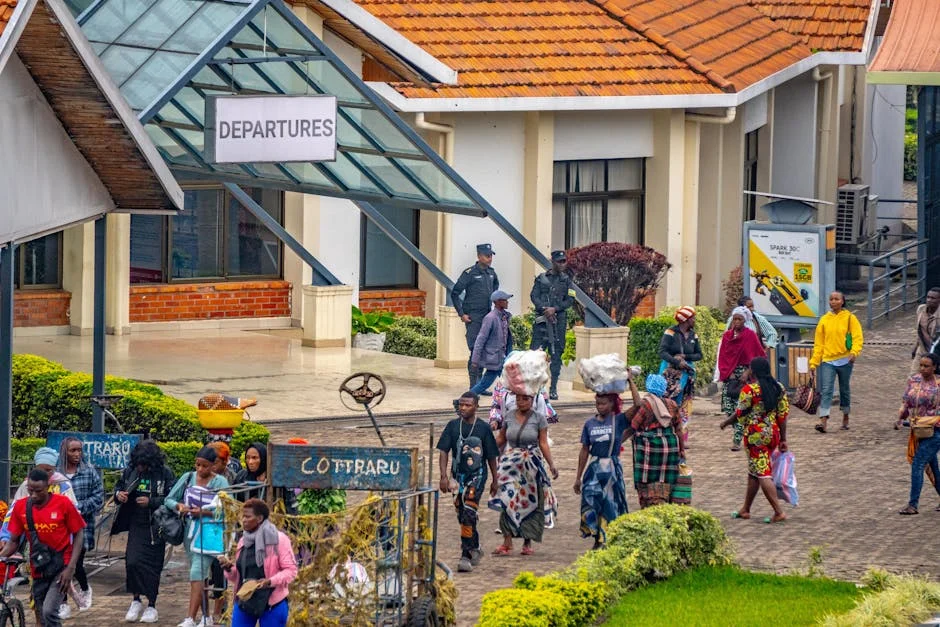

Beyond the macroeconomic statistics lies a human cost that carries its own economic weight. Returning Nigerians include skilled workers, small business owners, and students whose education in South African institutions represents a human capital investment now disrupted. The Nigerian government faces pressure to absorb these citizens into an economy already contending with high unemployment and sluggish growth. Charities and diaspora organisations have scrambled to provide assistance, but resources remain limited. The International Organization for Migration confirmed it has supported some aspects of the repatriation process, though the organisation did not release specific figures on the number of people assisted this round.
What Comes Next for Both Economies
South Africa's government faces mounting pressure to demonstrate that it can protect foreign nationals and uphold the rule of law. The country's president has condemned the violence publicly, and police have made arrests in several cases, but critics argue that enforcement remains inconsistent and that inflammatory political rhetoric continues to fuel tensions. Nigeria, for its part, must decide whether to resume consular outreach and student exchange programmes that have historically strengthened ties between the two largest economies in sub-Saharan Africa. Business leaders on both sides say they are watching closely to see whether the next few months bring genuine improvements in security or whether a fourth repatriation becomes necessary. The diplomatic temperature and the pace of economic normalisation will determine whether the bilateral relationship survives this latest crisis intact.
See Also
- Hugo Broos Shifts Bafana Bafana’s Focus to High-Altitude Prep Amid Visa Chaos
- SA Health Crisis: How Sexual Shame Drives Up Economic Costs
South Africa's rand has fluctuated in recent months amid broader emerging market pressures, and analysts point to domestic social tensions as an added risk factor that could widen the country's borrowing costs. The country's president has condemned the violence publicly, and police have made arrests in several cases, but critics argue that enforcement remains inconsistent and that inflammatory political rhetoric continues to fuel tensions.