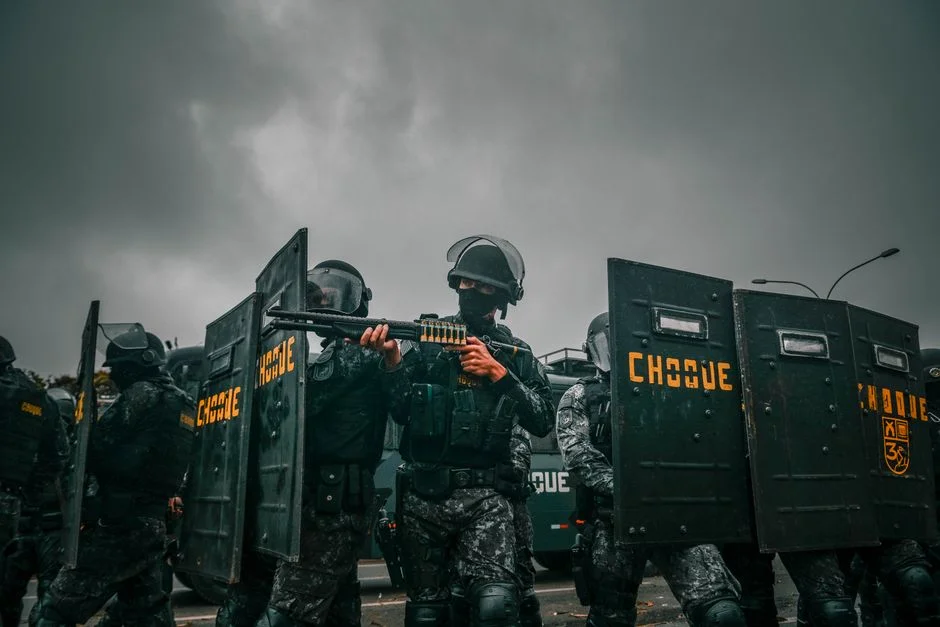
Officers from the Nigeria Police Force rescued a woman and her twin sons from captivity in Ibadan on June, killing two suspects during the operation. The breakthrough ended a ordeal that had rattled business communities across Oyo State, where kidnapping has become an operational risk companies can no longer ignore.
Police operation in Ibadan
The woman and her two children were recovered alive following a targeted raid in the Oyo State capital. Two suspected kidnappers were neutralised during the intervention, the Nigeria Police Force confirmed through its official channels. Peter, a spokesperson for the force, said officers acted on intelligence gathered over several days to locate the hostages before dawn.
Olaide Busayo Adegoke John, a local official in Ibadan, confirmed the rescue took place within the city limits but declined to specify the exact neighbourhood. No further details about the victims' identities or the suspects have been released pending further investigation.
Businesses reassess personal security
The abduction has triggered a reassessment of security spending among corporate executives and wealthy families in Nigeria's commercial hubs. Kidnapping for ransom has grown more frequent in recent years, turning personal security from a luxury into a line-item expense for anyone perceived as high-value.
Companies operating in the region have begun reviewing their crisis protocols. A growing number are now contracting private security firms to provide escort services, installing GPS tracking in vehicles, and conducting background checks on household staff. The operational costs are substantial, but executives argue they pale against the reputational and financial damage a successful kidnapping can inflict.
Insurance and protection services
Insurers offering kidnap-and-ransom policies have reported a rise in enquiries since the incident. Premiums for comprehensive coverage have climbed steadily across the sector, reflecting a claims environment that shows no signs of easing. Security consultancies in Lagos and Abuja say they are fielding more requests for threat assessments and family protection details than at any point in the past 18 months.
Paul, a risk consultant who advises several mid-sized businesses in the southwest region, told local media that clients are increasingly treating personal security as a board-level concern rather than a household matter. That shift in thinking carries direct implications for how companies allocate resources and define their duty of care to senior staff.
Investor confidence and security climate


Kidnapping incidents carry weight beyond individual families. Foreign investors tracking Nigeria's investment climate routinely flag personal security as a factor in location decisions and executive placement. The southwest region, home to Ibadan's commercial districts and several industrial zones, has historically been considered relatively stable compared to the north, where larger-scale security challenges persist.
A successful kidnapping in Ibadan's urban core tests that assumption. It sends a signal to fund managers and multinationals reviewing expansion plans that threats can materialise in secondary cities, not just remote rural areas. Analysts tracking sub-Saharan Africa investment flows note that security perceptions influence capital allocation decisions in ways that rarely appear in official statistics but show up clearly in project pipelines.
Community impact and prevention gaps
For residents of Ibadan, the rescue brought relief but also renewed questions about neighbourhood-level prevention. Neighbours of the family said they had noticed nothing unusual in the days leading up to the abduction, a pattern security trainers often cite as a common vulnerability. Kidnappers typically conduct surveillance before striking, and early warning signs go unrecognised without targeted awareness training.
Community policing initiatives exist on paper across Oyo State, but their effectiveness varies widely. Security experts say stronger ties between neighbourhood associations and local police commands could close some of the gaps that allow perpetrators to operate undetected. Whether resources and political will exist to strengthen those ties remains an open question.
What comes next
The Nigeria Police Force has not announced any changes to its operational posture following the rescue. Investigators are still processing the scene and interviewing witnesses. Authorities have called on anyone with information about the suspects or their network to come forward.
What businesses and families should watch is whether the force uses this case to announce enhanced coordination with private security providers or expanded patrols in areas prone to targeting. Without visible follow-through, the incident risks becoming another data point in a trend that continues to push security costs higher across the region.
See Also
- France Bets on Kenya to Reset Africa Trade Ties
- Nigeria’s FRC Forces Actuarial Reform — Markets React
Analysts tracking sub-Saharan Africa investment flows note that security perceptions influence capital allocation decisions in ways that rarely appear in official statistics but show up clearly in project pipelines.Community impact and prevention gapsFor residents of Ibadan, the rescue brought relief but also renewed questions about neighbourhood-level prevention. Security experts say stronger ties between neighbourhood associations and local police commands could close some of the gaps that allow perpetrators to operate undetected.