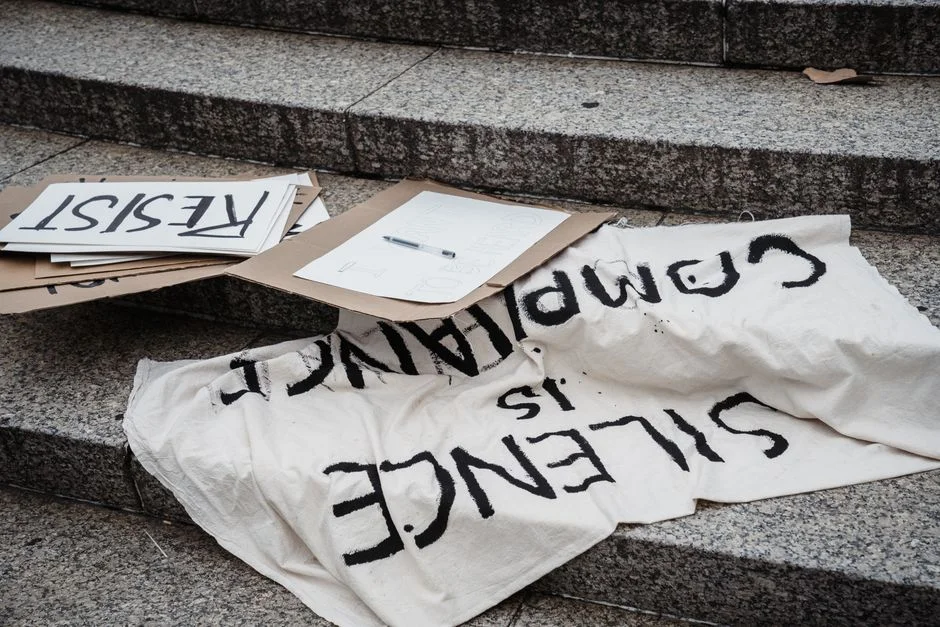
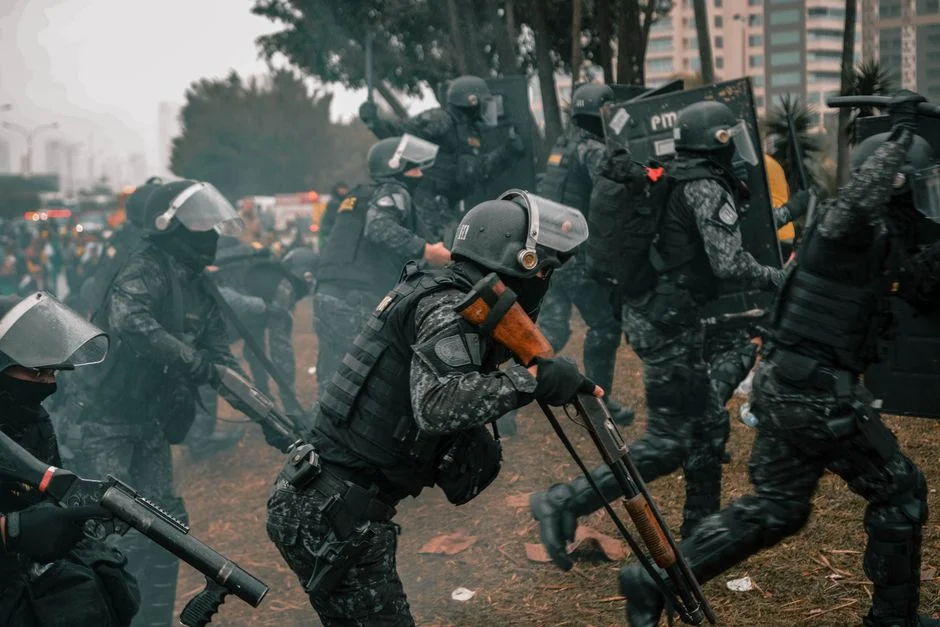
Police in Nigeria are facing mounting accusations that officers abducted a journalist from Secrets Reporters while investigating Deputy Governor Emem Usoro of the Central Bank of Nigeria. The incident occurred on Thursday, according to reports, raising fresh questions about press freedom and the independence of the country's monetary authorities at a time when investor confidence in Africa's largest economy remains fragile.
Journalist Abduction Sparks Outrage
Authorities have not confirmed the whereabouts of the Secrets Reporters journalist, who investigators were examining in connection with Emem Usoro's activities at the CBN. Human rights groups quickly condemned the alleged abduction, warning that attacks on the press undermine the credibility of financial oversight institutions. The Nigeria Police Force declined to comment on the specific allegations but stated that its officers act within the law.

Secrets Reporters, an online investigative outlet, published a statement demanding the journalist's immediate release. The organisation described the alleged abduction as a direct assault on constitutional rights and press freedom. International press freedom organisations also called for an independent investigation, citing patterns of intimidation against financial journalists in Nigeria.
CBN Deputy Governor Under Scrutiny
Emem Usoro, one of the deputy governors at Nigeria's Central Bank, has been at the centre of a probe examining financial transactions and regulatory compliance. The CBN, which controls monetary policy for an economy worth roughly $450 billion, plays a critical role in managing the naira and controlling inflation that has plagued Nigerian households. The investigation into Usoro has been ongoing for several weeks, though authorities have not disclosed specific allegations.
The timing of the journalist's alleged abduction coincides with heightened scrutiny of CBN governance. Markets have watched developments nervously, as any perception of political interference in the central bank's operations could damage Nigeria's standing with international creditors and foreign investors. The naira has struggled against major currencies in recent months, and investors are closely monitoring signals about institutional independence.
Investor Confidence at Stake
Economic analysts warn that incidents like the alleged abduction send troubling signals to the business community. Nigeria is seeking to attract foreign direct investment to address a growing fiscal gap, and any perceived erosion of rule of law deters capital flows. The country competes with Egypt, Kenya, and South Africa for portfolio investment, and regional comparisons often highlight institutional reliability as a key differentiator.
International business councils operating in Lagos and Abuja have expressed concern privately, according to industry sources familiar with the discussions. Companies with significant operations in Nigeria say they monitor rule-of-law indicators closely when evaluating expansion plans. A weakened press freedom environment makes due diligence harder for investors assessing risk.
Broader Implications for Financial Oversight

Press freedom advocates argue that journalists investigating financial institutions serve a vital market function. They expose corruption, flag regulatory failures, and provide information that investors rely on to allocate capital efficiently. When reporters face intimidation, the quality of market information deteriorates, potentially leading to mispriced assets and inefficient capital allocation across the economy.
The Economic and Financial Crimes Commission, Nigeria's anti-corruption agency, has not confirmed any involvement in the alleged abduction. Officials familiar with the matter told reporters that multiple agencies are coordinating the investigation into Usoro, though they did not specify which bodies are participating. The CBN governor has remained silent on the controversy, fueling speculation about internal tensions within the institution.
Regional Comparison and Market Reaction
Neighboring West African economies have experienced similar tensions between financial regulators and media organisations, but Nigeria's scale amplifies global attention. South Africa's financial regulators, by contrast, have faced fewer press freedom controversies, making that country comparatively attractive to risk-averse investors. Ghana has also maintained stronger protections for financial journalists, according to the African Media Initiative.
Currency markets showed limited immediate reaction to the news, with the naira trading within recent ranges against the dollar. However, bond spreads — a measure of investor perception of default risk — widened slightly in early trading following reports of the alleged abduction. Market participants indicated they are awaiting statements from the CBN and the presidency before adjusting positions significantly.
What Happens Next
The National Assembly has announced plans to summon police officials and CBN representatives to explain the circumstances surrounding the investigation. Lawmakers from the Senate Committee on Banking, Insurance, and Other Financial Institutions are expected to convene hearings within the next fortnight. Human rights lawyers have filed for an emergency court order demanding the journalist's release, with a judge scheduled to rule early next week.
International observers, including diplomatic missions representing major trading partners, have requested briefings on the situation. The outcome of these developments could shape whether Nigeria maintains its current investment-grade status with credit rating agencies. Businesses with exposure to Nigerian markets should monitor legislative proceedings closely, as any credible findings of institutional overreach could trigger capital outflows or increased borrowing costs.
See Also
- Durban Immigration Chaos Triggers Business Alarm
- Woolworths Hit by Second Blast — Retail Markets Brace for Impact
Market participants indicated they are awaiting statements from the CBN and the presidency before adjusting positions significantly.What Happens NextThe National Assembly has announced plans to summon police officials and CBN representatives to explain the circumstances surrounding the investigation. Human rights lawyers have filed for an emergency court order demanding the journalist's release, with a judge scheduled to rule early next week.International observers, including diplomatic missions representing major trading partners, have requested briefings on the situation.