African economies are increasingly turning to luxury tourism as a strategy to boost revenues and attract high-spending visitors. Countries across the continent are investing heavily in premium resorts, lodges, and exclusive attractions to lure affluent tourists. While this approach promises significant economic gains, it poses risks that could potentially destabilise already fragile economies.
Recent Developments in Luxury Tourism
Several African countries, including South Africa, Kenya, and Morocco, have embarked on ambitious projects aimed at positioning themselves as top luxury destinations. This includes the development of high-end resorts and exclusive safari experiences. The hope is to tap into a growing global trend where tourists are willing to spend significant amounts for unique and premium experiences.
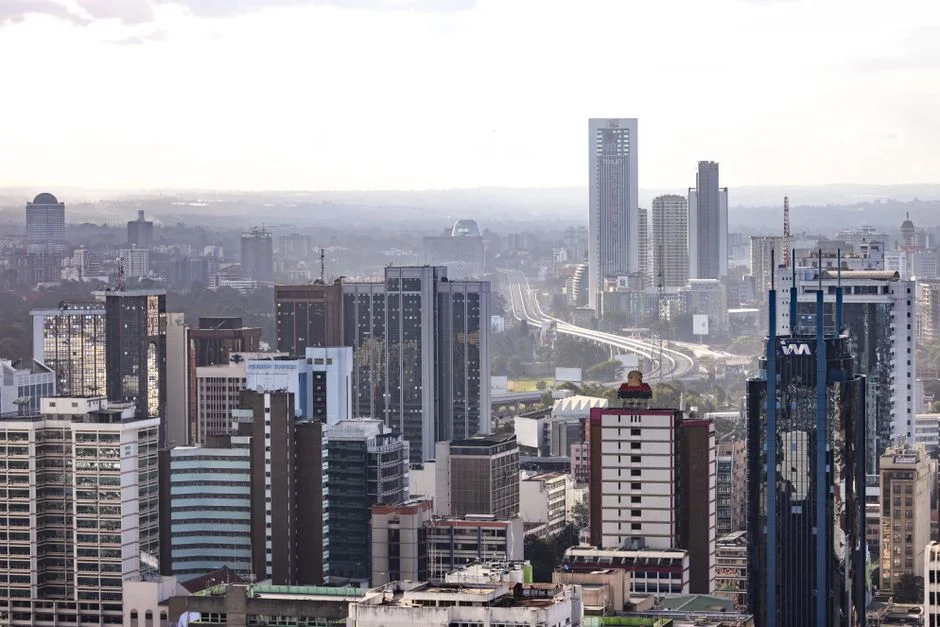
The focus on luxury tourism is driven by the belief that it could lead to increased foreign exchange earnings, create jobs, and stimulate local economies. However, the strategy is not without its challenges, as it requires substantial initial investment and can make economies overly reliant on a volatile sector.
Historical Context and Strategy
Historically, African countries have relied heavily on natural resources such as minerals and agriculture for economic growth. However, fluctuating commodity prices and external market pressures have prompted a shift towards diversifying economies. The adoption of luxury tourism aligns with efforts to reduce dependence on traditional sectors and create a more resilient economic base.
This strategy is not unique to Africa. Countries globally have capitalised on luxury tourism to generate revenue. However, African states face unique challenges, such as political instability and limited infrastructure, which could hinder the success of this approach.
Economic and Market Implications


The economic stakes are high. By prioritising luxury tourism, African governments hope to increase GDP contributions from the tourism sector. In South Africa, tourism accounts for approximately 8.6% of the GDP, and there is potential for further growth by targeting affluent visitors.
Moreover, luxury tourism can create a multiplier effect, boosting sectors such as hospitality, construction, and transportation. However, over-reliance on this sector could expose economies to external shocks, especially during global economic downturns when discretionary spending on luxury experiences declines.
Key Players in the Luxury Tourism Sector
Key players driving the luxury tourism agenda include international hotel chains, local tour operators, and government tourism boards. Companies such as Marriott and Hilton have been expanding their footprints across the continent, recognising the potential of untapped luxury markets.
Government agencies play a crucial role in facilitating this growth by providing incentives for investment, easing entry barriers, and promoting destinations internationally. However, collaboration between public and private sectors is essential to address challenges such as infrastructure development and capacity building.
Stakeholder Reactions and Concerns
While many stakeholders are optimistic about the prospects of luxury tourism, there are concerns about its long-term sustainability. Critics argue that focusing on high-end tourism could exacerbate social inequalities and marginalise local communities who do not benefit directly from these developments.
Environmental groups also caution against the potential ecological impact of large-scale tourism projects. The balance between attracting tourists and preserving natural habitats is delicate and requires careful management to ensure that economic benefits do not come at the expense of environmental degradation.
Broader Implications for the Region
The move towards luxury tourism is part of a broader trend of economic diversification across Africa. As countries seek to build more sustainable and inclusive economies, the success of luxury tourism could serve as a model for other sectors.
However, it is crucial for African economies to learn from global examples and implement policies that safeguard against over-reliance on a single sector. Diversification within the tourism industry itself—such as promoting eco-tourism and cultural tourism—can mitigate risks associated with luxury tourism.
Future Prospects and Challenges
Looking ahead, the future of luxury tourism in Africa will depend on several factors, including global economic conditions, political stability, and the ability to build infrastructure that meets the demands of high-end tourists.
Governments will need to address regulatory frameworks, streamline investment processes, and ensure that local communities benefit from tourism activities. Moreover, monitoring market trends and adapting to changing consumer preferences will be essential for maintaining competitiveness.
The next few years will be critical as African nations attempt to balance the allure of luxury tourism with the need for sustainable economic growth. Watch for new luxury projects, policy shifts, and partnerships that could reshape the tourism landscape in Africa.
See Also
- India's Cricket Team Set to Boost South Africa Tourism Amid T20 Series
- Israel Halts BRICS+ Talks Over Upper Galilee Dispute
Critics argue that focusing on high-end tourism could exacerbate social inequalities and marginalise local communities who do not benefit directly from these developments.Environmental groups also caution against the potential ecological impact of large-scale tourism projects. Moreover, monitoring market trends and adapting to changing consumer preferences will be essential for maintaining competitiveness.The next few years will be critical as African nations attempt to balance the allure of luxury tourism with the need for sustainable economic growth.