The Road Freight Association (RFA) and the South African Freight and Logistics Association (SAFLA) have taken a significant step to enhance the efficiency of freight forwarding in South Africa. On Tuesday, the two organisations signed a Memorandum of Understanding (MoU) aimed at streamlining operations across the sector. This strategic partnership is poised to reshape the logistics landscape, crucial for businesses and the broader economy.
Details of the Memorandum of Understanding
The MoU between RFA and SAFLA outlines a collaborative framework to address longstanding challenges in the South African freight industry. It focuses on improving operational efficiencies, reducing bottlenecks, and enhancing service delivery. The agreement marks a commitment to foster innovation and use technology to tackle logistical issues that have hampered growth in the sector.
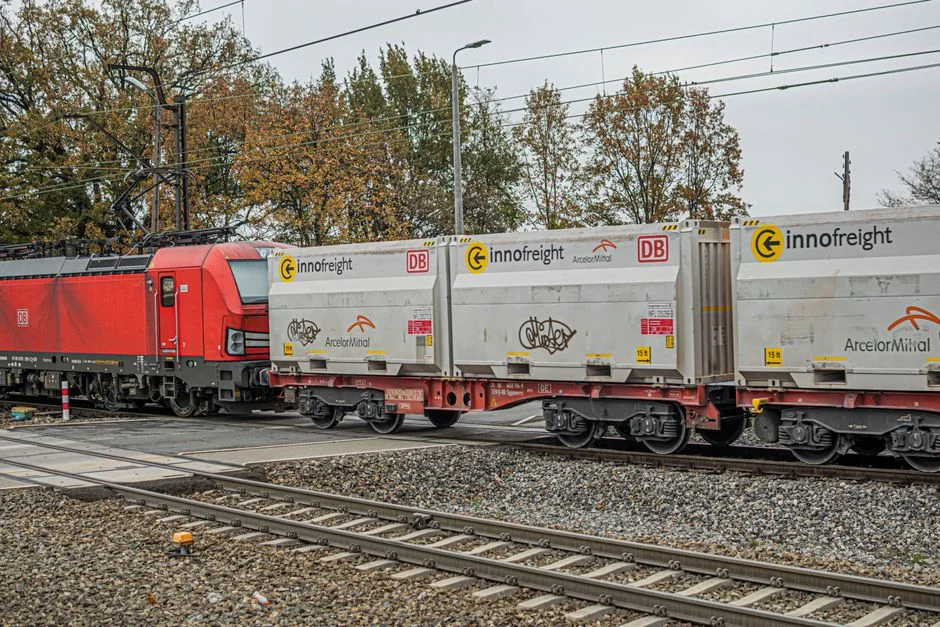
This agreement comes at a time when the South African logistics industry is under pressure to optimise processes and reduce costs. With this MoU, both associations aim to establish best practices and standardise procedures, thereby promoting consistency and reliability in freight forwarding services. This move is expected to improve competitiveness and attract more business to South Africa.
Historical Context and Industry Challenges
South Africa's logistics sector has faced numerous challenges over the years, including infrastructure deficits, regulatory hurdles, and inefficiencies in customs processes. These issues have often resulted in delays and increased costs, impacting the global competitiveness of South African businesses.
The establishment of robust logistics networks has been a priority for successive governments, recognising that efficient freight forwarding is crucial to economic growth. However, progress has been slow, necessitating partnerships like the one between RFA and SAFLA to drive meaningful change. Historically, fragmented efforts have led to inconsistencies in service quality and delivery times across the country.
Economic Impact and Stakeholder Benefits


The MoU promises substantial economic benefits by potentially reducing logistical costs, which are often passed onto consumers. For businesses, this means increased margins and improved supply chain reliability. The partnership could also stimulate job creation in logistics and related sectors, providing a much-needed boost to the South African economy.
On a broader scale, streamlined logistics will likely enhance South Africa's attractiveness as a trade and investment destination. The country's strategic location as a gateway to the rest of Africa positions it uniquely in global supply chains. Improvements in freight forwarding efficiency will strengthen this position, enabling South African companies to better compete on the international stage.
Key Players: RFA and SAFLA
The Road Freight Association is a prominent body representing the interests of the road freight industry in South Africa. It plays a critical role in advocating for policy changes and improvements in road freight operations. Meanwhile, the South African Freight and Logistics Association is instrumental in representing various stakeholders across the logistics spectrum, from warehouse operators to cargo handlers.
Both organisations have a track record of championing initiatives to enhance service delivery and industry standards. Their collaboration through this MoU reflects a shared vision to optimise logistics operations and support sustainable industry growth. By combining resources and expertise, RFA and SAFLA are well-positioned to drive the reforms needed in the sector.
Reactions from Industry Stakeholders
Reactions to the MoU have been largely positive, with industry stakeholders expressing optimism about the potential improvements in logistics efficiency. Some freight companies have already indicated their willingness to align their operations with the new standards anticipated from this partnership.
However, there are cautious voices concerned about the implementation phase. Previous reform efforts in the logistics sector have faced difficulties due to regulatory and infrastructural challenges. Nevertheless, the proactive involvement of RFA and SAFLA instills confidence that this initiative could overcome such obstacles through coordinated efforts.
Connecting to Broader Trends
This MoU is part of a broader trend towards digitisation and modernisation in the global logistics industry. As digital tools become increasingly integral to logistics operations, South Africa's adoption of innovative solutions will be crucial for maintaining competitiveness. The MoU emphasises leveraging technology to improve tracking systems, data management, and communications within the freight forwarding process.
Globally, the logistics industry is embracing smart technologies and data-driven decision-making to enhance efficiency and sustainability. South Africa’s alignment with these trends will not only improve domestic operations but also ensure it remains a key player in international logistics networks.
Next Steps and Future Prospects
Looking ahead, the successful implementation of the MoU will depend on the establishment of clear operational frameworks and continuous stakeholder engagement. Both RFA and SAFLA have pledged to work closely with government agencies to secure necessary regulatory approvals and infrastructure improvements.
In the coming months, stakeholders will be keenly watching for any policy announcements or pilot projects that materialise from this partnership. As the logistics sector evolves, companies must remain agile and responsive to changing industry standards.
With the groundwork laid by this MoU, the freight forwarding sector in South Africa is poised for transformation. If successful, this initiative could set a precedent for similar collaborations across other sectors, driving growth and innovation within the South African economy.
See Also
- Durban's Mob Justice Crisis Forces Businesses to Rethink Security Strategies
- Blitzboks Topple Kenya to Secure Spot in Spain Quarters — What’s Next?
Some freight companies have already indicated their willingness to align their operations with the new standards anticipated from this partnership.However, there are cautious voices concerned about the implementation phase. South Africa’s alignment with these trends will not only improve domestic operations but also ensure it remains a key player in international logistics networks.Next Steps and Future ProspectsLooking ahead, the successful implementation of the MoU will depend on the establishment of clear operational frameworks and continuous stakeholder engagement.
What is the latest news about new mou to revolutionise freight forwarding in south africa?
Why does this matter for infrastructure-cities?
What are the key facts about new mou to revolutionise freight forwarding in south africa?