The Nigeria Police Force on Tuesday issued a firm warning that any reprisal attacks against South African nationals or businesses would be met with immediate arrest and prosecution. The directive came as tensions between the two largest African economies simmered following violent incidents in Johannesburg last month that left several foreign nationals dead and dozens of shops destroyed. Police authorities in Lagos and Abuja confirmed the order applies across all 36 states and the Federal Capital Territory.
Police Threaten Arrests for Vigilante Violence
Inspector General of Police Olukayode Egbeyemi signed the directive Monday evening, authorising station commanders to detain anyone participating in anti-South African demonstrations that turn violent. The order, circulated to state police commissioners, explicitly names South African nationals as protected persons under Nigerian law. Security analysts in Lagos said the directive signals Abuja's concern that protests planned for this weekend could spiral beyond control.
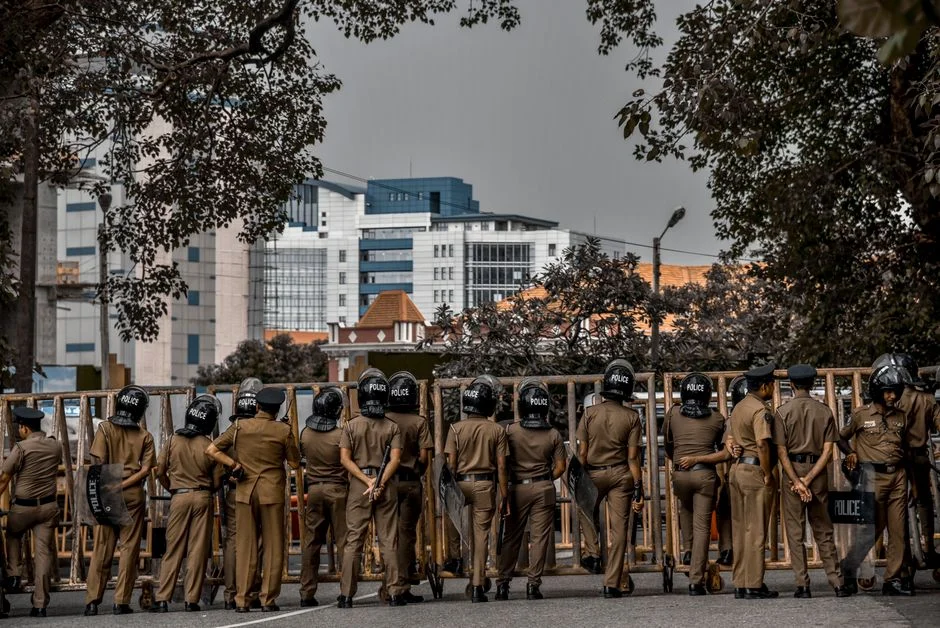
Egbeyemi stated in Abuja that Nigeria would not tolerate citizens taking the law into their own hands. The warning follows an emergency meeting between police brass and foreign affairs ministry officials last Friday. Three suspects remain in custody in Lagos over an alleged attack on a South African-owned restaurant in the Ikeja district last Wednesday.
Economic Ties Hang in the Balance
The bilateral trade relationship between Nigeria and South Africa is worth an estimated $8.5 billion annually, according to 2023 figures from the African Development Bank. South African companies operate across Nigeria's banking, telecommunications, and retail sectors, while Nigerian firms have significant investments in Johannesburg. Business leaders in both countries watched Tuesday's police statement with undisguised anxiety.
MTN Nigeria, the country's largest telecommunications operator by subscriber count, declined to comment on security arrangements for its stores. Multichoice, which owns the DSTV platform serving millions of Nigerian households, has not issued a public statement since the Johannesburg attacks. Market analysts noted that share prices for Nigeria-listed companies with South African parent groups showed modest declines Tuesday afternoon on the Nigerian Exchange Limited.
What Sparked the Tensions

The violence erupted in the Johannesburg township of Alexandra in late April, where mobs attacked shops owned by foreign nationals, including Nigerians. At least 12 people died and nearly 300 arrests were made during the unrest. South African President Cyril Ramaphosa condemned the attacks as criminal acts driven by economic frustration, but critics pointed to longstanding resentment over jobs and business opportunities.
Nigerian Foreign Minister Yusuf Tuggar summoned South Africa's high commissioner to Abuja the following week, demanding guarantees for Nigerian citizens' safety. Tuggar told reporters that 10 Nigerians had been killed in South Africa since January, a figure disputed by Pretoria. The diplomatic spat quickly escalated beyond consular matters, with trade representatives on both sides quietly pressing pause on scheduled investment forums.
Investor Confidence Takes a Hit
Foreign portfolio investors pulled roughly 2.1 billion rand ($114 million) from South African equities in the week following the Alexandra violence, data from J.P. Morgan showed. While Nigeria has not yet released comparable figures, currency traders in Lagos reported elevated demand for dollars late Tuesday as some investors hedged against potential deterioration in bilateral relations. The naira held steady at 1,515 per dollar in official trading, though black-market rates ticked slightly higher.
The African Continental Free Trade Area secretariat in Accra quietly flagged concerns about reputational damage to the continent's investment narrative. Two major infrastructure deals reportedly under negotiation between Nigerian and South African state enterprises have been suspended indefinitely, according to sources familiar with the discussions who asked not to be named pending official announcements.
Diplomatic Channels Reopen
Despite the public posturing, senior diplomats from both countries met behind closed doors in Geneva last Thursday under African Union mediation. A joint communique released Sunday committed both governments to protecting foreign nationals and their property, though it contained no binding enforcement mechanisms. Nigerian Ambassador to South Africa Ahmed Yahaya acknowledged the talks were frank but constructive during a phone interview from Pretoria.
Ramaphosa's office indicated Tuesday that a reciprocal visit by Nigerian officials to assess conditions for Nigerian businesses in South Africa would proceed sometime in the next two months. South Africa's trade ministry has proposed establishing a joint monitoring committee, though no timeline for implementation was given. The AU Peace and Security Council is scheduled to receive a briefing on xenophobia across the continent next week in Addis Ababa.
Weekend Rallies Could Test Government Resolve
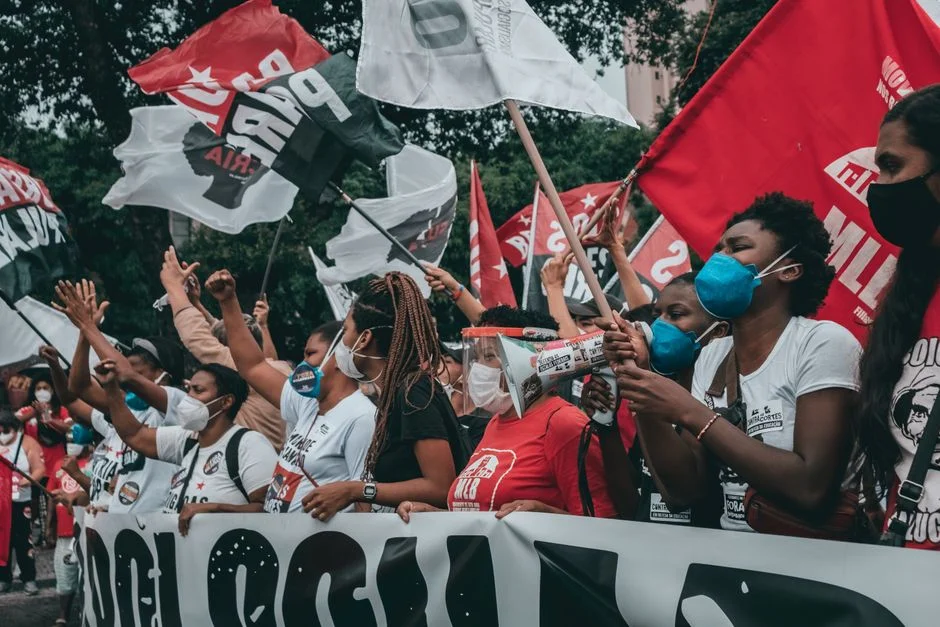
Organisers of the Save Nigeria Solidarity March, scheduled for Saturday in Lagos, insisted the protest would remain peaceful but acknowledged the police directive had created an atmosphere of uncertainty. Several thousand people are expected to participate, according to estimates from civil society groups coordinating the event. Police have requested a 48-hour ban on public demonstrations in Lagos Island, a request lawyers are challenging in court.
Meanwhile, South African businesses operating in Nigeria have quietly reviewed contingency plans. Two executives at major Johannesburg-headquartered retailers told this publication that emergency protocols were activated following the Alexandra attacks, though normal operations continue for now. Insurance underwriters in London noted a marginal increase in premiums for political violence coverage across both markets, reflecting elevated risk assessments.
What happens in the next seven days will likely determine whether this remains a diplomatic inconvenience or escalates into something that damages the continent's two largest economies. The planned visit by Nigerian officials to South Africa in the coming weeks represents the first concrete test of whether the Geneva communique translates into genuine protection for citizens and assets on both sides.
See Also
- Diezani Alison-Madueke Trial Verdict Triggers Nigeria Market Volatility
- Starmer Urges Britain to Stay Cool Amid Middle East Tensions: What This Means for Africa