Flooding across Côte d'Ivoire has claimed at least 59 lives as torrential rains continue to batter much of West Africa, officials confirmed. The disaster has displaced thousands and raised urgent questions about infrastructure resilience and the economic consequences for a region still recovering from multiple crises.
Death Toll Rises as Floodwaters Spread
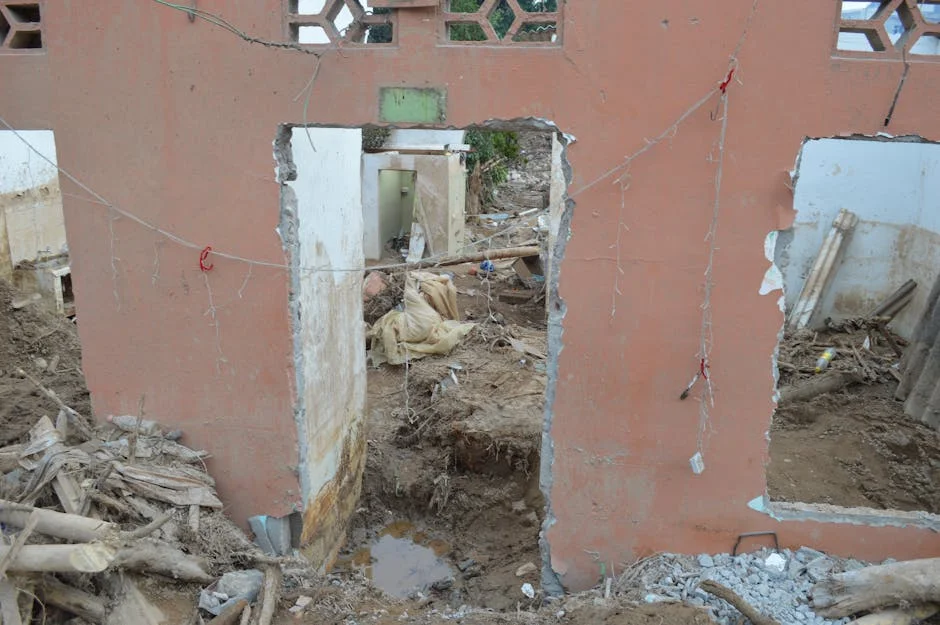
The death count reached 59 on Tuesday as floodwaters engulfed neighbourhoods in the commercial capital Abidjan and rural areas across the country. Emergency services reported that search and rescue operations were ongoing, with several districts still inaccessible. The government declared a national emergency as waters continue to rise in low-lying areas.
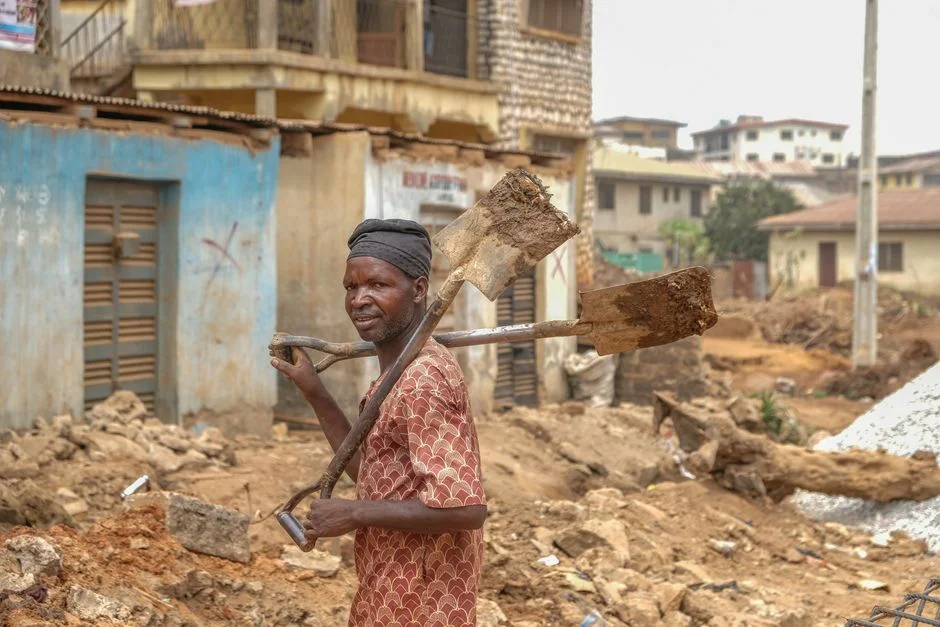
Local authorities in Bonoua and Yamoussoukro confirmed significant damage to residential property, with entire communities submerged. The national meteorological service warned that additional heavy rainfall is expected over the coming days, raising fears the death toll could climb further.
West Africa Battles Unusual Rainfall Pattern
The flooding in Côte d'Ivoire forms part of a broader pattern of extreme weather affecting West Africa. Regional climate monitoring systems have recorded rainfall levels significantly above seasonal averages for the third consecutive month. Ghana, Togo, and Benin have all reported flooding in recent weeks, though the toll in those countries remains lower.
Scientists have linked the intensified rainfall to warming sea surface temperatures in the Gulf of Guinea. The phenomenon has disrupted typical weather patterns, delivering prolonged downpours to areas unaccustomed to such volumes. Infrastructure across the region, much of it ageing and poorly maintained, has struggled to cope with the volume of water.
Agricultural Sector Faces Severe Disruption
Côte d'Ivoire's agricultural sector, a cornerstone of the national economy, is expected to suffer significant losses. Cocoa farms in the interior regions reported extensive waterlogging, and industry observers warn of potential disruptions to the October harvest. The country supplies roughly 40 percent of global cocoa, and any meaningful reduction in output could ripple through commodity markets worldwide.
Food security experts have expressed concern about subsistence farmers in the north, where floodwaters have destroyed standing crops and contaminated seed stores. The World Food Programme indicated it was monitoring the situation closely, though no formal appeal had been issued at time of publication.
Economic Consequences for Investors


Financial analysts expect the floods to weigh on Côte d'Ivoire's economic growth projections for the year. The African Development Bank had forecast growth of 6.5 percent for 2024, but that figure now faces downward revision. Infrastructure damage, supply chain disruptions, and diversion of government resources toward emergency response will all contribute to the drag.
Investors with exposure to Ivorian sovereign bonds should anticipate potential fiscal pressure as the government confronts reconstruction costs. The cocoa sector's significance to export earnings means any supply disruption will affect foreign exchange reserves.Currency markets showed limited reaction on Tuesday, though traders noted that sentiment could shift once damage assessments become clearer.
Business Operations Disrupted
Major companies operating in Côte d'Ivoire reported varying degrees of impact. Ports in Abidjan, a critical gateway for trade across francophone West Africa, remained operational but noted delays in cargo handling due to staff access issues. Several multinational manufacturers with facilities in the city temporarily suspended operations as floodwaters affected logistics routes.
Insurance firms anticipate a surge in claims over the coming weeks. The National Insurance Federation confirmed it was mobilising additional adjusters to handle the anticipated volume. Commercial property owners face particular exposure, with many industrial zones located in flood-prone areas near the Ebrié Lagoon.
Government Response and International Aid
The Ivorian government activated its national disaster response framework on Monday, deploying military engineers to assist with drainage operations in Abidjan. Prime Minister's office officials announced the establishment of emergency shelters in schools and public buildings across the capital. State media reported that the government was in discussions with the World Bank and African Union about potential emergency financing.
The United Nations resident coordinator's office confirmed that preliminary damage assessments were underway but cautioned that comprehensive figures would take time to compile. France, as Côte d'Ivoire's former colonial power, indicated it was prepared to offer technical assistance if formally requested.
What to Watch in Coming Days
The immediate priority remains search and rescue operations, with officials warning that the full scale of casualties may not emerge until floodwaters recede. The national meteorological service has advised residents in high-risk zones to evacuate to higher ground. Markets will closely watch for updated damage estimates, particularly regarding the cocoa harvest, which could influence global chocolate prices by year end.
The government's fiscal response will also draw scrutiny. Parliament is expected to convene an emergency session to approve additional disaster spending. Whether this leads to revised borrowing plans or potential approaches to multilateral lenders will be a key indicator for bond investors watching Côte d'Ivoire's debt sustainability trajectory.
See Also
- Iran War Forces South Africa to Reckon with Diesel Dependency Crisis
- Trump Appoints Senator Mullin as Homeland Security Chief: What This Means for Global Security
The cocoa sector's significance to export earnings means any supply disruption will affect foreign exchange reserves.Currency markets showed limited reaction on Tuesday, though traders noted that sentiment could shift once damage assessments become clearer.Business Operations DisruptedMajor companies operating in Côte d'Ivoire reported varying degrees of impact. France, as Côte d'Ivoire's former colonial power, indicated it was prepared to offer technical assistance if formally requested.What to Watch in Coming DaysThe immediate priority remains search and rescue operations, with officials warning that the full scale of casualties may not emerge until floodwaters recede.