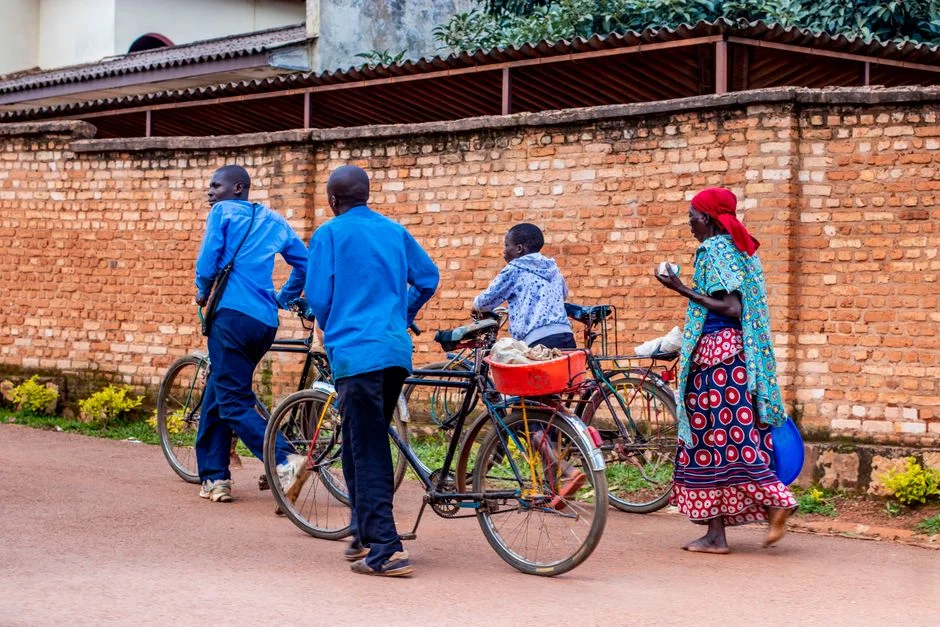
Thousands of Zimbabwean nationals are making the journey back home from South Africa this week after Harare deployed buses to Johannesburg and Cape Town, a mass repatriation effort that economists say exposes the growing fragility of cross-border migration as a survival strategy for southern Africa's working poor.
Government Flights and Buses Deployed
The Zimbabwean government confirmed it has dispatched multiple buses to South Africa's two largest economic hubs, with additional support coordinated through the Ministry of Foreign Affairs. New Zimbabwe, a Harare-based publication, reported that officials at the Zimbabwean embassy in Pretoria have been processing hundreds of repatriation requests weekly, a pace that has accelerated sharply over the past three months.

The operation spans two cities: Johannesburg, South Africa's financial centre and home to the largest concentration of Zimbabwean migrants, and Cape Town, where seasonal workers and asylum seekers have settled in growing numbers since the early 2000s. The government has not disclosed the total number of citizens transported so far, but local media estimates suggest the figure runs into thousands.
Economic Pressures Driving the Exodus
South Africa's unemployment rate, which has hovered above 30 percent for years, has created fierce competition for formal jobs among both South African nationals and foreign workers. Zimbabweans, many of whom entered on temporary permits or overstayed tourist visas, have found themselves disproportionately vulnerable to sweeping labour crackdowns targeting undocumented migrants.
For businesses in Gauteng and Western Cape provinces, the outflow raises immediate questions about labour supply in sectors that have relied heavily on Zimbabwean workers: construction, domestic work, agriculture, and informal trading. Employers in Johannesburg's manufacturing belt, where an estimated one in ten manual workers holds Zimbabwean documentation of some kind, are already reporting recruitment difficulties in seasonal cycles.
What This Means for South Africa's Economy


The departure of thousands of Zimbabwean workers carries measurable consequences for South African businesses that depend on migrant labour. Remittances flowing into Zimbabwe from South Africa, which have historically ranked among the largest sources of foreign currency for the country, will also diminish, squeezing household incomes back home while simultaneously reducing consumer spending in South African township economies.
Research from the South African Reserve Bank has documented how cross-border informal trade between the two countries supports retail markets on both sides of the border. A sustained reduction in Zimbabwean purchasing power in Johannesburg and Cape Town affects wholesale suppliers, transport operators, and landlords in areas where migrant communities cluster.
Labour Market Ripples
Business groups in the construction sector have warned that labour shortages could delay infrastructure projects in Gauteng, a province already grappling with power supply constraints and municipal backlogs. Agriculture in the Western Cape, particularly the fruit and wine industries that depend on seasonal harvesting crews, faces similar pressures during peak export months.
Zimbabwe's Economic Reckoning
For Harare, the repatriation programme creates a fresh fiscal headache. Returning citizens arrive with limited savings and few employment prospects in an economy where formal job creation has failed to keep pace with population growth. The International Monetary Fund has repeatedly flagged Zimbabwe's constrained public spending capacity, and a sudden influx of returning nationals will pressure social services, housing, and healthcare systems that are already stretched thin.
The Zimbabwean dollar, which has struggled with volatility despite official attempts at currency stabilisation, faces renewed pressure if the remittance pipeline from South Africa weakens significantly. Hard currency inflows that previously supported import coverage will thin just as demand for basic goods is set to rise.
Regional Migration Patterns Under Strain
The bus deployment fits a broader pattern across southern Africa, where economic stagnation, climate shocks, and political instability have reshaped migration corridors that once flowed predictably between nations. Mozambique, Zambia, and Malawi have all seen shifts in outbound migration patterns over the past five years as South Africa's own economic growth has moderated.
Regional economists note that Zimbabwe has historically served as both a sender and receiver of labour, with nationals moving to South Africa, Botswana, and Zambia in search of wages that domestic industries cannot match. The current repatriation therefore represents not just a bilateral dynamic but a signal about broader regional labour market pressures.
What Happens Next
Zimbabwean officials have indicated the repatriation effort will continue through the first quarter of the year, with additional bus runs planned from Pretoria and Durban. The government has called on returning citizens to register with local authorities to access reintegration support, though the scale of available assistance remains unclear given fiscal constraints.
Business leaders in South Africa will be watching employment data from Statistics South Africa closely over the coming months to assess whether labour shortages materialise in key sectors. For investors with exposure to Zimbabwe's neighbours, the episode offers a reminder that economic distress in one southern African country rarely stays contained within its borders. Supply chains, informal trade networks, and remittance flows create dependencies that can unravel quickly when migration patterns shift.
See Also
- Gopal Sharan Garg Accused of Siphoning Crores in India Scandal
- Wally Rhoode Faces New Scrutiny as IPID Unveils Parallel Police Probe