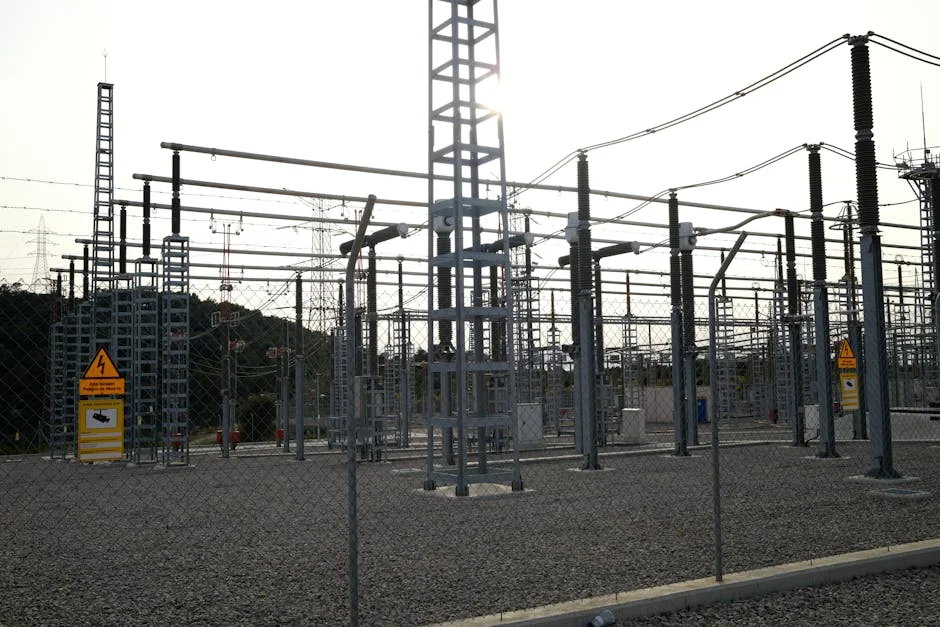
Severe flooding has devastated the Western Cape, sending shockwaves through South Africa’s economic stability and prompting urgent market reactions. While global attention focuses on heatwaves in the US and Mexico, local investors are scrambling to assess the financial damage inflicted by the deluge. The crisis exposes critical vulnerabilities in regional infrastructure and supply chains, forcing businesses to recalibrate their short-term strategies.
Immediate Economic Disruption in the Western Cape
The Western Cape, a vital economic engine for South Africa, faces immediate operational paralysis due to the floods. Key transport arteries, including the N1 and N2 highways, have seen intermittent closures, disrupting the flow of goods from the Cape Town port to the rest of the country. This logistical bottleneck directly impacts importers and exporters who rely on just-in-time delivery models to maintain profitability.
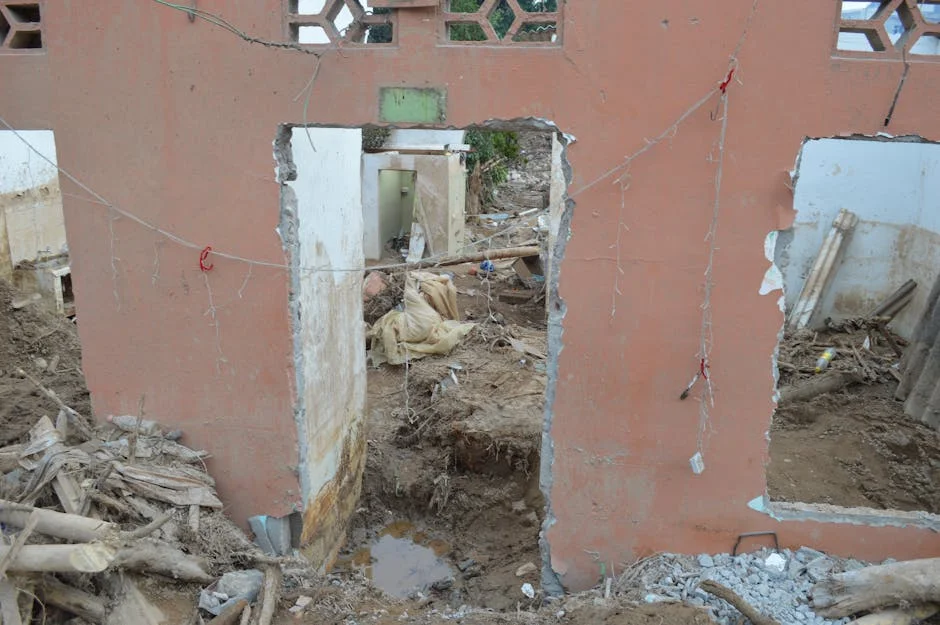
Local businesses, particularly in the hospitality and retail sectors, report significant revenue drops as foot traffic dwindles and supply lines fracture. The tourism industry, which is crucial for the region's GDP, is already feeling the pinch with hotels and restaurants operating at reduced capacities. Investors monitoring the region are closely watching the resilience of small and medium enterprises (SMEs) that form the backbone of the local economy.
Supply Chain Vulnerabilities Exposed
The floods have highlighted the fragility of South Africa’s supply chain infrastructure, particularly in coastal regions. Ports and warehouses in the Western Cape are dealing with waterlogged goods, leading to potential write-offs and delayed shipments. This disruption is not isolated; it ripples through the national economy as manufacturers in Gauteng and KwaZulu-Nature face raw material shortages.
Companies operating in the region are now forced to diversify their logistics strategies to mitigate future risks. The economic data emerging from the Western Cape suggests that without swift intervention, the regional GDP could see a noticeable contraction in the upcoming quarter. This contraction would inevitably affect national economic growth figures, influencing investor sentiment across the Johannesburg Stock Exchange (JSE).
Market Reactions and Investor Sentiment
Financial markets have reacted swiftly to the news of the floods, with sector-specific stocks experiencing volatility. Insurance companies, a major player on the JSE, are under pressure as claims surge, potentially impacting their quarterly earnings. Investors are analyzing the exposure of major insurers to the Western Cape region, adjusting their portfolios to account for the increased risk premium.
The banking sector is also on alert, particularly regarding loan defaults in flood-affected areas. Small business loans and mortgages in the Western Cape may see higher delinquency rates, affecting the non-performing loan (NPL) ratios of major banks. This financial strain could lead to tighter credit conditions, further slowing economic activity in the region. Market analysts are advising investors to monitor these financial indicators closely for signs of broader economic stress.
Foreign direct investment (FDI) flows into South Africa may also be influenced by the crisis. International investors often view infrastructure resilience as a key metric for long-term investment decisions. The floods serve as a stark reminder of the physical risks associated with investing in South Africa, potentially leading to a more cautious approach from global capital markets. This caution could impact the valuation of South African assets, particularly in the real estate and infrastructure sectors.
Impact on Key Economic Sectors

The agricultural sector in the Western Cape, known for its wine and fruit production, faces significant threats from the floods. Waterlogging can damage crops and soil quality, leading to reduced yields and higher production costs. This could result in price increases for local consumers and reduced export volumes, affecting the trade balance. The wine industry, a major export earner, is particularly vulnerable to climate-related disruptions.
The energy sector is also under scrutiny, with the Department of Mineral Resources and Energy assessing the impact on power infrastructure. Floods can damage power lines and substations, leading to localized outages that affect business operations. The resilience of the national grid is tested, and any prolonged power disruptions could have cascading effects on manufacturing and services sectors. Investors in renewable energy projects are also evaluating the risks associated with climate variability.
Agricultural and Export Concerns
Agricultural outputs are critical for South Africa’s export revenue, and the Western Cape is a powerhouse in this regard. The floods threaten to reduce the volume of high-value crops such as table grapes, apples, and wine. This reduction in supply could lead to price volatility in international markets, affecting the competitiveness of South African agricultural products. The Department of Agriculture, Land Reform and Rural Development is monitoring the situation to provide support to affected farmers.
The potential for reduced exports has implications for the national current account balance. A decline in agricultural exports could widen the trade deficit, putting pressure on the South African Rand. Currency fluctuations can have far-reaching effects on inflation and consumer purchasing power, making this a key area of focus for monetary policymakers. The South African Reserve Bank will likely monitor these developments closely when setting interest rates.
Government Response and Fiscal Implications
The South African government has announced emergency measures to address the crisis, including fiscal support for affected businesses and infrastructure repairs. The National Treasury is evaluating the cost of the disaster, which could impact the national budget deficit. Increased spending on relief efforts and reconstruction may require adjustments to fiscal policy, potentially affecting government borrowing needs.
Policy makers are also considering long-term infrastructure investments to enhance climate resilience. This includes upgrading drainage systems, reinforcing roads, and improving flood defenses in vulnerable areas. Such investments could stimulate economic activity in the construction sector, providing a short-term boost to employment and growth. However, the fiscal cost of these measures must be balanced against other national priorities, such as healthcare and education.
The effectiveness of the government’s response will be a key factor in restoring investor confidence. Swift and transparent communication, along with concrete action plans, can help stabilize markets and encourage continued investment. The government’s ability to manage the crisis will also influence the country’s credit rating, which is a critical determinant of borrowing costs for both the public and private sectors.
Long-Term Economic Consequences
The floods in the Western Cape serve as a case study for the broader economic impacts of climate change in South Africa. As extreme weather events become more frequent, businesses and investors must integrate climate risk into their strategic planning. This includes assessing the physical risks to assets, the transition risks associated with policy changes, and the liability risks from legal claims.
The economic data from this event will inform future policy decisions and investment strategies. Analysts are using the flood data to model potential economic scenarios, helping businesses prepare for similar disruptions. The insights gained from this crisis could lead to more robust economic planning and risk management practices across various sectors. This proactive approach is essential for maintaining economic stability in the face of climate uncertainty.
Furthermore, the crisis highlights the need for greater coordination between public and private sectors in disaster management. Public-private partnerships can leverage the strengths of both sectors to enhance resilience and accelerate recovery. Such collaborations can also attract international funding and expertise, supporting long-term economic development in the region. The Western Cape’s experience offers valuable lessons for other regions facing similar climate challenges.
What Investors Should Watch Next
Investors should closely monitor the release of quarterly earnings reports from companies with significant exposure to the Western Cape. These reports will provide detailed insights into the financial impact of the floods, including revenue losses, increased operational costs, and insurance claims. This data will be crucial for making informed investment decisions and adjusting portfolio allocations.
The South African Reserve Bank’s monetary policy decisions will also be influenced by the economic fallout from the floods. Any changes in interest rates or inflation targets will have immediate effects on the cost of borrowing and consumer spending. Investors should watch for signals from the central bank regarding its assessment of the economic impact and its strategic response to stabilize the economy.
In the coming months, the government’s infrastructure investment plans will be a key indicator of the region’s recovery trajectory. Announcements regarding funding allocations and project timelines will provide clarity on the pace of reconstruction and economic revitalization. Investors interested in the construction, materials, and logistics sectors should pay attention to these developments, as they present potential growth opportunities amidst the crisis. The resilience of the South African economy will be tested, and the response to this challenge will shape its future economic landscape.
See Also
- India Unveils 'Avataar': The First Amphibious Drone Mastering Air and Underwater Operations
- Gauteng's ANC Demands Leadership Change as Emfuleni Mayor Resigns