Senegal's parliament approved constitutional amendments on July 1, 2026, limiting presidential terms to two five-year mandates and stripping the presidency of emergency powers that had alarmed opposition groups and international observers. The vote, passed 112 to 67 in the National Assembly, follows months of protests in Dakar and represents the most sweeping restructuring of Senegalese governance in decades. President Bassirou Diomaye Faye, who campaigned on curbing executive overreach, signed the measures into law the same day.
Dakar's Constitutional Overhaul Reshapes West African Politics
The amendments mark a decisive break from Senegal's previous system, which allowed presidents to serve unlimited terms and declare states of emergency without parliamentary consent. Under the new framework, future presidents cannot extend their tenure through constitutional amendments and face mandatory audits of their asset declarations within 90 days of leaving office. Local media in Dakar reported that civil society groups welcomed the changes but demanded independent oversight of the transition process.
Regional analysts see the shift as a potential inflection point for West Africa, where several nations have struggled with executive overreach. Ghana and Côte d'Ivoire have faced similar debates over term limits in recent years. The Senegalese changes could embolden opposition movements across the region, particularly in countries where presidents have attempted constitutional extensions.
What the Constitutional Vote Signals for Investors
Financial markets in West Africa reacted cautiously to the news. Senegal's eurobond yields tightened by 15 basis points on July 1, according to data from the African Development Bank, suggesting investors view stronger institutions as a net positive for long-term fiscal discipline. However, short-term uncertainty remains elevated as businesses assess how power-sharing arrangements will affect regulatory decision-making in sectors like hydrocarbons and telecommunications.
The International Monetary Fund issued a statement noting that governance reforms often correlate with improved debt sustainability over five-to-seven-year horizons. The Washington-based institution declined to specify whether the Senegalese changes would affect the country's current loan programme. Businesses with operations in Senegal should monitor how the new auditing requirements will apply to state contracts and public-private partnerships signed under previous administrations.
Broader African Context: Contested Votes and Power Struggles
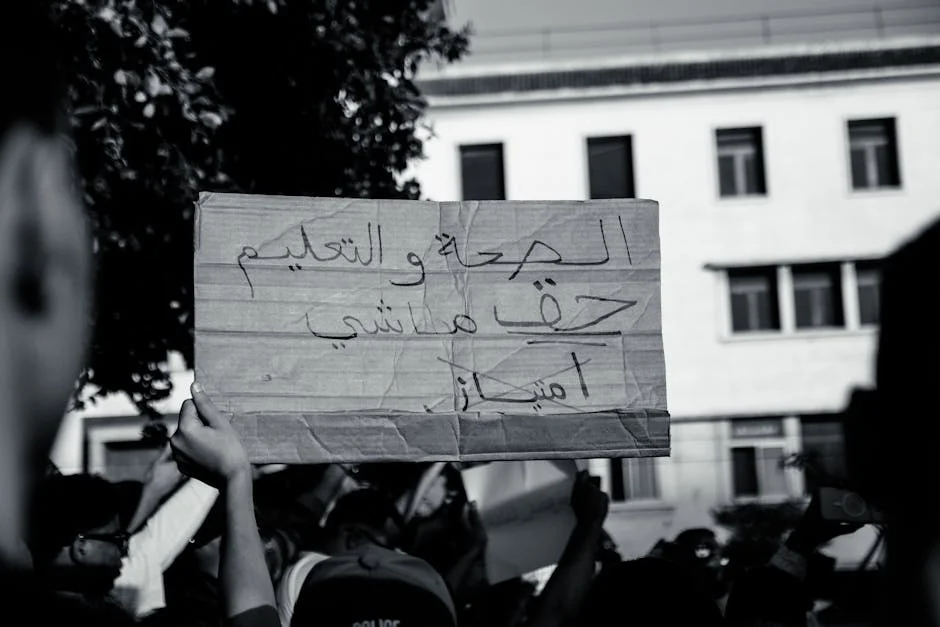
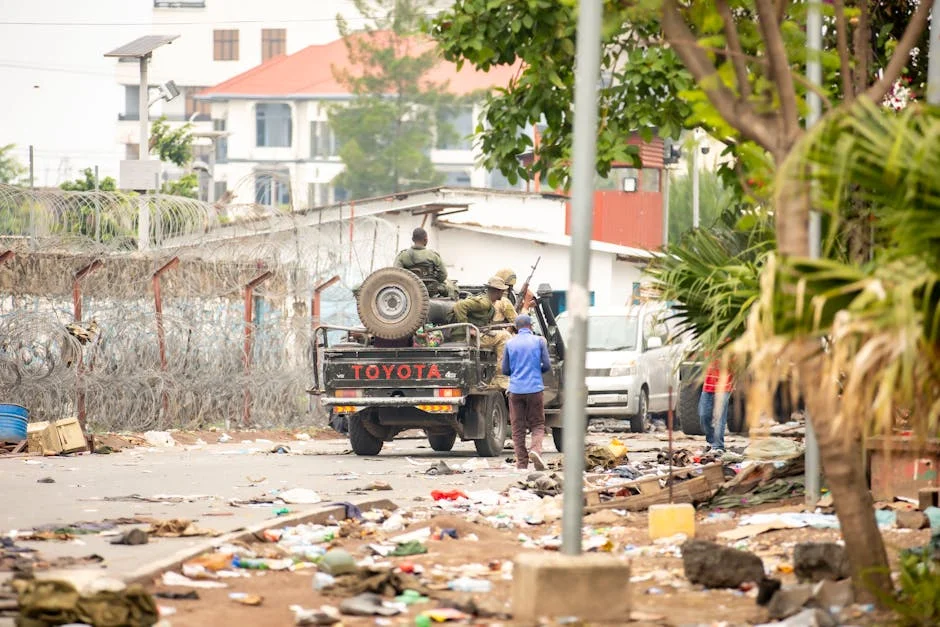
The Senegalese vote arrives amid heightened political tension across the continent. Election commissions in three East African nations reported disputed results in recent months, contributing to uncertainty among foreign investors weighing African exposure. The African Union's observer mission praised Senegal's process as a model for the region while acknowledging that implementation will prove decisive.
On the economic front, the African Development Bank's mid-year outlook downgraded growth projections for six countries, citing political instability and currency pressures. Commodity markets remain volatile, with cobalt and lithium prices fluctuating based on demand signals from Asian manufacturing hubs. South African businesses with African supply chains face particular exposure to logistical disruptions in transit corridors linking landlocked nations to coastal ports.
Currency and Trade Implications for Southern Africa
The rand strengthened against the CFA franc following the Senegal vote, reflecting improved sentiment toward African governance reforms broadly. South African exporters to West African markets should watch for potential shifts in bilateral trade agreements as new governments in Dakar pursue more nationalist economic policies. The South Africa–Senegal trade volume stood at approximately 8.2 billion rand annually before the political transition began, according to trade ministry data.
Investors in South African funds with West African exposure received mixed signals. Exchange-traded funds tracking African markets saw marginal inflows on July 1, but analysts at Johannesburg-based merchant banks cautioned against reading the vote as a regional trend. Each country's political trajectory depends on local factors, they noted, and Senegal's outcome may prove exceptional rather than representative.
Markets, Businesses and the Economy: Reading the July 2026 Signals
For businesses operating across Africa, the July 2026 developments carry concrete implications. Senegal's decision to limit presidential powers affects how future governments can unilaterally alter regulatory frameworks in banking, mining and energy sectors. Companies with long-term investments should factor stronger institutional checks into their risk assessments, particularly for projects requiring government guarantees.
The controversy surrounding disputed elections elsewhere reinforces the importance of political risk insurance and diversified market strategies. South African firms with concentrated exposure to single African markets face elevated vulnerability compared with competitors spreading operations across multiple jurisdictions. Economic data released by the African Development Bank shows that countries completing governance transitions within 18 months typically recover investor confidence faster than those experiencing prolonged uncertainty.
What Comes Next: Deadlines and Watch Points
The Senegalese constitutional changes include a 12-month implementation window, during which the National Assembly must pass enabling legislation for the audit mechanisms and term-limit enforcement. Presidential elections under the new rules are scheduled for 2027, and at least two potential candidates have already signalled intentions to contest the vote. International election monitors are expected to deploy advance teams by October 2026 to assess preparations.
For South African investors and businesses, the next 90 days present a critical assessment period. Watch for how Senegal's implementing legislation addresses foreign investment protections and whether the audit provisions create unexpected liabilities for companies holding state contracts. The outcome will test whether governance reforms translate into a more predictable business environment or merely reshuffle existing power dynamics.
See Also
- UK Stops Issuing Study Visas for Cameroon and Sudan: What It Means for Africa
- Ramaphosa Files Court Papers to Challenge Phala Phala Report
Exchange-traded funds tracking African markets saw marginal inflows on July 1, but analysts at Johannesburg-based merchant banks cautioned against reading the vote as a regional trend. South African businesses with African supply chains face particular exposure to logistical disruptions in transit corridors linking landlocked nations to coastal ports.Currency and Trade Implications for Southern AfricaThe rand strengthened against the CFA franc following the Senegal vote, reflecting improved sentiment toward African governance reforms broadly.