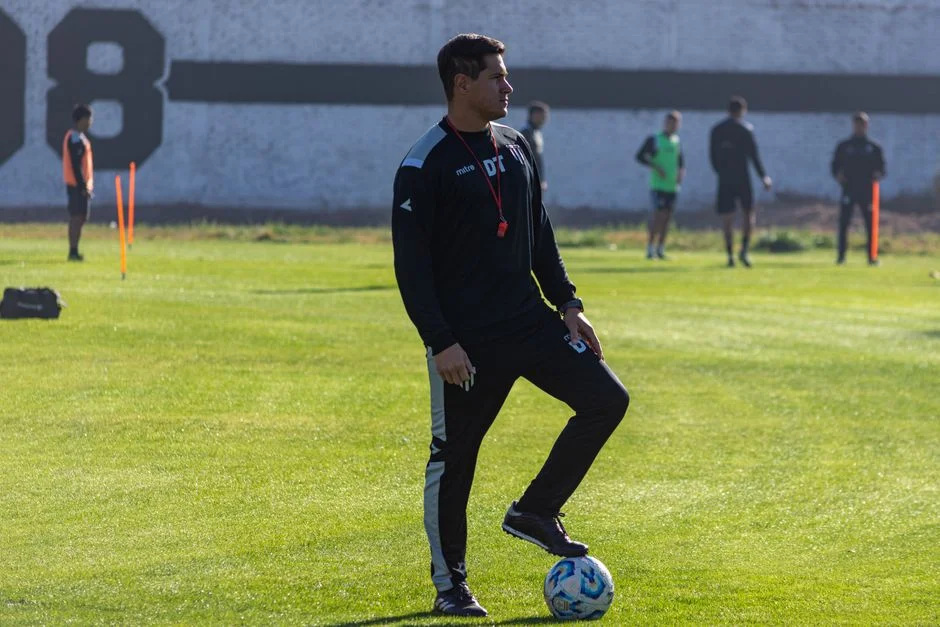
In a cultural twist that blends the spiritual with the sporting, Ghana's infamous 'juju man' has captured the global spotlight for his role in the country's World Cup aspirations. This phenomenon, which might raise eyebrows in the West, is deeply rooted in African traditions where belief in spiritual rituals is interwoven with daily life, including the high-stakes arena of sports.
Ghana's reliance on a 'juju man' to potentially influence the outcomes of World Cup matches has not only stirred debate but also highlighted the intricate connection between spiritual practices and soccer across Africa. This practice, often viewed as an integral part of the game, offers a fascinating lens into how cultural beliefs impact economic activities related to sports, including betting markets, merchandise sales, and tourism.
Ghana's Spiritual Approach to Soccer Success
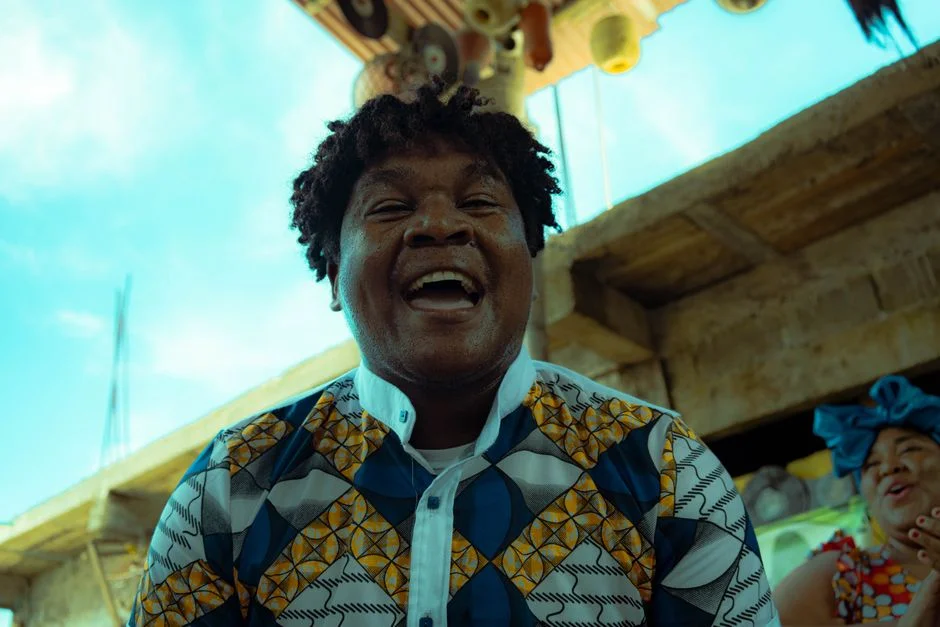
The notion of a 'juju man' influencing soccer outcomes may seem unusual to some, but in Ghana, it is a reflection of a broader societal belief system. The 'juju man' employs spiritual practices purportedly to enhance the team's chances, drawing upon traditional African belief systems that ascribe supernatural influence to the physical world.
This intersection of spirituality and soccer is not unique to Ghana. Across Africa, from Nigeria to South Africa, many teams and fans embrace these rituals, believing they can alter outcomes. The belief is that these practices can imbue teams with strength or curse their opponents with bad luck. Sport in Africa is often seen not just as physical competition but as an occasion where the metaphysical has a role to play.
This belief system can shape how teams prepare for major competitions like the World Cup. From the use of charms to spiritually infused pre-match rituals, the quest for victory often extends beyond tactical and technical preparation. While empirical evidence of its effectiveness is debated, the influence on team morale and the psychological edge it provides cannot be understated.
The economic implications of such beliefs are manifold. This cultural dimension can significantly influence betting patterns, as belief in spiritual intervention might sway odds and affect where money is wagered. Moreover, businesses that can align with these cultural nuances—such as those selling team merchandise or hosting viewing events—might see increased consumer engagement.
Economic and Market Impact in Africa
The presence of a 'juju man' at the forefront of Ghana’s World Cup strategy shines a light on the broader economic narrative in Africa, where sports are a burgeoning industry. Sports, particularly soccer, is more than entertainment; it is an economic driver, creating jobs, generating tourism, and boosting investments.
The intersection of spirituality and soccer can stimulate local economies in indirect ways. For instance, tourism can see a boost as global interest piques in the cultural practices of African nations. Events that draw international attention often result in increased travel to host countries, benefitting hotels, restaurants, and local attractions. Furthermore, merchandise that taps into this cultural narrative can see heightened sales as fans seek to connect with the team’s spiritual journey.
Sports betting also stands as one of the biggest economic sectors influenced by these practices. In regions where belief in spiritual intervention is strong, betting markets may experience volatility as odds fluctuate based on perceived spiritual influences. This creates unique challenges and opportunities for businesses involved in sports betting and related industries, requiring a nuanced understanding of cultural contexts to predict market behavior effectively.
Investors looking to enter Africa's sports market need to consider these cultural practices as part of their strategic planning. Understanding the cultural and spiritual backdrop can provide insight into consumer behavior, helping to align marketing strategies with local traditions. Additionally, partnerships with local businesses that understand these cultural dynamics can offer a competitive edge in this rapidly expanding market.
Future Prospects and Cultural Considerations
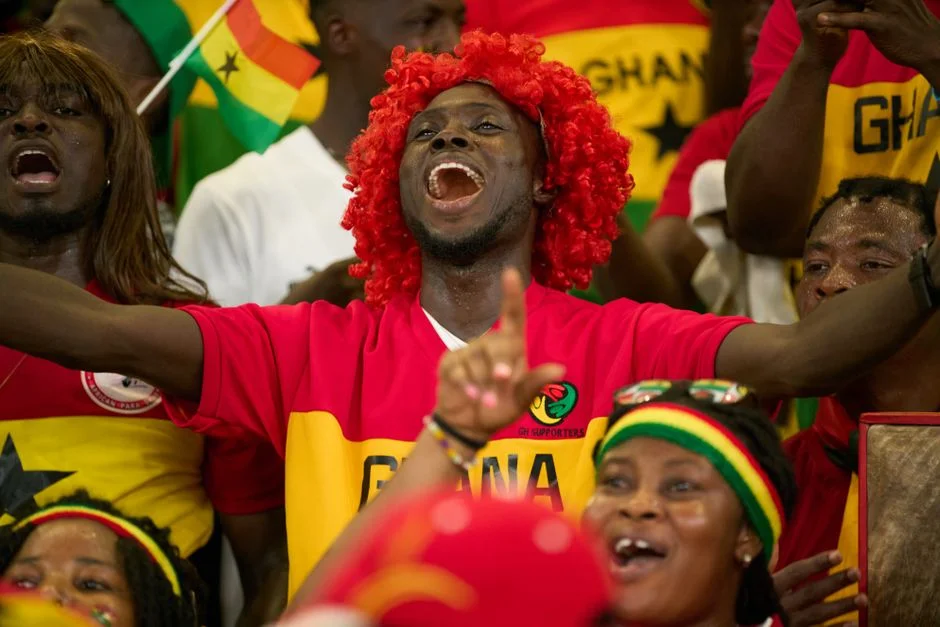
As Ghana and other African nations continue to embrace spiritual practices in sports, businesses and investors will need to navigate these cultural nuances with sensitivity and strategic foresight. This cultural context is not just a backdrop but a dynamic part of the economic environment.
Looking forward, the uptake of African teams in international competitions will likely see increased attention to these cultural practices. For stakeholders, from sports federations to international marketers, this represents an opportunity to engage with audiences in a way that resonates on a personal and cultural level.
Furthermore, the integration of traditional beliefs with modern sports presents a unique branding opportunity. Companies that manage to authentically incorporate these cultural narratives into their branding can gain not only market share but also consumer loyalty. This is especially pertinent in the tech-driven world of digital marketing, where storytelling and cultural connection are paramount.
As we move towards future World Cup events, stakeholders should pay attention to how these cultural practices evolve and their impact on market dynamics. Whether it is through sponsorships, merchandise deals, or new partnerships, the blend of spirituality and sports in Africa offers a rich tapestry of opportunities and challenges.
In conclusion, the story of Ghana's 'juju man' is more than a curious footnote in World Cup history; it is a powerful reminder of how deeply culture and economy are intertwined. As businesses and investors explore opportunities in Africa, understanding these cultural dimensions will be key to unlocking the full potential of the continent's burgeoning sports industry.
Local Perspectives and Global Reactions
Within Ghana and broader African communities, the role of the 'juju man' in soccer is often seen as an extension of traditional values and beliefs. These practices are deeply ingrained, not just in sports but in various aspects of life, from agriculture to politics. In many communities, spiritual leaders hold a revered position, offering guidance and support that transcends mere superstition or folklore. For many Ghanaians, the involvement of a 'juju man' represents a connection to their heritage and history, offering a sense of identity and continuity amidst the rapidly changing landscape of global sports.
However, outside Africa, especially in Western countries, reactions are mixed. Some view these practices with skepticism, perceiving them as outdated or incompatible with the modern, data-driven approaches to sports management. Critics often argue that reliance on spiritual practices can detract from the focus on skill development, strategy, and scientific training methods that are increasingly defining competitive sports. On the other hand, there is a growing recognition of the intangible benefits that such beliefs bring, particularly in terms of team cohesion and morale. The psychological boost a team might gain from feeling spiritually protected or favored can be a significant factor in high-pressure situations like the World Cup.
Global sports organizations, including FIFA, have taken a cautious interest in these cultural practices, acknowledging the importance of respecting cultural diversity while ensuring that all teams compete on a level playing field. This balance between cultural respect and fair competition is delicate and requires continuous dialogue between local traditions and international sporting norms.
For international fans and sponsors, the cultural practices surrounding African soccer provide an intriguing dimension to the sport. It invites a broader audience to engage with the World Cup, not just as a series of matches but as a cultural event that reflects the diversity and richness of the participating nations. This can lead to increased viewership and sponsorships, as brands seek to associate themselves with the vibrant and unique stories emerging from the tournament.
Implications for Sports Development and Infrastructure
As Ghana and other African nations continue to integrate spiritual practices into their sports culture, there are implications for how sports development is approached on the continent. Investments in sports infrastructure, such as stadiums, training facilities, and grassroots programs, need to consider the cultural contexts in which they operate. This means not just building physical structures but creating environments that respect and incorporate local traditions.
Government and private entities investing in sports in Africa are increasingly recognizing the need to support initiatives that blend traditional practices with modern sports science. This can include training programs for coaches that incorporate cultural sensitivity, as well as community outreach efforts that engage local populations in meaningful ways. By doing so, they can build a more inclusive sports ecosystem that respects local traditions while promoting excellence and competitiveness.
Moreover, the potential for job creation in sectors related to sports is significant. From sports management to media and hospitality, the broader sports industry can be a major driver of economic growth. By tapping into the cultural elements of sports, businesses can create new opportunities for employment and entrepreneurship, helping to stimulate local economies.
Looking Ahead: Opportunities and Challenges
As the global spotlight continues to focus on African sports, the opportunities for growth and development are immense. However, this comes with challenges that need to be carefully navigated. Ensuring that the integration of cultural practices does not lead to exploitation or misrepresentation is crucial. Stakeholders must engage with local communities to understand their practices and support them in ways that are respectful and beneficial.
Future prospects for African teams on the international stage will likely be influenced by their ability to harmonize traditional practices with the demands of modern sports. This means fostering an environment where cultural beliefs are not sidelined but celebrated and understood as part of a broader strategy for success.
For businesses and investors, the key will be to approach the African sports market with an open mind and a willingness to learn. By embracing the unique cultural narratives that define African soccer, they can unlock new opportunities and build lasting relationships with local communities. As the world becomes increasingly interconnected, the ability to appreciate and integrate diverse cultural perspectives will be a defining factor in the success of international sports ventures.
Ultimately, the story of Ghana's 'juju man' is not just about soccer. It is a reflection of the intricate interplay between culture, economy, and identity in a rapidly globalizing world. As we look to the future, understanding and respecting these dynamics will be essential for anyone seeking to engage with the dynamic and diverse world of African sports.
See Also
- South Africans Favour Smaller Homes Amid Rising Living Costs
- Italy Forces May Bill Payments — and Businesses Are Paying the Price