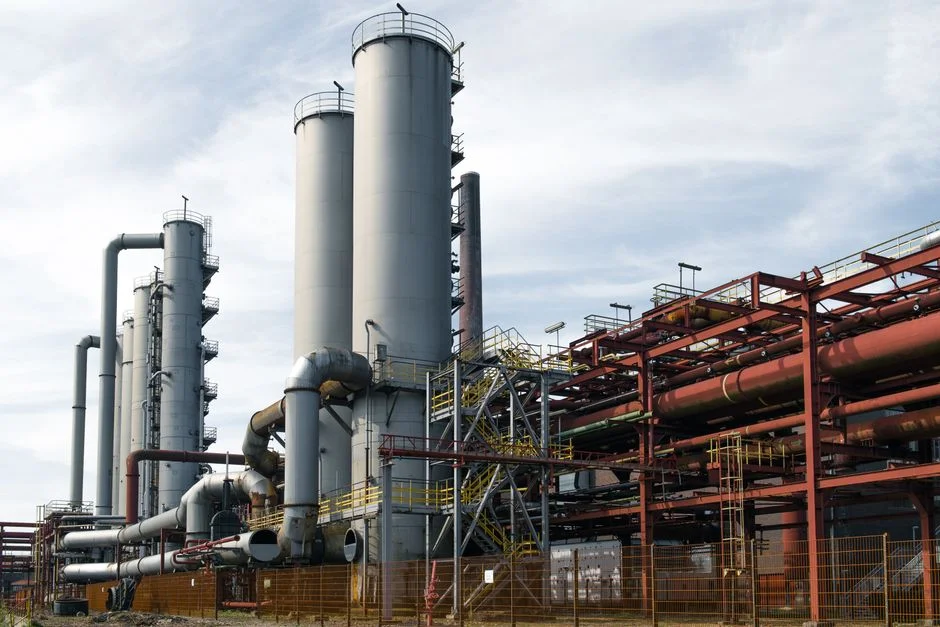
Nigerian motorists are still filling up at prices above N1,000 per litre despite global crude benchmarks sliding back to levels last seen before the Russia-Ukraine conflict erupted. The contradiction has ignited fresh scrutiny of the pricing mechanisms between international commodity markets and the local pump price, leaving businesses and consumers wrestling with costs that lag far behind global trends.
Global Crude Retreats to Pre-Conflict Levels
Brent crude has retreated sharply in recent weeks, falling below $75 per barrel and returning to territory not witnessed since late 2021. The easing reflects softer demand from major economies, steady output from OPEC+ producers, and easing geopolitical premiums that had propelled prices skyward following the February 2022 invasion of Ukraine. For most import-dependent nations, the correction should translate into cheaper fuel at the pump within weeks. Nigeria, however, presents a more complicated picture.

The West African giant imports the bulk of its refined petroleum products despite being Africa's largest crude producer. The Dangote Oil Refinery, positioned in Lagos as the continent's largest single refinery with capacity exceeding 650,000 barrels per day, was heralded as a game-changer for Nigeria's fuel import dependency when it came online in 2024.
Dangote Refinery's Price Moves
The Dangote Petroleum Refinery has adjusted its ex-depot petrol prices in response to shifting international benchmarks, industry sources indicate. The refinery, controlled by Africa's richest man Aliko Dangote, supplies a meaningful portion of Nigeria's domestic fuel needs and has sought to position itself as a stabilising force in an market long haunted by supply bottlenecks and subsidy disputes.
Despite these adjustments, retail pump prices across Nigeria's major cities have remained stubbornly elevated. Filling stations in Lagos, Abuja, and Port Harcourt continue to display prices comfortably above the N1,000 threshold per litre, a level that has become a flashpoint for public frustration and political debate.
Exchange Rate Pressures Offset Gains
Economists point to a confluence of domestic factors that are blunting the impact of cheaper crude. The Nigerian naira has faced sustained depreciation against the dollar, meaning that even as oil becomes cheaper in dollar terms, the cost of importing refined products or purchasing raw materials for domestic refining remains elevated in local currency terms. Nigeria's central bank has struggled to fully reconcile its multiple exchange rate windows, creating arbitrage opportunities that filter through to final product pricing.
Logistics costs within Nigeria's fragmented distribution network also add layers to the final pump price. Transporting fuel from refineries and depot terminals to retail outlets across a country of over 200 million people involves costs that international benchmarks simply do not capture.
Business and Consumer Impact

The persistent pricing disconnect is squeezing Nigerian households and businesses alike. For ordinary consumers already contending with double-digit inflation, every naira saved at the pump translates directly into purchasing power for food and essentials. Transport operators, whose margins depend directly on fuel costs, have been unable to pass on savings to commuters, leaving them caught between soaring input costs and price-sensitive customers unwilling or unable to pay more.
Small and medium enterprises that rely on diesel generators for power face a parallel dynamic. While global gas and coal prices have moderated, domestic diesel pricing follows a similar trajectory to petrol, keeping operating costs elevated. The manufacturing sector has repeatedly flagged energy expenses as a competitive disadvantage against imports from countries with cheaper power.
Regulatory and Policy Questions
The Nigerian government has oscillated between subsidy removal and reintroduction over the past two years, creating uncertainty that market participants say discourages long-term investment in refining capacity. The current pricing framework allows for automatic adjustments tied to international prices, but implementation lags and administrative bottlenecks mean actual pump prices move with a delay that can stretch from weeks to months.
Regulatory authorities have defended the current system, arguing that complete pass-through of global price declines would expose the naira to further pressure and complicate the central bank's inflation management objectives. Critics counter that consumers are bearing the cost of policy inertia.
What Market Participants Are Watching
Industry observers are tracking several developments that could reshape the pricing picture in the months ahead. The Dangote Refinery's ramp-up to full operational capacity will be a key variable — fuller utilisation could lower per-unit costs and increase competitive pressure on imports. Separately, any moves by the central bank to streamline its exchange rate architecture could reduce the currency premium embedded in imported fuel costs.
Global crude demand signals from China and India will also influence whether the current downward trend in oil prices has further to run. Should Brent crude sustain levels around $70-75 per barrel through the second quarter, the pressure on Nigeria's pricing authorities to deliver meaningful pump price relief will intensify considerably. For now, motorists in Lagos and across Nigeria continue to pay prices that seem out of step with the global market they are theoretically tethered to.
See Also
- Qualcomm Reveals AI Chipset: How It Could Transform Wearables in Africa
- Kibale Chimpanzees Wage Civil War — and Investors Take Notice
The Dangote Refinery's ramp-up to full operational capacity will be a key variable — fuller utilisation could lower per-unit costs and increase competitive pressure on imports. Separately, any moves by the central bank to streamline its exchange rate architecture could reduce the currency premium embedded in imported fuel costs.Global crude demand signals from China and India will also influence whether the current downward trend in oil prices has further to run.
What is the latest news about oil prices collapse to prewar lows nigerias fuel bills still refuse to drop?
Why does this matter for politics-governance?
What are the key facts about oil prices collapse to prewar lows nigerias fuel bills still refuse to drop?