Nigeria's broadband penetration stands at 55.67%, revealing a shortfall from the 70% target set by the Nigerian National Broadband Plan 2020-2025. With the plan's deadline of December 2025 only seven months away, the nation faces significant challenges in reaching this critical goal.
Current Status and Key Players
The Nigerian Communications Commission (NCC) has been at the forefront of implementing the National Broadband Plan. Despite their efforts, current penetration levels remain substantially below the target, posing questions about the feasibility of meeting the deadline. The NCC has attributed the gap to infrastructural deficits and policy challenges that have hindered progress.
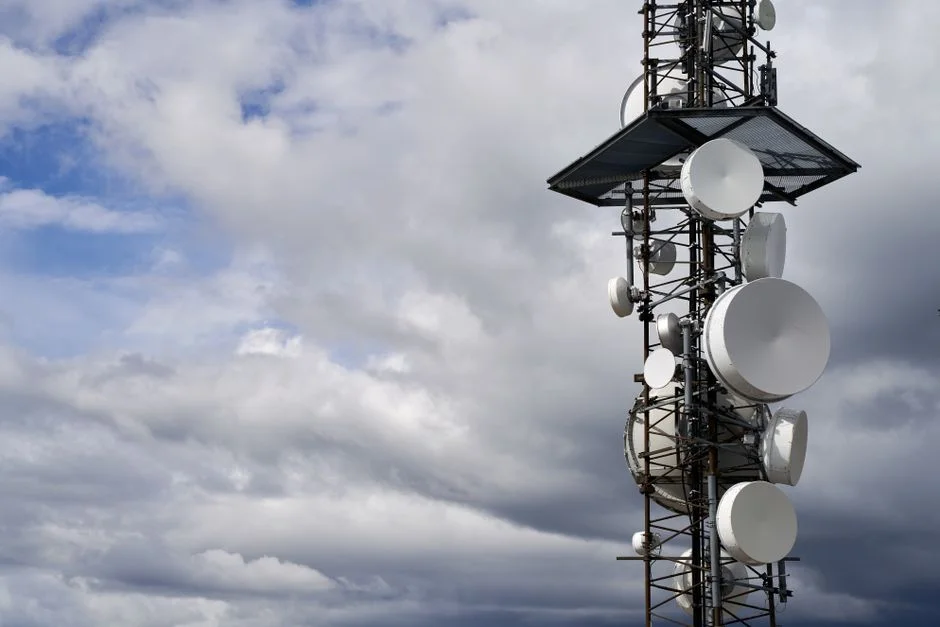
Telecommunications companies operating in Nigeria have been encouraged to expand broadband infrastructure, yet they also face hurdles such as high operational costs and regulatory hurdles. The financial implications for these companies are immense, as they must balance investments in infrastructure with maintaining profitability in a competitive market environment.
The Nigerian government has emphasized that achieving the broadband target is crucial for the nation’s economic growth. Improved internet connectivity is expected to stimulate various sectors, including fintech, education, and e-commerce, providing a much-needed boost to the economy. However, the current pace of development threatens to stall these benefits, potentially impacting investor confidence.
Emma Okonji, a technology journalist, has highlighted the importance of addressing these challenges swiftly. Her analysis suggests that without accelerated efforts, Nigeria might miss out on the economic advantages that come with robust broadband infrastructure.
Background and Strategic Importance
Launched in 2020, the Nigerian National Broadband Plan was developed to advance digital connectivity across the nation. The plan aims to deliver broadband access to rural and underserved areas, bolster economic activities, and position Nigeria as a leading digital economy in Africa. The strategy was informed by global trends and the acknowledged need for extensive internet access in driving modern economies.
South Africa, for instance, has made significant strides in broadband penetration, serving as a potential model for Nigeria. The South African experience demonstrates that well-implemented broadband plans can lead to substantial economic growth and job creation. However, Nigeria’s path is complicated by its unique challenges such as a larger population and greater rural expanse.
The World Bank has stressed the potential gains for Nigeria if the broadband targets are achieved, estimating that a 10% increase in broadband penetration could lead to a similar increase in GDP growth. For investors, reaching the 70% target would signal a more robust digital landscape, potentially sparking further investment in technology-driven sectors.
On the other hand, failure to meet the broadband goals could prevent Nigeria from achieving its status as a digital leader on the continent. This could result in missed opportunities for economic diversification and leave the nation trailing behind its peers in technological advancement.
Broader Economic Implications


The economic implications of Nigeria missing its broadband target are far-reaching. A robust digital infrastructure is critical for fostering innovation and supporting the digitalization of traditional industries. Without it, sectors like agriculture, manufacturing, and services might lag in adopting technology that could enhance productivity and competitiveness.
Businesses reliant on digital platforms for operations and customer engagement face increased operational costs due to inadequate broadband services. This can translate into higher expenses and reduced margins, potentially leading some companies to relocate to regions with better infrastructure.
For investors, the current broadband penetration rate may deter investment in tech startups and digital enterprises. The perception of inadequate digital infrastructure can pose a risk factor, reducing Nigeria’s attractiveness to foreign direct investors looking for vibrant technology markets.
Looking forward, stakeholders in Nigeria’s broadband sector emphasize the need for strategic partnerships and government incentives to catalyse development. Policymakers are urged to address regulatory bottlenecks and provide financial support to telecom operators to enhance infrastructure expansion.
As the December deadline approaches, the focus will be on policy adjustments and investments that can provide a last-minute push towards achieving the 70% broadband penetration target. The coming months will be pivotal in determining whether Nigeria can catch up and secure its position in the digital frontier.
Watch for updates from the Nigerian Communications Commission and telecommunications sectors as they announce new initiatives and partnerships aimed at accelerating broadband expansion. The next quarters will be critical in assessing whether Nigeria can overcome current barriers and reach the desired digital connectivity threshold in time.
Challenges in Rural Connectivity
The disparity between urban and rural broadband access remains one of the most significant barriers to achieving Nigeria's broadband goals. While cities like Lagos and Abuja enjoy relatively high-speed internet, rural areas continue to struggle with limited connectivity. This digital divide is not merely a technological challenge but also a socio-economic one, as rural communities are often left behind in digital literacy and economic opportunities.
The cost of deploying infrastructure in these remote areas is prohibitively high, with geographical challenges such as difficult terrain and sparse populations making it less economically viable for telecommunications companies. The lack of electricity in many rural areas further compounds the issue, as consistent power supply is essential for operating broadband equipment.
To tackle these challenges, the Nigerian government, in collaboration with the NCC, has been exploring various strategies. Public-private partnerships (PPPs) are being considered as a viable solution to share the financial burden of infrastructure development. By incentivizing telecom companies with tax breaks or subsidies, the government hopes to make rural broadband expansion more appealing to the private sector.
Another approach that has been gaining traction is the use of alternative technologies like satellite broadband and TV white spaces. These technologies can bypass some of the physical and logistical challenges of traditional fiber optic cables, although they come with their own set of limitations and costs.
However, these solutions require significant initial investment and a coordinated effort between multiple stakeholders. Ensuring that these plans translate into action will be crucial for bridging the digital divide in Nigeria.
Competing Views on Policy and Regulation
Opinions are divided on the best regulatory approach to achieve the broadband target. Some industry experts argue that the current regulatory framework is too restrictive, hindering innovation and slowing down infrastructure development. They advocate for a more liberalized market that allows for greater competition, which could drive down costs and improve service quality.
On the other hand, some stakeholders believe that deregulation could lead to market instability and a lack of accountability. They argue that a more controlled regulatory environment is necessary to ensure that all players adhere to standards that protect consumers and ensure universal access.
The government's role in balancing these competing views is critical. It must provide a regulatory environment that encourages investment and innovation while also safeguarding consumer interests. Recent efforts to streamline regulatory processes and reduce bureaucratic red tape have been welcomed by many in the industry, but more needs to be done to create a truly enabling environment.
The NCC has been tasked with finding this balance, and its actions in the coming months will be closely watched by both industry insiders and international observers who are keen to see Nigeria's digital economy flourish.
Future Outlook and Strategic Initiatives
As the December 2025 deadline approaches, the focus will increasingly be on strategic initiatives that can accelerate broadband penetration. The government has expressed its commitment to revisiting and potentially revising the National Broadband Plan to address current shortfalls and incorporate lessons learned over the past few years.
Key initiatives under consideration include increased funding for broadband projects through international loans and grants, creating a more robust framework for PPPs, and enhancing digital literacy programs to ensure that once broadband is available, it is effectively utilized by the population.
Moreover, there is a push for more aggressive timeline targets for telecom operators, backed by penalties for non-compliance to ensure accountability. These measures aim to keep the momentum going and ensure that efforts to expand broadband reach are sustained and effective.
Looking forward, stakeholders and policymakers will need to monitor developments in the global broadband market, adapting successful strategies from other countries while tailoring them to Nigeria's unique landscape. Lessons from nations like South Africa, which has effectively increased its broadband penetration through strategic investments and policy reforms, could provide valuable insights.
For the Nigerian public and businesses, staying informed about these developments is crucial. As the landscape evolves, opportunities will arise for those ready to harness the potential of a more connected Nigeria. Whether it's through new business ventures, educational advancements, or enhanced social services, the benefits of reaching the broadband target are manifold and could redefine Nigeria's economic and technological trajectory.
Ultimately, achieving the 70% broadband penetration target is not just about meeting a numerical goal; it's about paving the way for a digital future that promises growth, inclusivity, and innovation. The coming months will be decisive in seeing whether Nigeria can rise to the challenge and set a precedent for digital transformation in Africa.
See Also
- South Africa Urges Public to Avoid Coastline as Avian Flu Spreads to Gulls
- South Africa Anti-Migrant Mobs Force Hundreds from Homes — Business Leaders Sound Alarm
The next quarters will be critical in assessing whether Nigeria can overcome current barriers and reach the desired digital connectivity threshold in time. Challenges in Rural ConnectivityThe disparity between urban and rural broadband access remains one of the most significant barriers to achieving Nigeria's broadband goals.
What is the latest news about nigerias broadband shortfall threatens economic growth?
Why does this matter for health-medicine?
What are the key facts about nigerias broadband shortfall threatens economic growth?