The way people move across Africa is changing fast. Migration routes that once flowed toward South Africa are now spreading in multiple directions, creating new pressures on regional labour markets, supply chains, and government budgets. That is the central finding of a new report released this week, which argues that African nations can no longer treat migration as South Africa's problem alone.
Migration Routes Are Diversifying
For decades, South Africa served as the dominant destination for internal African migrants seeking economic opportunities. Mines, cities, and farms in Gauteng and Western Cape provinces drew workers from Zimbabwe, Mozambique, Lesotho, and Botswana. That pattern is weakening. Workers are now moving east to Kenya and Tanzania, north to Ghana and Côte d'Ivoire, and west toward Nigeria's expanding service sector.
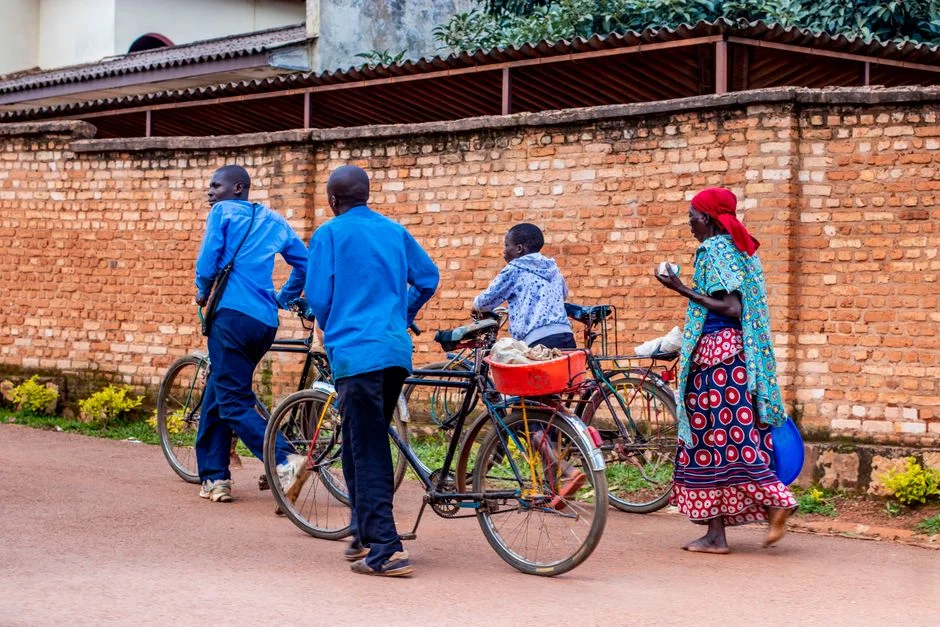
The report, produced by a coalition of African research institutes, tracked movement patterns across 14 countries between 2019 and 2024. It found that countries outside traditional corridors recorded a 23 percent rise in net inward migration during that period. Botswana, Namibia, and Rwanda each reported record inflows of foreign workers last year.
Economic restructuring is driving the shift. Mining operations in the Democratic Republic of Congo are expanding. East African ports are handling more cargo, creating demand for port workers and logistics staff. The report's authors argue that governments across the continent are failing to adjust their policies to this new reality.
Labour Markets Feel the Strain
When migration was concentrated, host countries could plan infrastructure, housing, and public services around predictable inflows. That is no longer the case. In Botswana, local employers in Francistown say they cannot fill skilled vacancies despite unemployment among young citizens. The mismatch points to a training gap rather than a simple shortage of jobs.
South Africa's construction sector is feeling the effects of this redistribution. Contractors in Johannesburg report longer hiring timelines for experienced tradespeople, as some migrant workers who once stayed permanently are now passing through on their way to higher-paying jobs in other regions. Wage inflation for artisans has followed.
Healthcare systems are also under pressure. Public hospitals in areas with high migrant concentrations in Cape Town and Durban have long struggled with demand. Now, similar pressures are appearing in Windhoek, Kigali, and Accra, where public health budgets were never designed to serve large mobile populations.
Businesses Face New Operating Costs


For companies operating across multiple African markets, unpredictable migration patterns create compliance headaches. Employment law varies sharply from country to country. In South Africa, the Immigration Act requires businesses to demonstrate that foreign hires have valid work permits. Namibia and Botswana have their own licensing regimes, and enforcement varies month to month.
Multinational firms with operations in regional hubs are reviewing their staffing strategies. A European retail chain with stores across Southern Africa told local business publications it had increased its legal budget by 18 percent over the past two years to handle cross-border employment disputes. Smaller domestic firms cannot absorb those costs as easily.
Remittance flows are shifting too. When workers from Malawi and Tanzania sent money home from South Africa, the corridors were well-established. Now, new corridors are emerging from unexpected locations, and banking correspondent networks have not caught up. Workers in Rwanda sometimes pay fees of up to 10 percent to move small amounts across borders, eating into the economic benefit of migration.
Government Revenue and Spending Pressures
Finance ministries in receiving countries face difficult trade-offs. Higher migration can boost economic output and tax revenue, but only if newcomers are formally employed and contributing to the tax base. In practice, informal work remains common. A significant portion of cross-border movement goes unrecorded, meaning governments collect less revenue while still facing additional demand for schools, roads, and social services.
Botswana's treasury officials have acknowledged this challenge publicly. In budget remarks delivered in Gaborone earlier this year, ministry staff noted that population growth from migration was outpacing projections used to set infrastructure spending. The gap between planned capacity and actual demand has widened to the point where road maintenance schedules have been pushed back by at least two years in some regions.
South Africa's position is shifting in unexpected ways. The country remains a major destination, but net inflows have slowed. Some economists argue this creates a paradox: South Africa loses some of the skilled workers it trained at public expense, while still absorbing lower-skilled arrivals who place demands on social spending. The net economic effect is difficult to measure precisely.
The Policy Gap Widens
The report calls for a coordinated African response, but policy harmonisation remains elusive. The African Continental Free Trade Area created a framework for free movement of goods, but labour mobility provisions are vague. Countries maintain tight control over who can work and for how long, even as economic integration deepens in other areas.
Kenya has introduced a new points-based system for work permits that prioritises skills in short supply. Ghana is piloting a digital registry for foreign workers in Accra. Both approaches have merit, but they are not designed to work together. A company relocating staff from Nairobi to Accra still faces separate visa applications, medical requirements, and tax registrations in each country.
The International Organisation for Migration has urged African governments to share data on population flows. Several countries have resisted, citing sovereignty concerns. Without reliable numbers, businesses cannot plan workforce strategies, and investors cannot accurately assess labour risks in different markets.
What Investors Should Watch
For institutional investors evaluating African markets, migration dynamics add a layer of complexity to country risk assessments. Infrastructure projects tied to population growth look more attractive in fast-growing corridors. Ports, railways, and urban housing in East Africa show stronger demand signals than five years ago. But political risk rises when migration strains social contracts.
Currency exposure matters here too. Countries managing large informal migrant populations often run informal currency flows that distort official balance of payments data. Mozambique and Zambia have both experienced periods where actual remittance inflows differ materially from reported figures, complicating IMF programme assessments.
The African Union has scheduled a ministerial meeting on migration governance for the third quarter of this year. That gathering, expected to take place in Addis Ababa, could produce framework agreements on mutual recognition of professional qualifications. Whether member states will ratify and implement any commitments is another question entirely.
Looking Ahead
The report makes clear that migration in Africa will not retreat to old patterns. Demographic pressures, climate impacts on rural livelihoods, and the growth of urban economies will keep people moving for decades. The question is whether policy frameworks can adapt quickly enough to capture the economic benefits while managing social friction.
Businesses operating across the continent should map their workforce needs against emerging migration corridors now. Investors should push for better data from countries where informal movement is significant. And governments that act first on coordinated labour mobility agreements will likely attract more foreign direct investment than those that wait for regional consensus.
The deadline for comments on Kenya's revised work permit framework closes in six weeks. Companies with East African operations should review the proposed changes before submitting responses to the Ministry of Interior in Nairobi.
See Also
- Nigeria's State Policing Push Tests Business and Investor Confidence
- Singapore Explores Geothermal Energy — Potential Market Impact on South Africa