Violent unrest targeting foreign nationals has erupted across several South African cities, sending shockwaves through the local economy and rattling investor confidence. The crisis, which has seen shops looted and supply chains disrupted, is forcing businesses to reassess their operational risks in the world’s most Africa-based stock market. This is not merely a social issue; it is an immediate economic shock that threatens quarterly earnings and long-term foreign direct investment.
Retail Sector Faces Immediate Revenue Shock
The retail industry stands on the front lines of this economic disruption. Major shopping malls in Johannesburg and Durban have reported significant footfall declines as commuters avoid areas with visible police presence and ongoing protests. This drop in consumer spending directly impacts the quarterly revenue projections for retail giants like Shoprite and Checkers, which rely heavily on consistent urban foot traffic. The immediate consequence is a potential contraction in the retail index on the Johannesburg Stock Exchange.
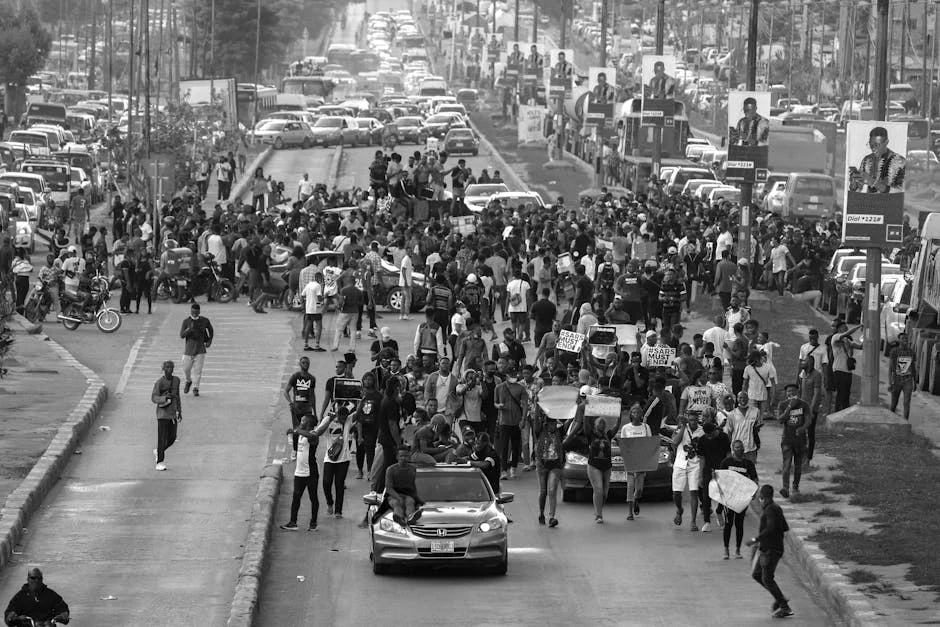
Small business owners are facing even starker realities. Many informal traders, particularly those of Nigerian and Zimbabwean origin, have been forced to close their stalls due to threats and physical damage to stock. This loss of inventory translates to immediate cash flow problems for micro-enterprises that operate with thin profit margins. The disruption extends beyond the shop floor, affecting the suppliers who deliver goods to these retail outlets.
Supply Chain Bottlenecks Emerge
Logistics companies operating in Gauteng and KwaZulu-Natal are experiencing severe bottlenecks. Truck drivers are avoiding key routes through areas like Alexandra and Diepsloot, leading to delivery delays for essential goods. These delays increase operational costs for businesses that must rely on air freight or expedited road transport to keep shelves stocked. The ripple effect is already visible in the wholesale prices of basic commodities, which are beginning to rise as supply tightens.
Investors are closely monitoring the logistics sector for signs of strain. Companies like Transnet and major private logistics firms are facing pressure to maintain service levels while managing increased insurance premiums and security costs. This added expense is likely to be passed on to consumers, further squeezing household budgets in an economy already grappling with high inflation. The efficiency of South Africa’s supply chain is a key metric for global investors evaluating the country’s competitiveness.
Foreign Direct Investment Under Scrutiny
The perception of stability is a critical factor for foreign direct investment (FDI). International investors view political and social stability as foundational to a healthy investment climate. The current wave of xenophobic violence challenges the narrative that South Africa is a stable gateway to the African continent. This perception shift can lead to delayed investment decisions or even the withdrawal of capital from key sectors like manufacturing and technology.
Recent data from the South African Reserve Bank indicates that portfolio investment flows are sensitive to such socio-political shocks. A negative sentiment can trigger capital outflows, putting downward pressure on the South African Rand. A weaker currency increases the cost of imports, which in turn fuels inflation. This creates a vicious cycle that can erode the purchasing power of South African consumers and reduce corporate profits.
Multinational corporations are reviewing their risk management strategies. Some are considering diversifying their regional hubs, potentially moving some operations to neighboring countries like Kenya or Morocco, which are currently enjoying more stable political environments. This potential shift in regional headquarters could have long-term implications for South Africa’s share of the African market. The business community is urging the government to demonstrate decisive action to restore confidence.
Labour Market Disruptions and Productivity Losses
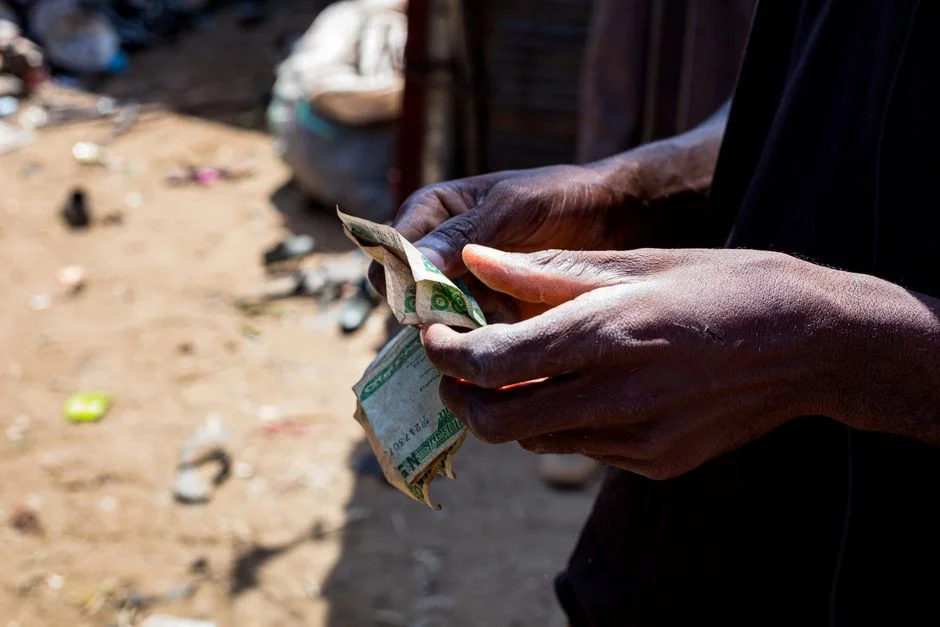
The xenophobic crisis has exposed the deep integration of foreign nationals into South Africa’s labour market. In sectors such as construction, hospitality, and cleaning services, foreign workers constitute a significant portion of the workforce. The uncertainty surrounding their status and safety has led to absenteeism and reduced productivity. Businesses are struggling to maintain output levels while navigating the social tensions.
Construction projects in major cities have slowed down as workers fear commuting through affected neighborhoods. This delay impacts the broader economy, as construction is a key driver of economic growth in South Africa. The sector contributes significantly to GDP, and any slowdown has a multiplier effect on related industries like steel, cement, and equipment rental. Investors in the construction sector are adjusting their earnings forecasts to account for these delays.
The hospitality industry, particularly in tourist-heavy areas like Cape Town and the Garden Route, is also feeling the pinch. While the violence has been concentrated in the north, the national perception of instability affects tourist arrivals. Hotels and restaurants are reporting cancellations and a more cautious spending pattern among domestic tourists. This sector is vital for employment, and any downturn has significant social and economic consequences.
Government Response and Fiscal Implications
The South African government faces the dual challenge of restoring order and managing the economic fallout. The Ministry of Finance is likely to face increased expenditure on security and social grants to support those most affected. This additional spending may put pressure on the national budget, potentially leading to further fiscal tightening or an increase in the fiscal deficit. Investors are watching the budget announcement for any signs of fiscal slippage.
Policies aimed at integrating foreign nationals into the formal economy could offer a long-term solution. Formalizing the status of foreign workers can improve tax revenues and reduce the vulnerability of both the workers and the businesses that employ them. However, political will is required to implement these policies effectively. The business community is calling for a pragmatic approach that balances social cohesion with economic necessity.
The Reserve Bank may also need to intervene to stabilize the currency and manage inflation expectations. If the Rand weakens significantly, the central bank might raise interest rates to attract foreign capital and cool down inflation. This move would increase the cost of borrowing for businesses and households, potentially slowing down economic growth. The monetary policy committee’s next meeting will be closely watched for any signals of intervention.
Market Reaction and Investor Sentiment
The Johannesburg Stock Exchange (JSE) has reacted with volatility to the unrest. The All Share Index has seen fluctuations as investors digest the news and adjust their portfolios. Sectors such as retail, logistics, and consumer goods have been hit the hardest, while defensive sectors like utilities and financials have shown relative resilience. This sectoral rotation reflects investor expectations about the duration and intensity of the crisis.
Foreign investors are adopting a wait-and-see approach. Many are holding off on new investments until the situation stabilizes. This caution can lead to a liquidity crunch for South African equities, as foreign buyers often provide a significant portion of the trading volume. A decline in foreign ownership can increase the cost of equity capital for South African companies, making it more expensive for them to fund expansion and innovation.
Analysts are revising their earnings estimates for key companies affected by the crisis. Downgrades in credit ratings are also a possibility if the economic impact is severe enough to affect the country’s debt servicing capacity. The International Monetary Fund (IMF) and other international financial institutions are monitoring the situation closely. Their reports will influence global investor sentiment and borrowing costs for South Africa.
Long-Term Economic Consequences
The long-term economic consequences of the xenophobic crisis depend on how quickly order is restored and how effectively the government addresses the underlying social and economic drivers. Prolonged uncertainty can lead to a structural decline in investment, slowing down economic growth for years to come. South Africa needs to demonstrate that it can manage its social diversity in a way that supports economic stability.
Businesses are beginning to implement more robust risk management strategies. This includes diversifying their supplier bases, increasing inventory buffers, and enhancing security measures. These adaptations will have cost implications, but they are necessary to ensure business continuity in a volatile environment. The ability of South African companies to adapt will be a key determinant of their future competitiveness.
For the broader economy, the crisis highlights the need for structural reforms that address unemployment and inequality. High unemployment and income disparity create fertile ground for social tension. Policies that promote job creation and inclusive growth can help to mitigate future shocks. The business community has a role to play in advocating for and implementing these reforms.
The next few weeks will be critical. Investors and businesses will be watching for signs of stabilization in key economic indicators such as retail sales, logistics throughput, and currency stability. The government’s communication strategy will also be important in shaping market expectations. Clarity and decisive action are needed to restore confidence and ensure that the economic impact of the crisis is contained. The market is waiting for the next move from Pretoria to determine the trajectory of the South African economy.
See Also
- Spain's La Cartuja Crisis Sparks Economic Fears
- Carneiro claims leadership united PS as decline loomed — here's what it means for Africa
Analysts are revising their earnings estimates for key companies affected by the crisis. Investors and businesses will be watching for signs of stabilization in key economic indicators such as retail sales, logistics throughput, and currency stability.