South African consumers face mounting pressure as economists warn of a double blow to inflation in the months ahead, with petrol prices and food costs set to drive consumer prices higher through mid-2025. The South African Reserve Bank has already flagged concerns about persistent price pressures in Africa's most industrialised economy, where the January headline inflation rate climbed to 5.4 percent—above the central bank's 4.5 percent midpoint target.
Petrol Costs Drive the First Wave
Fuel prices have emerged as the primary driver of near-term inflation anxiety. The Ministry of Mineral Resources and Energy confirmed an 89 cent per litre increase in the petrol price effective this month, pushing the cost of 95-octane petrol in Johannesburg to around R24.11 per litre. For a country where road freight accounts for roughly 80 percent of goods transport, every fuel increase ripples through supply chains within days.
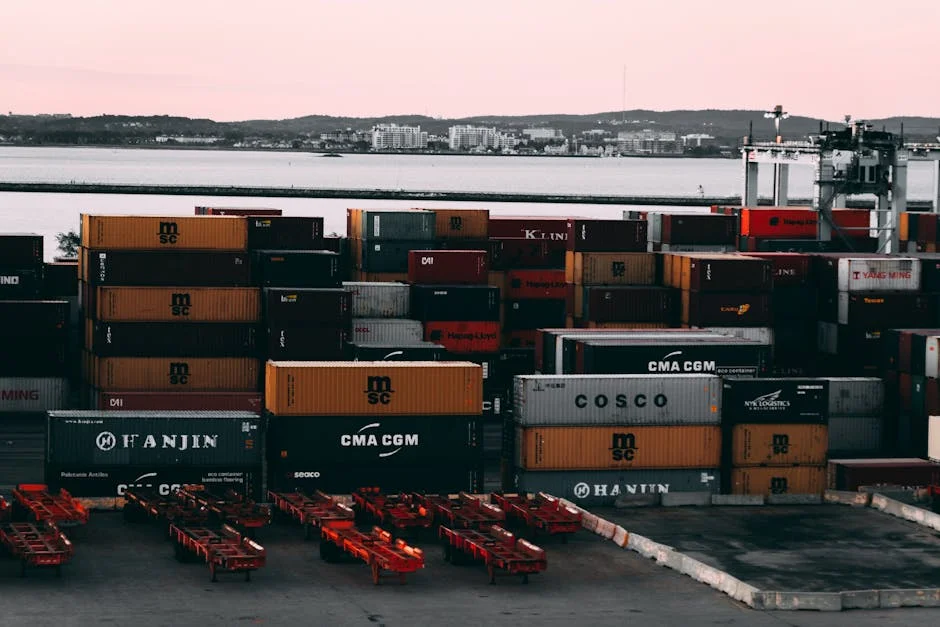
Transnet, the state-owned logistics company that operates South Africa's railways and ports, has struggled to clear backlogs at the Durban harbour since industrial action last year disrupted export volumes. The bottleneck means retailers face longer lead times for imported goods, adding warehousing costs that eventually land on shop floors. The Automobile Association of South Africa said in a statement that the cumulative fuel increases since October have added roughly R200 to the monthly cost of commuting for average workers in Centurion and surrounding Gauteng corridors.
Food Prices Follow Fuel's Lead
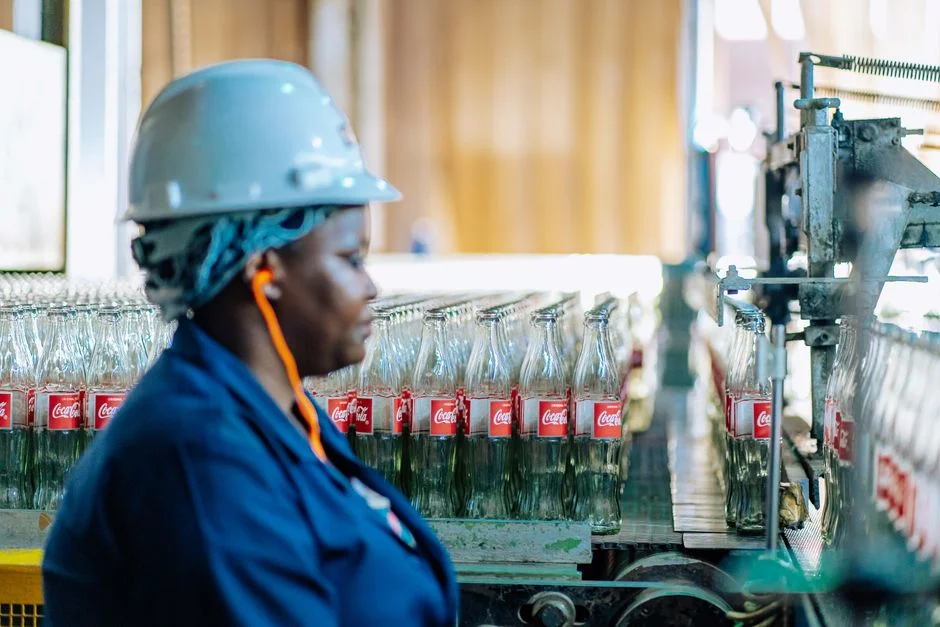
Food inflation has begun tracking fuel costs with a lag of four to six weeks, industry data shows. The Pietermaritzburg-basedAgri SAorganisation warned that bread prices could rise by at least 12 percent before the end of the second quarter, citing higher wheat import costs and localised drought conditions in the Free State province. Bread and cereals already contribute 3.8 percentage points to the current consumer price index basket, making them among the most politically sensitive categories in a country where 55 percent of households report food insecurity, according to the latest Statistics South Africa survey conducted across all nine provinces.
The weak rand compounds the problem. The currency has shed roughly 9 percent against the dollar over the past three months, making imported ingredients—from palm oil to dairy additives—more expensive for manufacturers operating in Cape Town and Durban industrial zones. Tiger Brands, one of the country's largest food producers, acknowledged in its February trading update that input cost inflation was running ahead of what could be absorbed through efficiency programmes alone.
Reserve Bank Faces a Narrow Path


The South African Reserve Bank's monetary policy committee meets on March 20 in Pretoria to deliberate on the repo rate. Governor Lesetja Kganyago has hinted that the committee remains vigilant on second-round effects from administered price increases, particularly electricity tariffs which Eskom hiked by 13.1 percent in January. Analysts at Investec now price in a 62 percent probability of an unchanged rate, but a further petrol-driven inflation spike in February's data could shift expectations.
For businesses, the dilemma is acute. Companies that absorb higher input costs risk compressing margins at a time when private sector investment has already slowed. Those that pass costs to consumers risk triggering demand destruction in an economy where household debt stands at 64 percent of disposable income, according to Reserve Bank data. The Pietermaritzburg Economic Justice and Dignity group reported that a household food basket for a family of five now costs R5,200 on average, up from R4,600 a year ago—a figure that consumes nearly a full minimum wage in many formal employment scenarios.
What Commercial Property Markets Are Watching
Retail and logistics property funds are among the most exposed. Hyprop Investments, which manages shopping centres across Gauteng and the Western Cape, said rental escalations built into existing leases would struggle to keep pace with property operating cost increases if inflation stays elevated through the year. Redefine Properties, another major listed landlord, noted in its half-year results that tenant sales density in township retail formats had begun declining for the first time since 2020, a signal that consumers are pulling back.
Warehouse demand in the Ekurhuleni metropolitan area remains firm, driven by e-commerce growth, but landlords face rising municipal utility charges that offset rental income gains. The Johannesburg Stock Exchange's real estate index has underperformed the broader ALSI by 14 percentage points over six months, reflecting investor caution about margin compression in the sector.
Investor Sentiment and the Fiscal Risk
Finance Minister Enoch Godongwana faces pressure to present a credible budget consolidation path when the National Treasury releases its mid-term budget policy statement in October. Rating agency Fitch, which maintained South Africa's BB- rating with a negative outlook in December, has made clear that fuel and food price pass-through to general inflation could delay fiscal consolidation by 12 to 18 months if the Reserve Bank responds with sharper rate increases.
Foreign portfolio investors have reduced South African government bond holdings by R28 billion since the start of the year, data from the Johannesburg Stock Exchange shows. The yield on the 10-year government bond has climbed to 10.7 percent, signalling that capital markets are demanding a higher risk premium. Absa and Standard Bank economists both revised their growth forecasts downward this week, with Absa now projecting GDP growth of just 0.9 percent for 2025, down from a prior estimate of 1.4 percent.
What Comes Next
February's consumer price index data, scheduled for release by Statistics South Africa on March 12, will be the first real test of whether the double blow materialises as forecast. If food and fuel components both accelerate as expected, the Reserve Bank's March 20 meeting will face a stark choice between protecting the currency through higher rates or protecting growth through inaction.
Workers in the manufacturing sector are watching wage negotiation processes closely. The National Union of Metalworkers of South Africa has already tabled demands for 11 percent increases in this year's centralized bargaining forum, inflation expectations. The outcome of those talks, expected to conclude by late April, will determine whether South Africa enters a wage-price spiral—the scenario that analysts fear most.
See Also
- Kashmira Pardeshi Spotted at Cricket Match — Rumours of Relationship with Nehal Wadhera Emerge
- Centcom Confirms Over 3,000 Strikes in First Week of Conflict — What This Means for Africa
What is the latest news about south africa braces for double inflation hit as prices surge?
Why does this matter for economy-business?
What are the key facts about south africa braces for double inflation hit as prices surge?