Zimbabwean authorities have imposed a sweeping re-entry ban on thousands of citizens who were recently repatriated from Cape Town, South Africa. The restriction, announced through the country's Home Affairs ministry, prevents those who left South Africa from returning to Zimbabwe through normal channels. The move has left families separated and created fresh uncertainty for migrant workers whose livelihoods depend on cross-border movement.
Repatriation and Immediate Fallout
The repatriation operation, coordinated through Epping in Cape Town, saw thousands of Zimbabweans transported back to their home country over several days. Officials described the exercise as part of routine immigration management, but the subsequent re-entry ban has drawn sharp criticism from advocacy groups. Those affected now face the prospect of being unable to return to jobs, rental agreements, and community ties they established in South Africa.
The ban applies specifically to individuals processed during the recent repatriation flights. Zimbabwean officials have not disclosed the exact number of people caught under the restriction, though local media in Harare reported the operation involved multiple transport vehicles and spanned several weeks. Families who thought the repatriation marked the end of their ordeal now find themselves trapped in bureaucratic limbo.
Economic Ties Under Strain
The economic relationship between Zimbabwe and South Africa runs deep. Zimbabwean migrants in South Africa send significant remittance payments home each year, supporting extended families and contributing foreign exchange to Zimbabwe's struggling economy. Any disruption to this flow carries immediate consequences for households on both sides of the border.
South African businesses that rely on Zimbabwean labour stand to lose experienced workers. The construction, agriculture, and domestic service sectors in the Western Cape have long depended on migrant workers from Zimbabwe. Employers now face the prospect of staff shortages at a time when South Africa's economy is already under pressure from power constraints and rising input costs.
Remittance Corridors at Risk
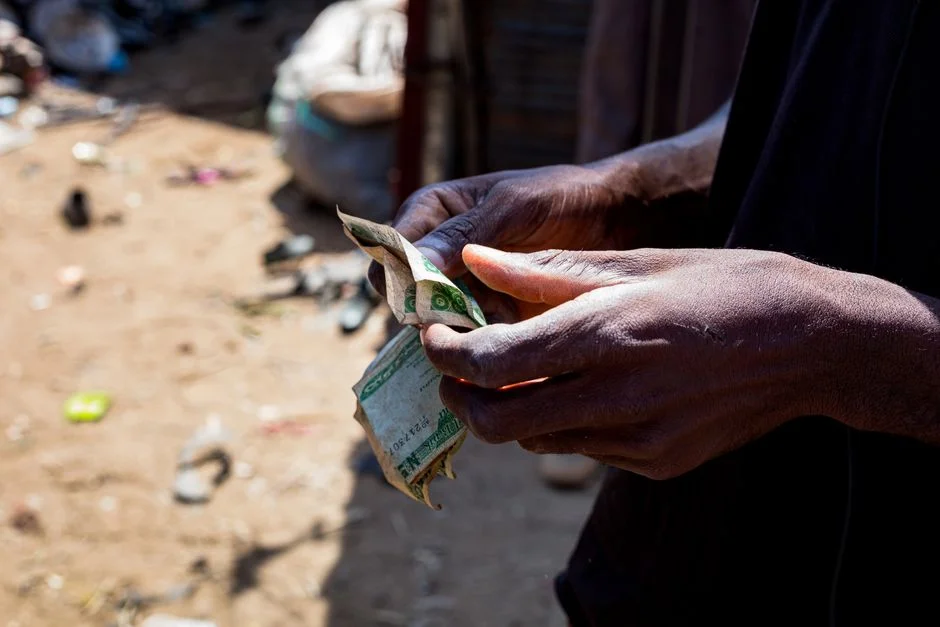
The informal remittance channels that Zimbabwean migrants use to send money home could narrow significantly if the ban remains in place. South Africa's rand, which circulates widely in Zimbabwe's formal and informal markets, may see reduced demand. For Zimbabwe's cash-strapped government, the slowdown in diaspora remittances removes a crucial source of foreign currency that helps stabilise the local unit.
Cross-Border Trade Implications


Small-scale traders who shuttle goods between Zimbabwe and South Africa form the backbone of border region economies. These informal traders, many of whom are women, rely on frequent cross-border movement to stock markets in Harare, Bulawayo, and smaller towns. A prolonged re-entry ban would strangle these supply chains, pushing up prices for basic goods and squeezing profit margins for traders who have no alternative income source.
South African export businesses that serve Zimbabwean customers will also feel the impact. Retailers and wholesalers in border towns depend on Zimbabwean shoppers, whose purchasing power supports local employment. If the ban persists, these businesses may need to scale back inventory or reduce staff.
Diplomatic and Policy Fallout
The ban places additional strain on an already complex bilateral relationship. South Africa's government has not publicly responded to the re-entry restriction, but diplomats in Pretoria are closely monitoring the situation. The timing is awkward for both countries, which are navigating their own economic challenges and political pressures ahead of key elections.
Human rights organisations have called on Zimbabwe's government to reconsider the ban, arguing that it punishes citizens who had no say in their repatriation. Legal experts note that international conventions on freedom of movement may be relevant, though enforcement mechanisms remain limited.
What Comes Next
Zimbabwe's Home Affairs ministry is expected to issue further guidance on exceptions to the re-entry ban in the coming weeks. Officials have hinted that humanitarian cases, including those with medical needs or urgent family obligations, may be reviewed on an individual basis. However, no formal application process has been announced, leaving affected Zimbabweans without a clear path forward.
Watch for South Africa's foreign ministry to raise the matter through bilateral channels. The Southern African Development Community may also be called upon to mediate, given the regional implications of mass migration policies. For now, thousands of families on both sides of the border must wait while the two governments work through the diplomatic and economic consequences of this dispute.
See Also
- Hailey Bieber's Body Butter Sparks Surge in US Skincare Sales
- Simla Prasad's Journey From UPSC to Bollywood Stirs African Dreams
A prolonged re-entry ban would strangle these supply chains, pushing up prices for basic goods and squeezing profit margins for traders who have no alternative income source.South African export businesses that serve Zimbabwean customers will also feel the impact. The timing is awkward for both countries, which are navigating their own economic challenges and political pressures ahead of key elections.Human rights organisations have called on Zimbabwe's government to reconsider the ban, arguing that it punishes citizens who had no say in their repatriation.
What is the latest news about zimbabwe imposes reentry ban on nationals repatriated from cape town?
Why does this matter for culture-arts?
What are the key facts about zimbabwe imposes reentry ban on nationals repatriated from cape town?