Google has selected South Africa as the launchpad for its most ambitious African artificial intelligence infrastructure, committing billions to a project that officials say will reshape the continent's digital economy. The announcement places Johannesburg at the centre of a push to give African developers and businesses direct access to AI tools without relying on overseas data centres.
Investment and Infrastructure Details
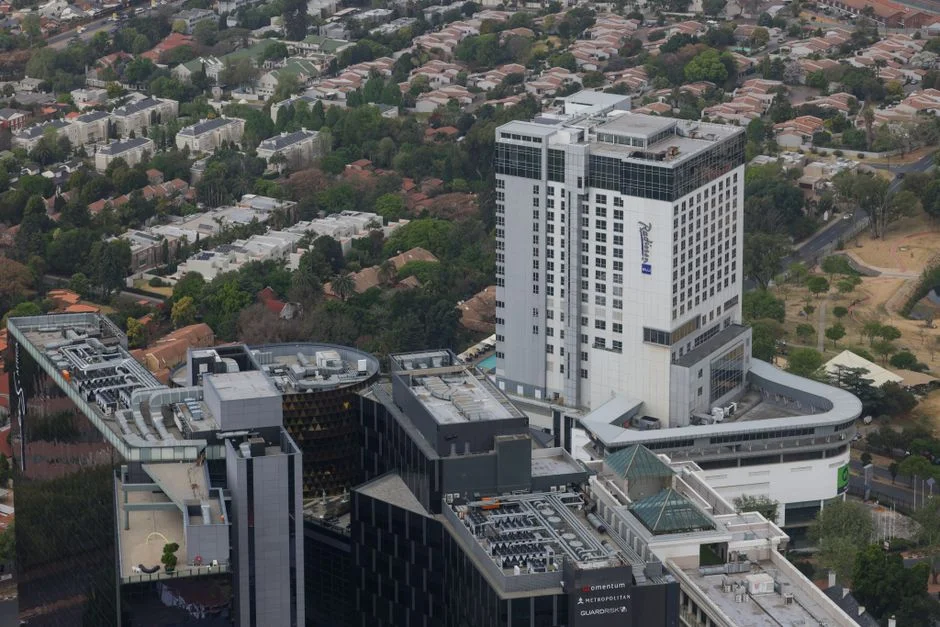
The tech giant will spend R2.1 billion over three years to build AI model training facilities in Midrand, Gauteng. The campus will include specialised graphics processing units designed for machine learning workloads. Google stated the location offers reliable power supplies and proximity to undersea internet cables connecting Africa to global networks.
Local technology firms will gain priority access to computing resources at subsidised rates. Google Africa director Nitin Gajjar told reporters the project responds to growing demand from South African startups for AI capabilities. "African engineers are building remarkable applications, but they have had to send their data to servers in Europe or North America," Gajjar said. "That changes now."
Why South Africa Won the Bid
South Africa beat competing proposals from Kenya, Nigeria, and Egypt for the facility. Industry analysts pointed to the country's relatively mature financial sector, existing technology talent pool, and regulatory frameworks that permit foreign-owned digital infrastructure. The government signed a memorandum of understanding with Google in Pretoria last month, fast-tracking permits for data centre construction.
International technology companies have increasingly looked to South Africa as a base for continental operations. Amazon Web Services opened a Cape Town region in 2020, while Microsoft launched its Johannesburg-based Azure zones in 2022. The presence of these competitors created an ecosystem that made South Africa the logical choice, according to industry body Tech Central.
Regulatory Support and Trade-offs
The agreement includes provisions requiring Google to hire at least 60 percent of technical staff locally. The company must also store data generated by South African users within the country's borders—a condition that data sovereignty advocates pushed for during negotiations. In exchange, Google receives tax concessions under the Special Economic Zone framework.
Critics have questioned whether the tax breaks justify the public subsidy. The Financial and Fiscal Commission, an independent body advising parliament, estimated South Africa would forgo R340 million in corporate tax over the facility's first five years. Commission chair Dr. Patience Mlambo said the long-term benefits must be demonstrated clearly.
Economic Consequences for South Africa


The project will create approximately 1,400 construction jobs during the build phase, followed by 650 permanent positions once operations begin. Economists at Nedbank Research calculated the knock-on effect could generate an additional R3.8 billion in economic activity through local suppliers and service contracts. Property analysts expect demand for industrial land near the campus to rise sharply.
South Africa's unemployment rate stands at 32 percent, making job creation a priority for policymakers. The AI hub is unlikely to absorb significant numbers of low-skilled workers, but technology executives argue the facility will nurture high-value employment over time. Universities in Gauteng are already revising curricula to align with anticipated demand for AI engineering roles.
Reaction from African Competitors
Nigerian technology ministers expressed disappointment, with local media reporting that Lagos had offered a package including land grants and streamlined licensing. Kenyan officials argued their country offers lower electricity costs and a deeper talent base. Both nations risk losing skilled workers to South Africa if the hub attracts global attention and capital.
The disparity highlights uneven development across African technology hubs. Cairo, Nairobi, and Lagos have produced successful startups, yet they lack the infrastructure scale to compete for major foreign investment. The African Development Bank noted in a recent report that digital infrastructure gaps cost the continent an estimated $100 billion annually in unrealised economic output.
What Investors Should Watch
Google's commitment signals confidence in South Africa's political stability and regulatory environment at a time when some multinationals have questioned the country's direction. The rand has strengthened against the dollar since the announcement, with currency traders citing improved sentiment toward South African assets.
Listed companies with technology exposure have already moved. Data centre operator Teraco rose 8 percent on the JSE following the news, while fintech firm Yoco recorded a surge in new business enquiries. Venture capital funds focused on African AI startups reported a wave of inbound interest from international limited partners.
The project also raises questions about data governance. South Africa's Protection of Personal Information Act requires strict handling of user data, and the AI hub's operations will test how regulators apply these rules to machine learning systems that process large volumes of information automatically.
Timeline and What Comes Next
Groundbreaking is scheduled for the third quarter of this year, with the first phase operational by early 2027. Google will launch a grant programme for African AI researchers simultaneously, offering funding to universities in six countries. The company plans to publish quarterly progress reports, a move transparency advocates have welcomed.
South Africans should watch how the government enforces its local hiring requirements. The Department of Higher Education and Training will audit compliance annually. Whether the hub delivers on its promises will shape how other countries approach future negotiations with global technology companies.
See Also
- Eversheds Sutherland secures $214 million financing for Mota-Engil: implications for Africa's infrastructure
- A Coruña Will Not Attend the World Cup
What is the latest news about google confirms r2 billion ai hub in south africa what changes next?
Why does this matter for economy-business?
What are the key facts about google confirms r2 billion ai hub in south africa what changes next?