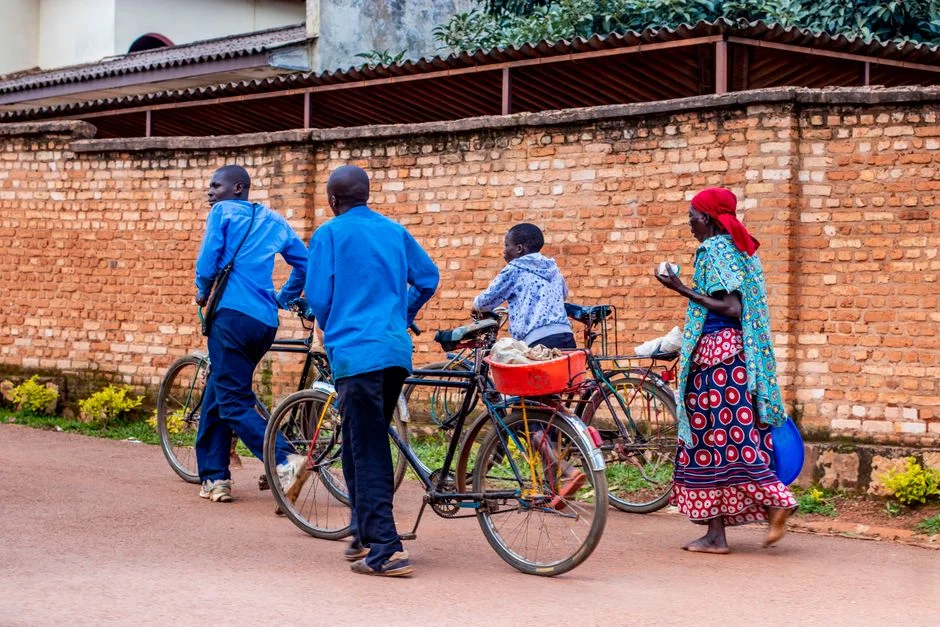
Protesters wielding machetes have surrounded migrant neighbourhoods across South Africa, demanding foreigners leave before a government-imposed deadline expires at the end of June. The violence has forced thousands of migrants to abandon homes and businesses, triggering immediate disruption to local economies and raising alarm among investors monitoring the country's stability.
Violent Scenes as Deadline Approaches
Eyewitnesses in Johannesburg and Durban described protesters arriving in groups, some carrying machetes and other weapons, to demand that migrants pack their belongings and depart. Social media footage showed crowds blocking roads and harassing foreign nationals in the streets.

The protests centre on a June 30 deadline set by local authorities for migrants without valid documentation to leave certain areas voluntarily. The deadline emerged after months of escalating tension between South African communities and migrants from neighbouring countries, particularly Zimbabwe and Mozambique.
The South African government has publicly condemned the violence but has faced criticism for failing to protect migrant communities adequately. Police have been deployed to several hotspots, though their presence has not always prevented confrontations.
Economic Shockwaves Hit Local Markets
The exodus of migrants is already rippling through South Africa's informal economy. Migrant entrepreneurs dominate large portions of informal retail and small-scale manufacturing in several provinces. Their sudden departure has left shops shuttered and supply chains broken.
Local business owners dependent on migrant customers report declining sales. In areas where migrants constituted a significant portion of consumer spending, retailers are warning of unsustainable losses. The economic ripple effect extends beyond direct migrant-owned businesses to include landlords, suppliers, and transport operators.
Property owners face mounting vacancies as migrants flee before the deadline. Some landlords in affected areas say they cannot find replacement tenants given local economic conditions, creating financial strain for property investors.
Labour Market Disruption Looms
South Africa's agricultural and construction sectors rely heavily on migrant workers, particularly in provinces such as Western Cape and Gauteng. Farmers warn that losing experienced seasonal workers just before harvest could lead to significant crop losses and reduced export volumes.
Construction companies report difficulty retaining migrant employees who fear for their safety. Project delays are becoming common, with some contractors warning that costs will rise sharply if they must hire and train replacement workers on short notice.
The unemployment rate among South African citizens already exceeds 30 percent. Some local workers have begun filling positions abandoned by migrants, though employers note that experience gaps could reduce productivity and quality in affected industries.
Investor Confidence Takes a Hit
International investors are watching the situation closely. South Africa has worked to attract foreign direct investment to support economic growth and reduce unemployment. The images of violence and forced migration threaten to undermine those efforts.
The rand has shown sensitivity to domestic instability in recent weeks. Currency traders cite xenophobic violence as a factor increasing risk perception for South African assets. Bond yields have risen slightly as some foreign investors demand higher returns to hold South African debt.
Business groups representing international companies operating in South Africa have issued statements expressing concern. The violence complicates efforts to position South Africa as a stable investment destination competing with other emerging markets for limited global capital.
What Happens After June 30
The immediate question is whether authorities will enforce the deadline by removing migrants who remain, or whether the deadline will be extended or ignored. The government has not clarified its enforcement plans, creating uncertainty for migrants, businesses, and investors alike.
Regional governments in neighbouring countries are preparing for potential influxes of returning citizens. Zimbabwe and Mozambique face the prospect of managing repatriation flows while their own economies struggle with limited resources.
Humanitarian organisations warn that migrants who cannot return to their countries of origin may be pushed into irregular situations, creating long-term social and economic challenges. The United Nations refugee agency has called for protection of migrant rights, though its capacity to intervene remains limited.
June 30 arrives as a pivotal date. Markets will watch for government action, business leaders will assess labour supply, and investors will recalibrate South Africa risk. The events of the coming weeks could reshape the country's economic trajectory for years.
See Also
- India Launches $60 Billion Trade Push in Africa — Markets React
- South Africa Intensifies Immigration Crackdown — Business Owners Brace for Impact
Business groups representing international companies operating in South Africa have issued statements expressing concern. The violence complicates efforts to position South Africa as a stable investment destination competing with other emerging markets for limited global capital.
What is the latest news about south africa sets june deadline for migrants to leave violence flares?
Why does this matter for agriculture-food?
What are the key facts about south africa sets june deadline for migrants to leave violence flares?