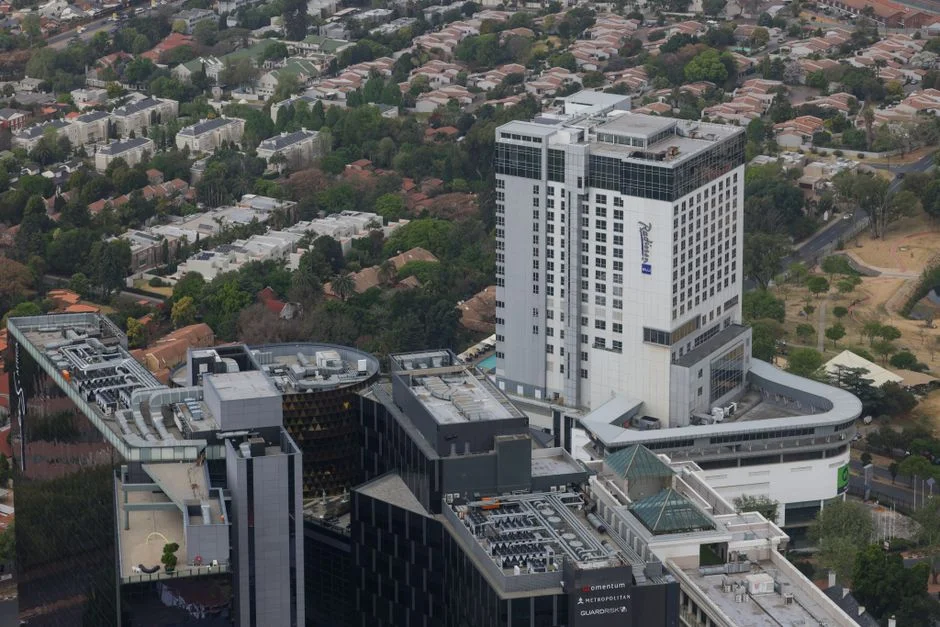
South Africa's manufacturing sector faced renewed headwinds in June as the Purchasing Managers' Index slipped, signaling a deterioration in business conditions across the country's factories and industrial plants. The data, compiled by S&P Global, showed the headline PMI dropping below the 50-point threshold that separates growth from contraction. This marks the first time in three months that the index has fallen into negative territory, raising fresh concerns about the strength of Africa's most industrialised economy.
What the Numbers Reveal
The June reading came in at 48.7, down from 51.2 in May, according to the survey of approximately 400 manufacturing companies. Output volumes contracted for the second consecutive month, while new orders fell at their sharpest rate since February. Manufacturers in Johannesburg and surrounding Gauteng province reported particular weakness, citing softer domestic demand and headwinds from a persistently strong rand against major trading currencies.

Employment within the sector also declined marginally as companies cut back on hiring in response to weaker order books. The sub-index for employment settled at 48.3, indicating a modest reduction in workforce numbers across the industry.
Currency Pressures Compound Challenges
The rand's performance against the dollar has created a complicated backdrop for South African exporters. While a stronger currency helps contain imported inflation, it simultaneously makes South African goods more expensive for overseas buyers. Local manufacturers told surveyors that competitive pricing had become increasingly difficult to maintain amid rising input costs.
Input Costs and Pricing Pressures
Average input prices rose across the sector, driven by higher costs for raw materials and energy. Electricity constraints, a longstanding challenge for South African industry, continued to weigh on production capacity. Eskom, the state-owned utility, has struggled to meet demand, leading to scheduled power cuts that disrupt manufacturing schedules and add to operational costs.
Business Sentiment Dims

Future output expectations fell to their lowest level in the current six-month streak of optimism, though they remained above the critical 50-point mark. Manufacturers cited uncertainty about global trade conditions and domestic economic policy as factors dampening confidence. The South African Reserve Bank's ongoing efforts to control inflation through interest rate adjustments have also influenced borrowing costs for businesses seeking to expand or modernise equipment.
Inventory levels decreased as companies adopted a cautious approach to stockpiling, reflecting uncertainty about near-term demand trajectories.
Implications for Investors
The weaker PMI data arrives at a sensitive moment for South Africa's financial markets. JSE-listed industrial and manufacturing stocks have underperformed broader indices in recent weeks, and the latest survey results suggest that earnings growth for the sector may remain subdued through the second half of the year. Portfolio managers with exposure to South African manufacturing names should monitor upcoming corporate earnings reports for evidence of margin compression or revised guidance.
Property companies with industrial holdings in key logistics hubs such as Durban, Cape Town, and Johannesburg may face questions from investors regarding occupancy rates and rental demand from the manufacturing segment.
Broader Economic Context
South Africa's economy grew by 0.6% in the first quarter, according to Statistics South Africa, but the manufacturing sector contributed negatively to that figure. The country faces structural challenges including infrastructure bottlenecks, skilled labour shortages, and regulatory complexity that constrain industrial expansion. Analysts note that without meaningful progress on these underlying issues, the sector will struggle to achieve the growth rates needed to reduce unemployment, which sits above 30%.
Trade data from South African Revenue Service shows that manufactured exports have faced declining demand from key African trading partners, adding another layer of complexity for factory owners seeking to expand beyond saturated domestic markets.
What to Watch Next
July's PMI reading will arrive in early August and will be closely scrutinised for signs of stabilisation or further deterioration. The South African Reserve Bank's next monetary policy meeting is scheduled for late July, where the central bank's rate decision could influence business investment intentions. Companies and investors should also track any announcements from Trade, Industry and Competition Minister regarding policy interventions aimed at supporting industrial competitiveness. Forward-looking indicators from the June survey, particularly new export orders and inventory buying behaviour, will offer clues about the sector's trajectory through the traditionally stronger third quarter.
See Also
- US Bans Green-Card Holders from South Sudan — Businesses Brace for Impact
- Michael Jackson Movie Editor Reveals Cut — Impact on SG Markets
What is the latest news about south africa pmi falls to threemonth low what comes next?
Why does this matter for culture-arts?
What are the key facts about south africa pmi falls to threemonth low what comes next?