The South African trade deficit expanded to a record R210 billion in the first quarter of 2026, sending shockwaves through local markets and triggering a sharp decline in the rand. This surge in the gap between imports and exports reflects a deepening structural imbalance that is now directly impacting consumer prices and corporate profit margins across the region.
Investors are reacting swiftly to the data released by Statistics South Africa on Tuesday. The currency dropped by 2.3% against the US dollar within hours of the announcement, marking its steepest single-day fall in six months. Markets are pricing in higher inflation and potential interest rate hikes as the cost of servicing the nation's external debt begins to bite.
Trade Imbalance Deepens
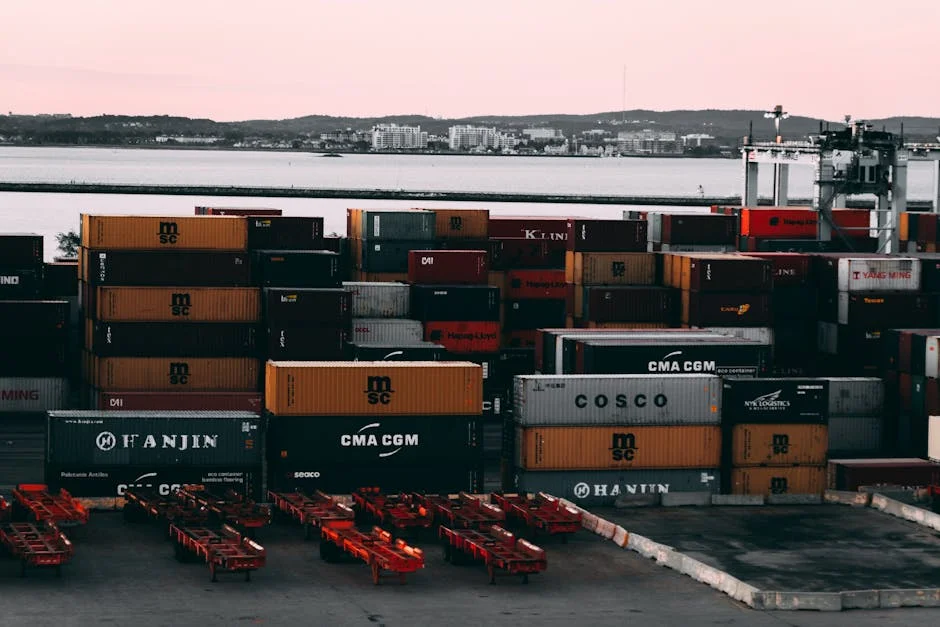
The underlying driver of this economic pressure is the persistent reliance on imported goods despite a stagnating export sector. Imports rose by 8.5% year-on-year, fueled by higher global energy prices and a robust demand for consumer electronics and machinery in Johannesburg and Cape Town. Export growth, by contrast, remained sluggish at just 3.2%, held back by logistical bottlenecks at the Durban port and erratic power supply in the industrial heartland.
This divergence has created a perfect storm for the balance of payments. The country is buying more than it is selling, which drains foreign reserves and weakens the currency. When the rand weakens, imports become more expensive, which feeds directly into the Consumer Price Index. This creates a feedback loop that threatens to erode household purchasing power across all income brackets.
Business leaders are expressing concern over the sustainability of the current trajectory. The South African Reserve Bank has already signaled that it may need to intervene in the foreign exchange market to prevent excessive volatility. Such interventions, however, come at a cost to the nation's hard-earned dollar reserves, which are currently estimated at $58 billion.
Market Reaction and Currency Volatility
The financial markets have not waited for policy makers to act. The JSE All-Share Index fell by 1.8% on Tuesday, dragged down by the mining and manufacturing sectors which are most exposed to exchange rate fluctuations. Mining companies, which earn revenue in dollars but spend in rands, typically benefit from a weaker currency. However, the current drop is so sharp that it has introduced uncertainty that outweighs the immediate accounting gains.
Manufacturers are facing a different challenge. Their input costs are denominated in dollars, meaning a weaker rand squeezes their margins unless they can pass the costs on to consumers. This pass-through effect is already visible in the retail sector, where prices for packaged foods and household goods have started to tick upward. Inflation expectations are rising, which complicates the job of the Monetary Policy Committee.
Foreign investors are also taking a closer look at the risk premium associated with South African assets. Portfolio outflows have accelerated, with an estimated $1.2 billion leaving the local bond market in the week following the trade data release. This capital flight puts additional downward pressure on the rand and increases the cost of borrowing for both the government and private companies.
Impact on Key Sectors
The automotive industry in Gauteng is particularly vulnerable. Most components are imported, and a weaker rand makes production more expensive. If dealers do not raise prices, profit margins shrink. If they do raise prices, demand may soften. This dilemma is forcing companies to reconsider their pricing strategies and supply chain diversification plans.
The retail sector is also feeling the heat. Major chains are reporting a slowdown in foot traffic as consumers tighten their belts. The cost of imported goods, from clothing to technology, is rising. This is eating into the disposable income of middle-class households, which are the primary drivers of domestic consumption. Retailers are responding by increasing promotional activity, but the discounting comes at the expense of profit margins.
Consumer Inflation and Household Squeeze


The direct consequence of a widening trade deficit and a weaker rand is higher inflation. The latest data shows that annual inflation has risen to 4.8%, up from 4.3% three months earlier. Food inflation is particularly acute, driven by the cost of imported ingredients and transport fuels. Households are spending a larger proportion of their income on essentials, leaving less for discretionary spending.
This squeeze on household budgets is likely to have a ripple effect on the broader economy. Reduced consumption means lower revenues for businesses, which in turn affects job creation and wage growth. The labor market is already showing signs of softening, with the unemployment rate hovering around 36% for the working-age population. Any further slowdown in economic activity could push this figure even higher.
Financial planners in Pretoria are advising clients to review their investment portfolios and debt structures. With interest rates likely to remain elevated for longer than previously expected, the cost of servicing variable-rate bonds and home loans is increasing. Savers are being urged to lock in fixed-income returns before the South African Reserve Bank raises the repo rate further to anchor inflation expectations.
Investment Outlook and Capital Flows
The investment community is reassessing the risk-reward profile of South African equities. While valuations have become more attractive due to the recent market correction, the macroeconomic headwinds are significant. Foreign portfolio investors are particularly sensitive to currency risk, and the recent volatility has made them more cautious. Some fund managers are increasing their hedging costs to protect against further rand depreciation.
Local investors are looking for defensive plays in the current environment. Utilities and consumer staples are outperforming the broader market as investors seek stability in revenue streams. These sectors are less sensitive to economic cycles and currency fluctuations. However, even these havens are not entirely immune to the broader economic slowdown.
The bond market is also reflecting the increased risk. The yield on the 10-year government bond has risen by 40 basis points, signaling that investors demand a higher return for holding South African debt. This increases the fiscal pressure on the government, which relies on the bond market to finance its budget deficit. Higher borrowing costs could force the Treasury to introduce new tax measures or cut spending, both of which have political and economic implications.
Policy Responses and Structural Challenges
Policy makers are facing difficult choices. The South African Reserve Bank can raise interest rates to cool inflation and support the currency, but this risks slowing down economic growth further. The government can intervene in the foreign exchange market, but this depletes reserves and may not last. Structural reforms are needed to boost export competitiveness and reduce reliance on imports, but these take time to bear fruit.
The National Treasury has acknowledged the challenge in its latest budget review. Finance Minister Tito Mboweni stated that the government is focusing on supply-side reforms to improve productivity and attract foreign direct investment. These reforms include easing regulations in the mining sector and improving logistics infrastructure. However, the implementation of these measures has been slow, and the private sector is calling for greater urgency.
International organizations are also weighing in. The International Monetary Fund has urged South Africa to accelerate its fiscal consolidation efforts to restore market confidence. The World Bank has highlighted the need for investments in renewable energy to reduce the cost of electricity for manufacturers. These recommendations align with the domestic debate on how to make the economy more resilient to external shocks.
Regional Spillover and Trade Dynamics
The impact of South Africa's trade deficit is not confined to its own borders. As the largest economy in the region, South Africa's economic performance influences its neighbors. A weaker rand makes South African exports more competitive in the Common Market for Eastern and Southern Africa (COMESA). This could benefit exporters in countries like Botswana and Namibia, which rely on the South African market for their goods.
However, if the South African economy slows down significantly, the demand for regional exports could weaken. This is a key risk for the broader African continent, where intra-regional trade is still growing. The African Continental Free Trade Area (AfCFTA) aims to boost trade between member states, but it requires a stable economic environment to realize its full potential. South Africa's current challenges could slow down the momentum of this historic trade agreement.
Investors looking at the wider African market are watching South Africa closely. The country is often seen as a gateway to the continent for foreign capital. If South Africa's economy stabilizes, it could attract more investment into the region. If it continues to struggle, it could dampen investor sentiment across the board. The performance of the Johannesburg Stock Exchange is therefore a key indicator of regional economic health.
What to Watch Next
The coming weeks will be critical for determining the direction of the economy. Investors should watch for the next Monetary Policy Committee meeting, where the South African Reserve Bank will announce its decision on the repo rate. A hike of 25 basis points is widely expected, but a surprise 50-basis-point hike could signal greater concern about inflation.
Trade data for the second quarter of 2026 will also provide valuable insights. If the trade deficit continues to widen, the pressure on the rand will intensify. If it narrows, it could provide some relief to markets. The performance of the Durban port and the stability of the power grid will be key factors influencing export volumes and production costs.
Policy announcements from the National Treasury will also shape investor sentiment. Any new measures to boost exports or attract foreign investment could provide a boost to confidence. Conversely, further fiscal tightening could weigh on growth. Markets are sensitive to signals from policy makers, and clarity on the path forward will be essential for stabilizing the economy.
The global economic environment will also play a role. If the US Federal Reserve cuts interest rates, it could strengthen the dollar and put further pressure on the rand. If global commodity prices rise, it could benefit South Africa's mining sector. Investors need to keep a close eye on these external factors as they navigate the current uncertainty.
The outlook for South Africa's economy remains cautious. The trade deficit is a structural issue that will not be resolved overnight. However, with prudent policy making and structural reforms, the country can stabilize its economy and restore investor confidence. The next few months will be a test of the resilience of the South African economy and the effectiveness of its policy responses.
See Also
- Brazil Offers Jet Fuel to Portugal — Global Energy Markets React
- U.S. State Department Confirms New Ebola Outbreak in DRC — Markets React
The performance of the Johannesburg Stock Exchange is therefore a key indicator of regional economic health. Structural reforms are needed to boost export competitiveness and reduce reliance on imports, but these take time to bear fruit.