South Africa's private sector showed clear signs of recovery in June, according to the latest purchasing managers' index data released this week. The headline index climbed above the 50-point threshold that separates contraction from expansion, marking the sector's first positive reading in several months. Economists said the movement signals a potential turning point after a prolonged period of sluggish output.
PMI Data Surpasses Expectations
The June purchasing managers' index came in at 51.3, beating forecasts from economists who had predicted a reading closer to 49.5. A reading above 50 indicates growth in the private sector, while anything below suggests contraction. The improvement was driven primarily by increases in new orders and employment sub-indices, according to the survey of hundreds of companies across the country. Business confidence also rose, with firms reporting the strongest optimism about future output since late last year.

Manufacturing Leads the Uptrend
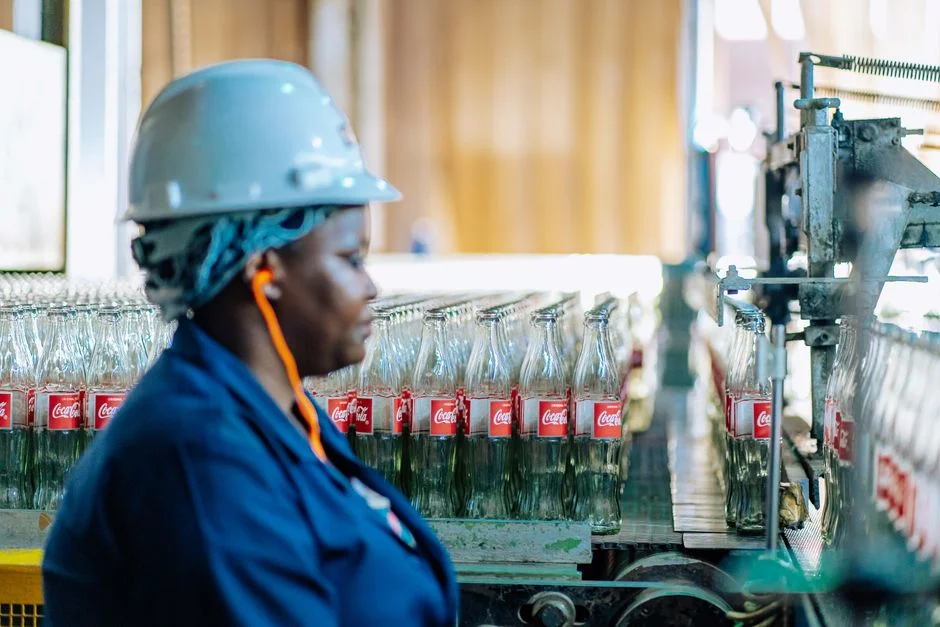
Manufacturing firms reported the sharpest improvement among major sectors, with production volumes rising at the fastest pace in nearly two years. Companies in Gauteng and KwaZulu-Natal, two of South Africa's industrial heartlands, cited stronger demand from both domestic and export markets. The automotive and food processing segments were particular bright spots, according to the survey data. However, construction activity remained subdued, with developers continuing to cite high input costs and regulatory bottlenecks as constraints on growth.
Services Sector Also Shows Improvement
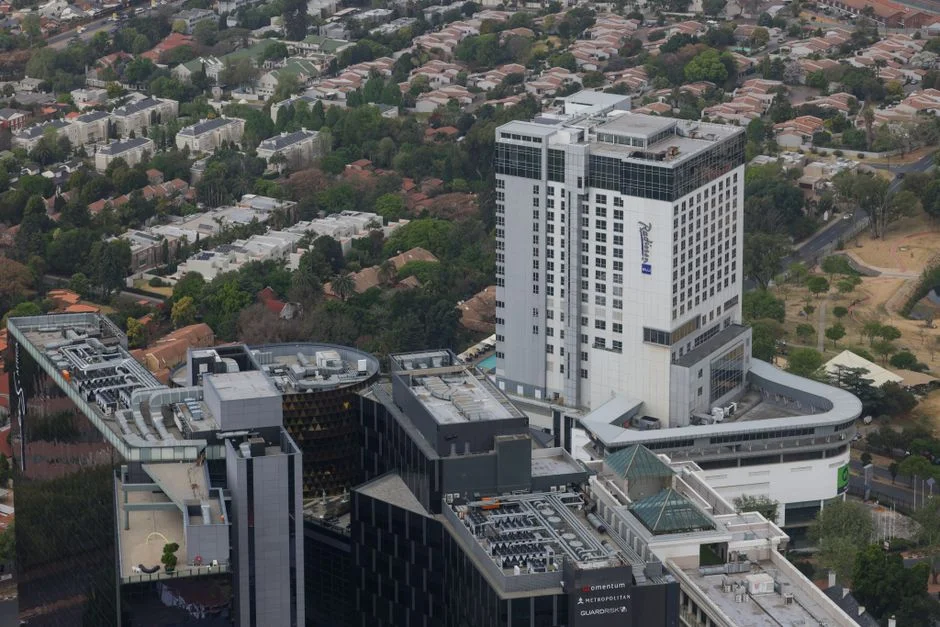
The services sector contributed to the overall upturn, though the improvement was more modest compared with manufacturing. Financial services firms in Johannesburg reported stable client activity, while retail businesses noted a slight increase in consumer spending compared with the first quarter. Transport and logistics companies said freight volumes picked up in line with improved manufacturing output. Tourism-related businesses, however, remained cautious, with operators waiting for stronger signs of sustained recovery before expanding capacity.
What This Means for Investors


The data has immediate implications for markets. South African government bonds held steady following the release, with investors interpreting the figures as reducing pressure on the Reserve Bank to cut interest rates aggressively in the near term. The Johannesburg Stock Exchange's benchmark Top 40 index showed modest gains in early trading, led by industrial and financial counters. Currency traders pushed the rand marginally stronger against major currencies, with the exchange rate reflecting improved sentiment about the domestic growth outlook.
Business Sentiment Shifts
Company executives surveyed for the PMI report cited easing cost pressures as a key factor behind improved confidence. Input price inflation slowed to its lowest rate in two years, giving businesses more flexibility on pricing and staffing decisions. Several firms indicated they planned to increase capital expenditure in the second half of the year if the positive trend continues. South Africa's major banks, which publish their own business confidence surveys, are expected to release updated figures in the coming weeks.
Risks Remain on the Horizon
Despite the encouraging June data, economists cautioned that the recovery remains fragile. Eskom, the state electricity utility, continues to impose scheduled power cuts that disrupt industrial operations and add to business costs. Infrastructure constraints, particularly in logistics and port handling, also weigh on export competitiveness. Household consumption, which accounts for roughly two-thirds of South Africa's economic output, has yet to show decisive improvement, and unemployment remains near historic highs. These structural challenges could limit the durability of any upturn in private sector activity.
Central Bank Set to Weigh In
The South African Reserve Bank will factor the June PMI data into its next policy review scheduled for later this month. Policymakers have been watching growth indicators closely as they balance inflation concerns against the need to support economic activity. The bank held rates unchanged at its previous meeting but signalled that the policy stance could shift depending on incoming data. Market pricing suggests most traders expect rates to remain on hold through the third quarter, though the door remains open for cuts later in the year if disinflation continues.
What Comes Next
Official gross domestic product figures for the second quarter are due from Statistics South Africa in early September. Those numbers will provide a broader confirmation of whether the June PMI improvement translates into measurable economic growth. Businesses and investors will also monitor July PMI data when it is released next month to assess whether the recovery has staying power. The direction of global commodity prices, particularly platinum group metals, will remain a key variable for South Africa's export-dependent mining sector and the broader economy.
See Also
- TMC Slams Bengal CEO as CCTV Failures Trigger Security Crisis
- Xabi Alonso Launches Football Academy in South Africa — A Boost for Youth Development
Currency traders pushed the rand marginally stronger against major currencies, with the exchange rate reflecting improved sentiment about the domestic growth outlook.Business Sentiment ShiftsCompany executives surveyed for the PMI report cited easing cost pressures as a key factor behind improved confidence. Several firms indicated they planned to increase capital expenditure in the second half of the year if the positive trend continues.
What is the latest news about south africa reveals private sector recovery in june momentum builds?
Why does this matter for economy-business?
What are the key facts about south africa reveals private sector recovery in june momentum builds?