Madeleine Nseke Sissako has spent the better part of a decade reshaping what cricket can become in Cameroon. Now, as the sport gains ground across Central Africa, she finds herself at the centre of a question that matters to investors, development banks, and regional governments alike: can a sport born on English village greens take root in one of Africa's most complex markets?
The Rise of Cameroonian Cricket
Nseke Sissako works through the Cameroon Cricket Federation, navigating limited resources and a football-obsessed sporting culture. The federation operates from Yaoundé with a small staff and an ambitious mandate: introduce and grow a sport that most Cameroonians have never played. Cricket arrived in the country decades ago through missionary schools, but never gained mainstream traction. Nseke Sissako is trying to change that by building from the ground up, starting with schools and community clubs.
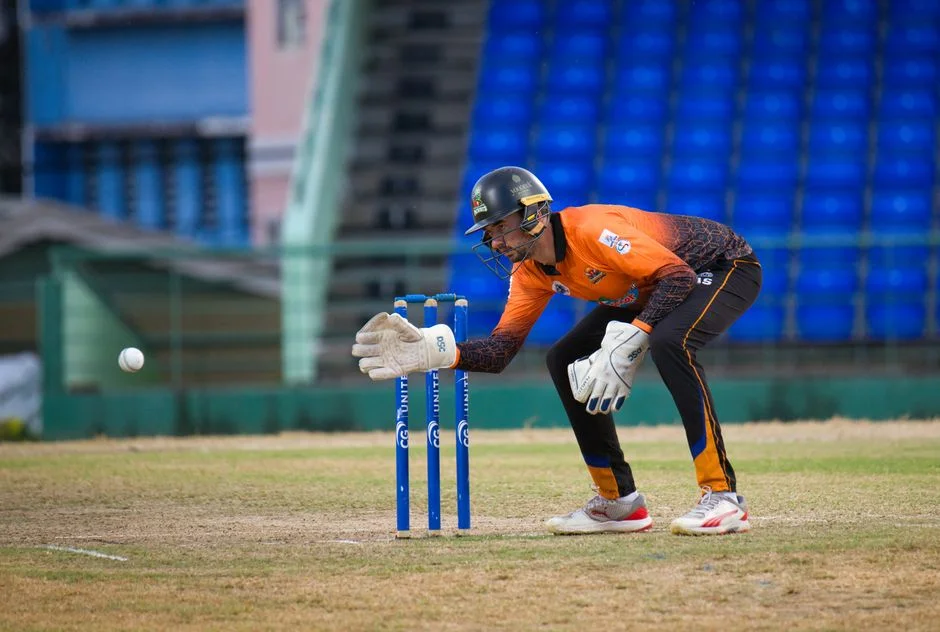
Her approach mirrors the grassroots model that worked in Rwanda and Uganda, where women's cricket in particular has produced regional contenders. Cameroon earned associate membership of the International Cricket Council in 2017, a status that unlocks funding pathways and international fixtures. The journey from associate status to competitive participation, however, requires infrastructure, coaching capacity, and sustained investment.
The Roger Milla Comparison Explained
Local media have dubbed Nseke Sissako's cohort of young players the "Roger Milla generation," invoking Cameroon's legendary striker who electrified the 1990 World Cup. The comparison carries weight. Cameroon has produced extraordinary sporting talent, but football has long consumed nearly all the attention and funding. Cricket advocates argue the sport could offer alternative pathways for young athletes, particularly women, who face limited opportunities in Cameroon's male-dominated sporting establishment.
The comparison also sets expectations. Roger Milla became a national symbol partly because he succeeded on the world stage at a time when Cameroon needed heroes. Cricket's ceiling is different, but Nseke Sissako believes a generation of skilled Cameroonian cricketers could reshape how the world sees the country's sporting potential. Regional tournaments and ICC development programmes offer realistic stages for early success.
Why Investors Are Paying Attention


International development finance institutions have shown growing interest in African sports infrastructure. The African Development Bank included sports facilities in its 2020-2025 education strategy, noting their role in youth employment and social cohesion. Cricket specifically attracts attention because it connects Africa to global supply chains, sponsorship networks, and broadcasting markets dominated by South Asia and Australia. A successful cricket programme in Cameroon could tap into these networks in ways that football, already saturated in global markets, cannot.
Private equity and sports marketing firms have begun scouting West and Central Africa for cricket expansion opportunities. The sport's relatively low infrastructure requirements appeal to cost-conscious investors. Unlike football, which demands large pitch spaces and goal systems, cricket can be played on modest grounds with basic equipment. Nseke Sissako has leveraged this flexibility, establishing training sites in Yaoundé and Douala that require minimal capital expenditure.
Economic Potential and Structural Challenges
Cameroon faces real headwinds that complicate cricket's growth trajectory. Infrastructure gaps affect every sector of the economy, and sports development competes for funding with healthcare, education, and transport. The Central African country's currency, the CFA franc, is pegged to the euro, which insulates it from some volatility but limits monetary policy flexibility. Economic growth has recovered unevenly since 2020, and unemployment among urban youth remains a persistent challenge.
Against this backdrop, cricket's economic case rests on two arguments. First, sport creates jobs directly through coaching, event management, and facilities operation. Second, and more significantly, successful athletes generate income through endorsements, prize money, and international transfers. ICC associate members can earn revenue through participation in global tournaments, and several African nations have begun receiving meaningful payouts from the body's funding distribution model.
What Comes Next
Nseke Sissako faces a critical period through 2025 and 2026, when ICC regional qualifiers will determine whether Cameroon advances to higher-tier competitions. Performance in these events influences future funding allocations and shapes the pipeline of talent reaching international cricket. The federation has identified at least thirty promising players across Yaoundé and Douala who could form the core of competitive squads.
Funding remains the binding constraint. The Cameroon Cricket Federation relies heavily on ICC development grants and occasional support from the National Sports Ministry. Building the infrastructure and coaching capacity to compete regionally will require expanded partnerships with corporate sponsors and international development agencies. Investors watching African sport markets should note that Cameroon represents an early-stage opportunity with growth potential, provided governance structures and funding pipelines remain stable.
See Also
- Cameroon 1990 Kit Voted Africa's Greatest World Cup Design Ever
- Air Peace Partners with Dutch Aviation Trainers — Boosting Pilot Skills in West Africa