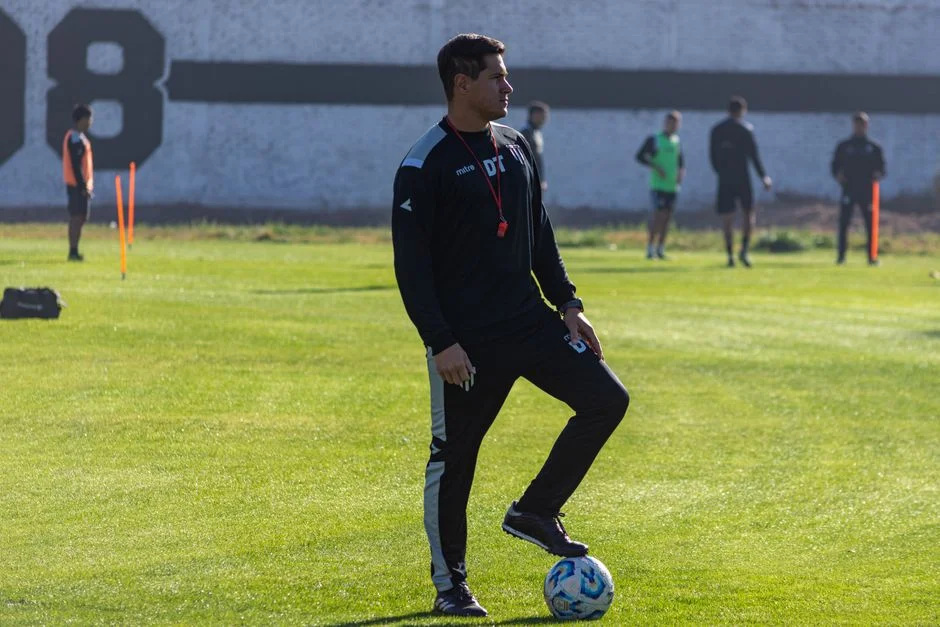
Madeleine Nseke Sissako has spent years chasing a vision that many in Cameroon initially dismissed as impractical. Now, as she leads what supporters call the country's 'Roger Milla generation' of cricketers, she stands at a crossroads where sports ambition meets economic calculation.
A New Generation Takes Shape
Sissako, who learned the sport during Cameroon's limited international exposure to cricket, now trains a squad of young players across Yaoundé and Douala. The reference to Roger Milla, Cameroon's legendary footballer who became Africa's first global football star, is deliberate. Sissako wants cricket to achieve similar recognition for Cameroon on the world stage.
Local coaching centres have expanded from a handful of players in 2019 to several hundred active participants today. The Cameroon Cricket Federation, operating under the Cameroon Sports Ministry, has allocated modest but growing budgets to grassroots programmes. Sissako coordinates these efforts while simultaneously building relationships with regional bodies.
The Economic Case for Cricket
Sports economists have increasingly pointed to cricket as an untapped market in francophone Africa. The International Cricket Council reports that Africa accounts for less than 3 percent of global cricket revenue despite having 54 member nations. Sissako believes Cameroon can capture a meaningful share of that gap.
The logic is straightforward. Neighboring countries like Nigeria and Ghana have invested in cricket infrastructure, creating a potential regional league structure. Cameroon, positioned between these markets, could serve as a hub for tournament hosting, training camps, and sports tourism. Property developers in Douala have already approached the federation about potential stadium partnerships.
Investment Streams Emerging
Several avenues could transform cricket from a recreational activity into an economic driver. Corporate sponsorships remain sparse currently, but telecommunications companies have expressed interest in youth cricket programmes as part of brand-building strategies targeting Africa's growing middle class. Broadcasting rights for regional tournaments represent another potential revenue source, particularly if South African and Indian broadcasters continue seeking diverse cricket content.
Infrastructure development would create immediate economic spillovers. Construction of dedicated cricket facilities would generate employment in Yaoundé and Douala, while hospitality sectors would benefit from visiting teams and spectators.
Overcoming Structural Barriers


The challenges are substantial. Cameroon lacks the cricket culture found in southern or eastern Africa, where the sport has deeper historical roots. Equipment costs remain prohibitive for many families, and quality coaching hours are limited. The Sports Ministry has prioritised football and basketball in national sports budgets, leaving cricket to operate with minimal government support.
Sissako has responded by seeking partnerships beyond Cameroon's borders. She has held discussions with cricket boards in South Africa and Rwanda about player exchange programmes. These relationships could provide elite training opportunities while building diplomatic bridges within African cricket governance.
Regional Competition Heating Up
Cameroon enters this race against established regional competitors. Uganda's national team has achieved remarkable success in recent years, qualifying for multiple ICC World Cup events. Kenya's cricket programme, once dominant in African, now fights to maintain relevance. Rwanda has invested heavily in women's cricket, creating a model that Sissako studies closely.
The African Cricket Association has signaled intentions to expand tournament opportunities across the continent. ICC development funding, while limited, prioritises nations with credible growth plans. Cameroon must demonstrate progress to remain competitive for these resources.
Women Leading the Charge
Sissako's position as a woman leading Cameroon's cricket development carries particular significance. Women's participation in sports governance remains rare across much of Africa, where traditional structures often exclude female leaders. Her visibility challenges these norms while inspiring young girls to consider cricket as a viable path.
The Cameroon Women in Sport Association has cited Sissako as an example of what becomes possible when women hold decision-making positions. She has used this platform to advocate for increased investment in women's cricket specifically, arguing that female athletes represent an underserved market with strong growth potential.
What Comes Next
Cameroon will participate in the African Cricket Association Twenty20 tournament scheduled for October in Kigali. Sissako has identified this as a critical benchmarking opportunity, where her squad will face competition from Uganda, Kenya, and Rwanda. Performance at this event will shape international perceptions of Cameroon's cricket ambitions.
Beyond the pitch, Sissako plans to meet with potential investors during the tournament. She aims to secure at least two corporate sponsorship commitments before the end of the year, which would provide financial stability for expanding coaching programmes. The outcome of those negotiations will determine whether Cameroon's cricket revolution can sustain its momentum or remains a promising experiment without lasting impact.
See Also
- South Africans Favour Smaller Homes Amid Rising Living Costs
- Cape Town Baboon Opens Car Door Like a Human — TikTok Users Cannot Look Away
Cameroon must demonstrate progress to remain competitive for these resources.Women Leading the ChargeSissako's position as a woman leading Cameroon's cricket development carries particular significance. Sissako has identified this as a critical benchmarking opportunity, where her squad will face competition from Uganda, Kenya, and Rwanda.
What is the latest news about madeleine nseke sissako turns cameroon into africas cricket frontier?
Why does this matter for sports?
What are the key facts about madeleine nseke sissako turns cameroon into africas cricket frontier?