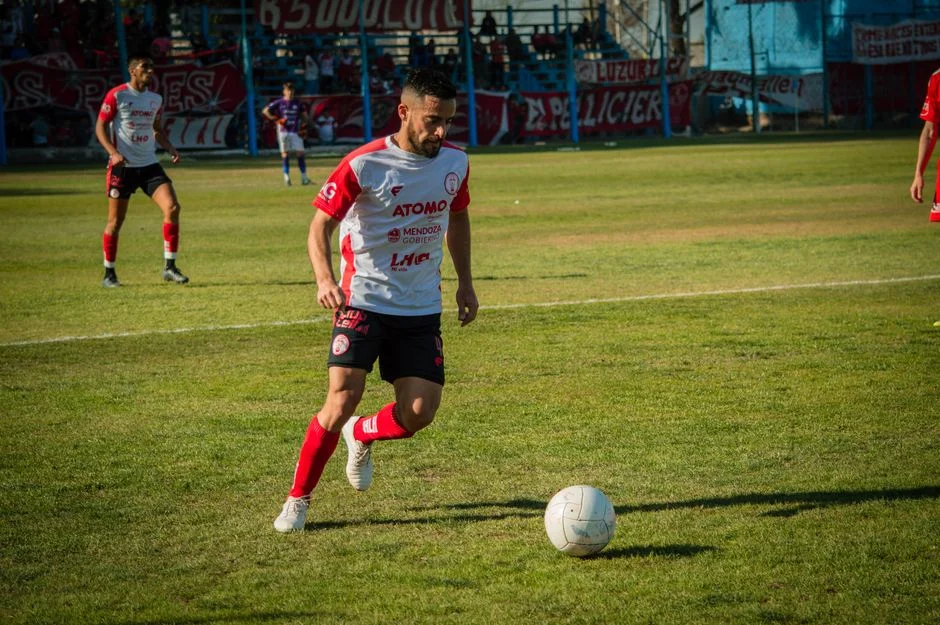
Egypt's elimination from the FIFA World Cup has sparked immediate reassessment among sponsors and investors who had banked on the Pharaohs' deep run to boost commercial visibility across African markets. The North African nation entered the tournament as continental favourites but departed at the group stage, leaving corporate partners to recalculate their sports marketing strategies for the region. Industry analysts say the premature exit carries measurable consequences for Egypt's image as a sporting and commercial hub.
Sponsorship Deals Under Pressure
Egypt's national team carried backing from several major brands that had structured campaigns around tournament progression. A group-stage elimination typically reduces a team's commercial exposure by roughly 70 percent compared to quarterfinal participation, according to sports marketing consultants who track African markets. Sponsors typically negotiate performance clauses that link payment to advancement milestones, meaning Egypt's early departure may trigger contract renegotiations or reduced payouts. The Egyptian Football Association relies heavily on these commercial arrangements to fund youth development programmes and infrastructure improvements at domestic clubs.
Tourism Projections Take a Hit
Egypt's tourism authority had anticipated that World Cup success would draw international visitors interested in combining tournament travel with historical site tours. Cairo's travel sector had prepared expanded capacity for the summer months, anticipating fans from Gulf states and Europe. A strong showing would have extended average visitor stays by several days, benefiting hotels, restaurants, and transport services. The early exit removes that uplift, though officials note that Egypt's tourism recovery remains driven by broader factors including currency stability and new archaeological discoveries rather than sporting outcomes alone.
Investor Sentiment and Market Reaction


Sports economists who study the connection between national team performance and equity markets note that Egypt's stock exchange showed minimal direct response to the elimination. Unlike major sporting nations where World Cup defeats correlate with short-term market volatility, Egypt's economy remains dominated by sectors such as remittances, the Suez Canal, and energy exports that bear little connection to football results. However, consumer discretionary stocks tied to sports media and merchandise experienced modest pressure in early trading following the exit. Regional fund managers indicated they were monitoring whether the disappointment might dampen domestic consumer confidence during the third quarter.
Regional Competitors Gain Ground
The elimination of one of Africa's highest-profile teams creates an opening for rival nations seeking sports investment and commercial partnerships. Morocco's run to the semi-finals in the previous tournament continues to generate ongoing sponsorship interest and infrastructure development. Countries such as Nigeria, Ghana, and South Africa stand to benefit from increased investor attention to African football markets as sponsors diversify their portfolios following unexpected results in Cairo.
Media Rights and Broadcasting Value
Egypt's participation typically drives significant viewership figures across the Middle East and North Africa, a region broadcasters prize for its young demographic profile and growing pay-television adoption. Early elimination reduces the total audience hours available to rights holders, potentially affecting advertising revenue projections for the tournament's African broadcast partners. Egyptian media companies had sold advertising inventory contingent on national team matches, and several firms face the prospect of honouring make-good commitments to brands that paid premium rates for World Cup exposure.
What Happens Next
The Egyptian Football Association faces pressure to demonstrate its development pathway ahead of the next African Cup of Nations and World Cup qualification cycle. A coaching review is expected within the coming weeks, with officials indicating they will seek candidates capable of rebuilding momentum. Sponsors and potential commercial partners will watch the association's response closely before committing to long-term partnerships. The next major decision point arrives with the qualification draw for the next World Cup cycle, which is scheduled to take place in the fourth quarter of the year.
See Also
- Gauteng Report Card Crisis: What It Reveals About Education Administration
- Durban Metro Police Charge Dog Owners After Fatal Attack on Child