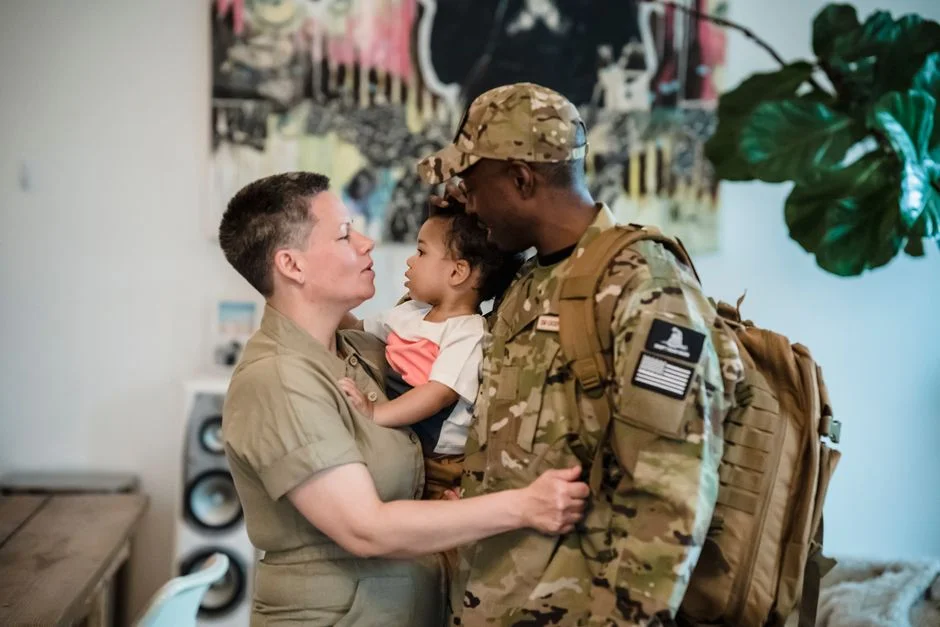
Washington has completed its withdrawal of American military personnel from Nigeria, concluding a joint counter-terrorism operation against Islamic State affiliates in the Sahel that lasted several years. The departure, finalised in December, leaves a gap in intelligence-sharing and aerial surveillance capabilities that Abuja is now scrambling to fill through alternative security arrangements.
Joint Mission Concludes After Years of Cooperation
The United States military presence in Nigeria had focused primarily on advising Nigerian forces and providing intelligence on Islamic State-West Africa Province movements. American personnel operated from bases in the northeast, where the group has staged attacks on civilian populations and military installations. Nigerian defence officials confirmed the withdrawal was completed in an orderly fashion, with equipment transferred according to pre-agreed protocols.
The mission had expanded significantly after 2019 when Islamic State increased its footprint in the Lake Chad Basin region. American drone surveillance and special operations advisory support became central to Nigeria's counter-insurgency strategy, though the relationship occasionally strained over human rights concerns raised by US legislators.
Security Vacuum Raises Alarm in Abuja
Nigerian military commanders face an immediate challenge maintaining the pressure on Islamic State cells without American technical support. The armed forces have announced plans to increase troop deployments to the northeast, but equipment shortages and training gaps remain persistent problems. Local media in Maiduguri report that military resupply convoys have already faced increased ambushes since the withdrawal announcement.
Regional neighbours are watching closely. Chad, Niger, and Cameroon have all relied on Nigerian intelligence channels that drew heavily from US surveillance networks. The Multinational Joint Task Force coordinating counter-terrorism operations across these nations is now assessing how to maintain shared situational awareness without American infrastructure.
Impact on Defence Contractors and Security Firms
Private security companies are already positioning to fill roles previously handled by US personnel. Firms providing armed escort services for oil industry infrastructure in the Niger Delta have noted increased inquiry volumes since the withdrawal became public. Defence manufacturers are separately marketing surveillance systems to Nigerian authorities as they seek to replicate capabilities previously provided under the American partnership.
The commercial implications extend to logistics and communications providers who supported the US mission. Local contractors in Abuja and Lagos that provided base services, fuel, and transportation report losing significant revenue streams tied to American military contracts.
Oil Markets React to Regional Instability Concerns
Nigeria's petroleum sector is particularly sensitive to security disruptions in the northeast. The region itself is not a major production area, but Islamic State activity has periodically disrupted supply routes connecting northern oil fields to export terminals on the coast. Brent crude futures showed modest movement following the withdrawal announcement, with traders citing uncertainty over future Nigerian counter-terrorism effectiveness.
Lagos-based investment analysts note that international energy companies operating in Nigeria have long factored security conditions into their operational decisions. Shell, TotalEnergies, and ExxonMobil all maintain facilities in regions where Islamic State affiliates operate, though their primary extraction operations remain in the southern Niger Delta and offshore fields.
The naira has weakened slightly against the dollar in recent weeks, which currency traders attribute partly to increased risk perceptions following the American departure. Nigeria's central bank has not announced any intervention to support the currency, though market observers expect monitoring of capital flows in the coming weeks.
Diplomatic Channels Remain Active
Despite the military withdrawal, American diplomatic representation in Nigeria continues operating normally. The US embassy in Abuja maintains its security cooperation dialogue with Nigerian counterparts, focusing on equipment transfers and training programmes that do not require American personnel to be embedded with Nigerian units. State Department officials have indicated willingness to continue providing intelligence through remote means.
Nigeria's foreign ministry has been working to diversify its security partnerships, with increased engagement with European nations and regional powers. France has offered expanded cooperation through its existing Sahel framework, while Britain has proposed enhanced training support through its military advisory missions in West Africa.
What Happens Next
Nigerian military officials are expected to request emergency budgetary allocations to cover additional operations costs stemming from the American departure. The national assembly in Abuja will review the defence ministry's supplemental funding proposal early in the new session. International donors supporting Nigeria's counter-terrorism efforts have indicated they will assess whether the withdrawal affects their own programme effectiveness before committing to continued support.
Markets will be watching Nigerian bond yields for signs of investor confidence erosion. The next quarterly earnings reports from major Nigerian banks will also provide signals about how lenders view economic risk amid the changed security landscape. Oil traders should monitor export terminal throughput figures from Bonny and Escravos over the coming weeks to gauge whether supply chain disruptions materialise.
See Also
- Athlete Profile: Wayde van Niekerk's Journey to Redemption
- World Cup 2026: South Africa Faces Canada in Group Stage Opener
What is the latest news about us exits nigeria after islamic state mission investors scan regional exposure?
Why does this matter for sports?
What are the key facts about us exits nigeria after islamic state mission investors scan regional exposure?