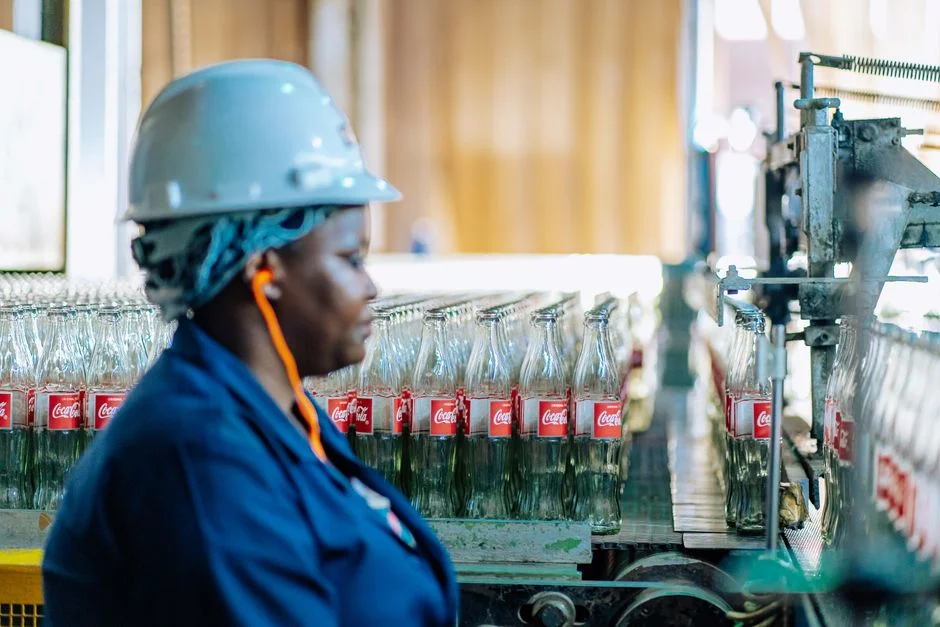
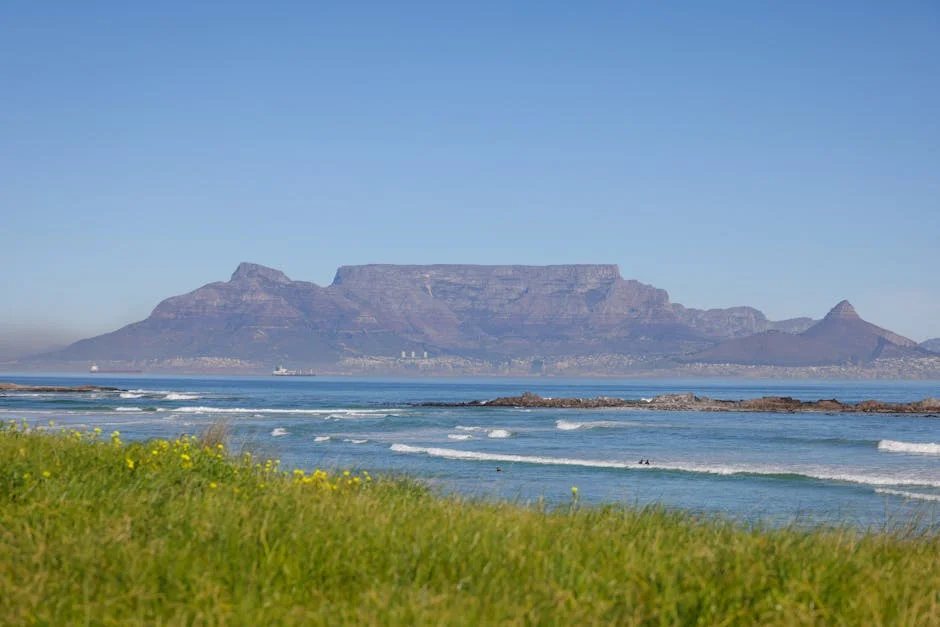
The Citizen's photographers fanned across South Africa on June 9, 2026, documenting a nation navigating persistent power shortages, volatile currency markets, and cautious investor sentiment. Their lenses captured everything from Johannesburg trading floors to Durban container terminals, producing a visual record that reads like an economic autopsy.
Power Constraints Crippling Industry
Eskom's load-shedding crisis dominated the morning shift. In Gauteng, rolling blackouts forced several manufacturing plants to halt production before noon. The state utility has struggled to maintain consistent output since the Koeberg nuclear station incident last year. Industrial consumers reported losses estimated in the tens of millions of rand during the single outage window captured at a Springs automotive parts facility.

The energy ministry faces mounting pressure to accelerate renewable procurement. Independent power producers have been waiting for cabinet approval on 5,000 megawatts of new solar and wind capacity. Industry groups warn that without decisive action, Eskom's infrastructure will continue deteriorating through the dry winter months ahead.
Currency Volatility on Display
The rand traded within a narrow band against the dollar throughout June 9, reflecting broader emerging market caution. The South African Reserve Bank's monetary policy committee had just concluded its May meeting with rates held steady at 7.25 percent, a decision that kept borrowing costs elevated for consumers and businesses alike.
Bank analysts in Sandton noted reduced trading volumes as global risk appetite wavered. Foreign portfolio outflows have accelerated in recent weeks as United States Federal Reserve signals kept dollar returns attractive. The SARB's forex reserves, currently standing at approximately $60 billion, provide a buffer against sudden currency pressure but offer no permanent solution to structural current account vulnerabilities.
Retail Sector Under Strain
Consumer-facing businesses bore the brunt of economic friction. Retail parks in the Western Cape showed mixed foot traffic on June 9, with discount stores drawing crowds while premium outlets reported subdued purchasing. Shoprite Holdings and Pick n Pay have both disclosed margin compression in recent quarterly reports, citing input cost inflation and weak disposable income growth.
Food price inflation remains a political flashpoint. The Pietermaritzburg Economic Justice and Dignity research group tracks food basket costs monthly, and their latest reading showed a family of five requiring approximately 4,800 rand per month for basic nutrition. That figure represents a 12 percent increase year-on-year, outpacing average wage growth and deepening food insecurity in low-income households.
Infrastructure Projects Move Forward

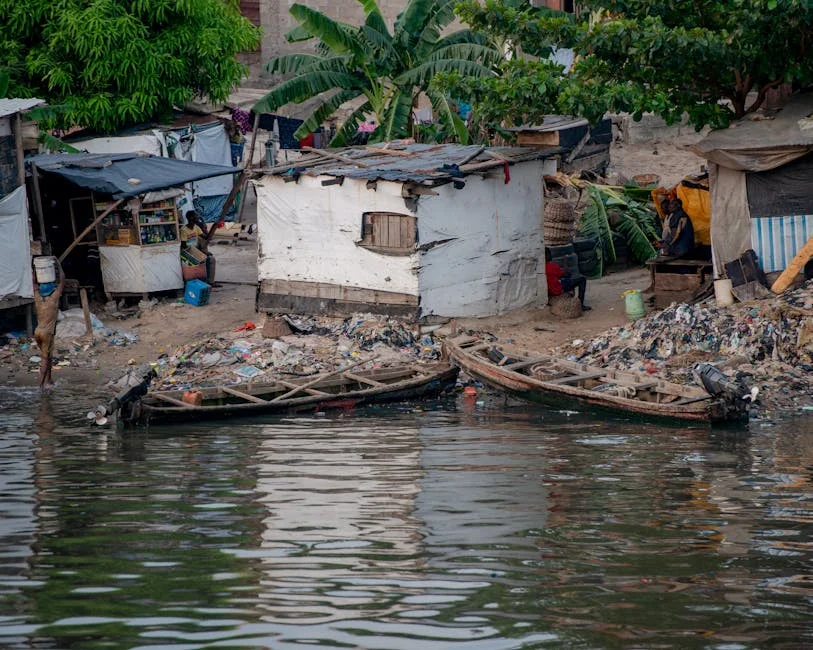
Despite headwinds, certain sectors demonstrated resilience. The Transnet National Ports Authority confirmed partial reopening of the Durban container terminal following months of security upgrades. The port handles roughly 60 percent of South Africa's trade volume, and its operational capacity directly influences export competitiveness for mining and agricultural producers.
The public-private partnership model for infrastructure development gained traction during June 9 site visits documented by The Citizen. The Gauteng provincial government signed memoranda of understanding with construction firms for three road rehabilitation projects valued at an estimated 2.3 billion rand. Employment creation targets attached to these contracts require local labour procurement, a provision that trade unions have long advocated.
Financial Markets React
The Johannesburg Stock Exchange closed June 9 with modest gains, led by mining counters benefiting from firmer platinum group metal prices. Sibanye-Stillwater and Anglo American Platinum both advanced, reflecting improved demand forecasts from automotive sector customers reducing internal combustion engine inventories. However, financial services stocks lagged, dragged down by concerns over credit growth and non-performing loan ratios at major retail banks.
Fixed income markets showed caution. Government bond yields ticked higher as inflation expectations remained elevated. The ten-year benchmark yield settled at 9.8 percent, a level that constrains fiscal flexibility for the national treasury. Debt servicing costs now consume approximately 18 percent of government revenue, crowding out capital expenditure on essential services.
What Comes Next
The photographs from June 9 tell a fragmented story. Power shortages, currency pressure, and strained consumer spending coexist alongside resilient port operations, targeted infrastructure investment, and pockets of commodity sector strength. The duality defies simple characterisation.
Markets will monitor the SARB's next policy signals closely. The July MPC meeting arrives before mid-year fiscal reviews, creating a window for coordinated monetary and fiscal messaging. Business confidence surveys due in late June will offer additional insight into whether investment intentions remain subdued or show signs of recovery. The next 72 hours should clarify whether June 9 marked a temporary snapshot or the beginning of a sustained shift in economic momentum.
See Also
- France Bets on Kenya In — Markets React to Colonial Shift
- Progress of the National Health Insurance: A Mixed Bag as South Africa Strives for Universal Healthcare
However, financial services stocks lagged, dragged down by concerns over credit growth and non-performing loan ratios at major retail banks.Fixed income markets showed caution. Sibanye-Stillwater and Anglo American Platinum both advanced, reflecting improved demand forecasts from automotive sector customers reducing internal combustion engine inventories.
What is the latest news about south africas economic pulse 24 hours captured in pictures?
Why does this matter for health-medicine?
What are the key facts about south africas economic pulse 24 hours captured in pictures?