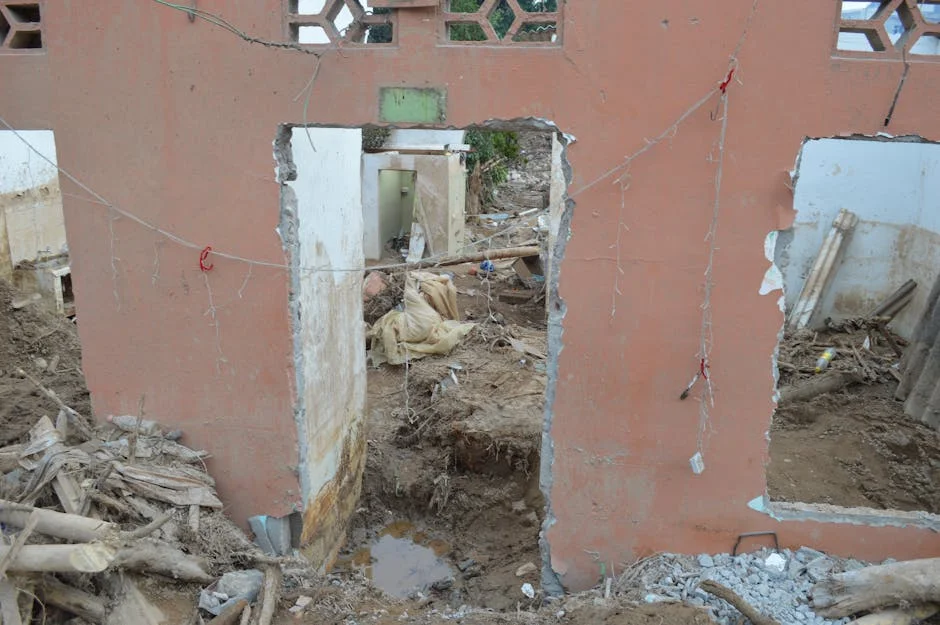
Severe storm surges have battered the coastlines of South Africa, triggering widespread flooding that threatens to disrupt critical supply chains and weigh heavily on investor confidence. The weather system, which made landfall on Wednesday, has already submerged key transport corridors in KwaZulu-Natal, forcing businesses to rethink their logistics strategies overnight.
This is not merely a meteorological event; it is an emerging economic shock. As water levels rise in Durban and surrounding industrial hubs, the immediate question for the Johannesburg Stock Exchange (JSE) and corporate boards is how quickly operations will return to normal. The financial implications extend far beyond temporary closures, potentially affecting everything from retail inventory to export timelines.
Immediate Disruption to Critical Infrastructure
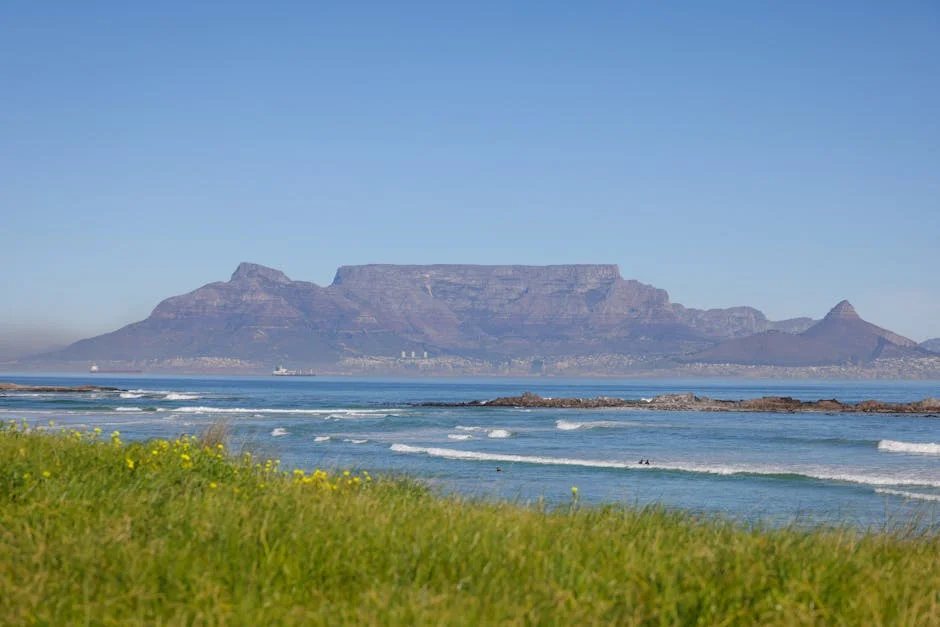
The most immediate economic blow comes from the paralysis of transport networks. The N2 highway, a vital artery connecting the Port of Durban to the Gauteng economic engine, has seen multiple sections submerged. This bottleneck directly impacts the just-in-time delivery models relied upon by manufacturers and retailers across the country.
Logistics firms are already reporting delays in trucking schedules, which translates to higher operational costs. When trucks sit idle in the rain or detour through congested secondary roads, fuel consumption rises and driver availability shrinks. These inefficiencies are quickly passed down the supply chain, leading to potential price hikes for consumers.
Port Operations Under Pressure
The Port of Durban, which handles roughly 40% of South Africa’s containerised cargo, faces significant operational hurdles. Storm surges often lead to temporary halts in loading and unloading activities due to visibility issues and the accumulation of debris on quaysides. Any delay at the port creates a ripple effect, causing ships to wait longer at anchor and increasing demurrage costs for shipping lines.
Shipping companies are closely monitoring the situation to adjust their schedules. If the port remains partially congested for more than 48 hours, we can expect a spike in freight rates for goods moving in and out of the region. This directly affects importers of raw materials and exporters of agricultural produce, such as citrus and maize.
Impact on the JSE and Sector Performance
Investors are reacting swiftly to the news, with specific sectors showing early signs of volatility. The JSE All Share Index (ALSI) often reacts to weather-related disruptions by adjusting valuations based on expected earnings revisions. Sectors such as consumer goods, industrial manufacturing, and insurance are under the microscope.
Insurance companies are particularly vulnerable. The recent surge in claims from previous weather events has already strained the reserves of major insurers. A new wave of flooding could trigger a fresh round of payouts, potentially squeezing profit margins for the quarter. Investors should watch the share prices of major insurers like Old Mutual and Discovery for early signals of market sentiment.
Conversely, some analysts suggest a short-term boost for construction and infrastructure firms. If the storm causes significant damage to roads, bridges, and commercial buildings, the government may accelerate capital expenditure projects to speed up repairs. This could lead to increased tenders for construction companies, providing a silver lining in an otherwise turbulent week.
Business Continuity and Supply Chain Risks


For businesses, the storm highlights the fragility of supply chains in a region prone to extreme weather events. Companies with warehouses in low-lying areas of KwaZulu-Natal are assessing the extent of inventory damage. Retailers, in particular, are concerned about the availability of stock in key shopping malls and distribution centres.
The automotive industry, which relies heavily on the port for both imports of components and exports of finished vehicles, is also on alert. Delays in the arrival of just-in-time components can halt production lines, leading to costly idle time for factories in the Eastern Cape and Gauteng. Automakers are likely to invoke force majeure clauses in supplier contracts to mitigate financial losses.
Small and medium enterprises (SMEs) often bear the brunt of such disruptions due to their limited cash reserves. A week of reduced foot traffic in flooded shopping centres can significantly impact monthly turnover. Government support mechanisms and bank credit lines may become crucial for SMEs looking to bridge the gap until normal trading resumes.
Energy Sector Vulnerabilities
The energy sector faces its own set of challenges. Heavy rainfall and high winds can affect both thermal and renewable energy generation. Coal mines in Mpumalanga, while further inland, can experience logistical delays in getting coal to power stations if roads are flooded. This could exacerbate the existing load-shedding crisis if Eskom’s supply chain is disrupted.
Wind farms in the Western Cape and KwaZulu-Natal may also see temporary output fluctuations due to high wind speeds or maintenance needs. While wind energy benefits from strong winds, excessive force can trigger automatic shut-offs to protect turbines. Investors in renewable energy companies should monitor output data closely to assess the impact on quarterly revenue.
Grid Stability Concerns
Power lines are particularly susceptible to storm damage. Fallen trees and debris can cause short circuits, leading to localized blackouts. For industries that rely on uninterrupted power supply, such as data centres and cold storage facilities, this increases the reliance on diesel generators, thereby raising operational costs. The cost of diesel, which has been volatile globally, adds another layer of expense for businesses.
Agricultural Sector Under the Microscope
Agriculture is one of the most weather-sensitive sectors in South Africa. The timing of the storm is critical. If it coincides with the harvesting season for key crops like citrus or maize, the impact on yield and quality can be substantial. Excess moisture can lead to fruit rotting on the tree or grain moulding in the silo, reducing the overall marketable produce.
Export-oriented farmers are particularly anxious. The global market for South African citrus is competitive, and any delay in getting produce to the port can result in quality degradation. This could affect contract fulfilment and potentially lead to price negotiations with international buyers. Farmers are also concerned about the health of livestock, which may be affected by flooding in pastures and the availability of fodder.
Investment Perspective and Market Sentiment
From an investment perspective, the storm serves as a stress test for corporate resilience. Companies with robust business continuity plans and diversified supply chains are likely to weather the storm better than their peers. Investors are increasingly factoring in climate risk when valuing assets, leading to a re-evaluation of exposure to weather-vulnerable sectors.
The bond market may also react if the government announces emergency spending to address the aftermath. Increased borrowing to fund infrastructure repairs can put upward pressure on interest rates, which affects the cost of capital for businesses. This, in turn, can influence consumer spending power, as mortgage and loan repayments become more expensive.
Foreign investors are watching closely to see how South Africa manages the crisis. Efficient response and minimal long-term disruption can bolster confidence in the country’s operational efficiency. Conversely, prolonged bottlenecks could lead to a risk premium being added to South African assets, affecting currency stability and equity valuations.
What to Watch Next
In the coming days, investors and business leaders should monitor the official statements from the KwaZulu-Natal Department of Transport regarding the reopening of key highways. The speed of road repairs will be a key indicator of how quickly supply chains can normalize. Additionally, watch for updates from the Port of Durban on berth availability and ship turnaround times.
Keep an eye on the JSE sector indices, particularly for insurance, logistics, and consumer goods companies. Any significant stock price movements will provide insight into how the market is pricing in the economic impact. Finally, monitor the South African Reserve Bank’s commentary on inflation and interest rates in the aftermath of the storm, as energy and transport costs are likely to feed into the broader price index.
See Also
- Chelle Confident as Nigeria's Unity Cup Final Sparks Business Hopes
- West Africa Ebola Outbreak Triggers $2.7 Billion Economic Hit
If it coincides with the harvesting season for key crops like citrus or maize, the impact on yield and quality can be substantial. The speed of road repairs will be a key indicator of how quickly supply chains can normalize.