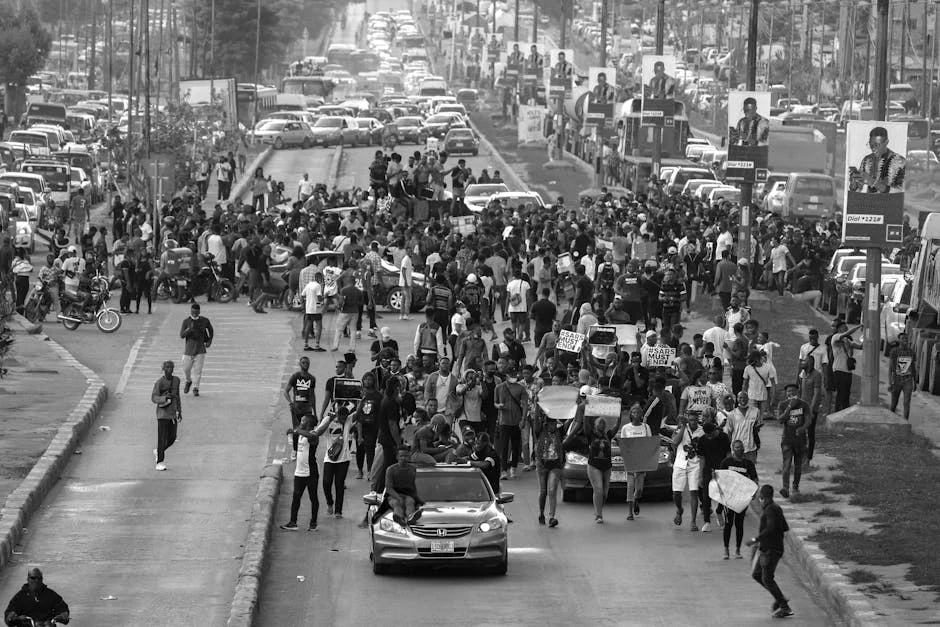
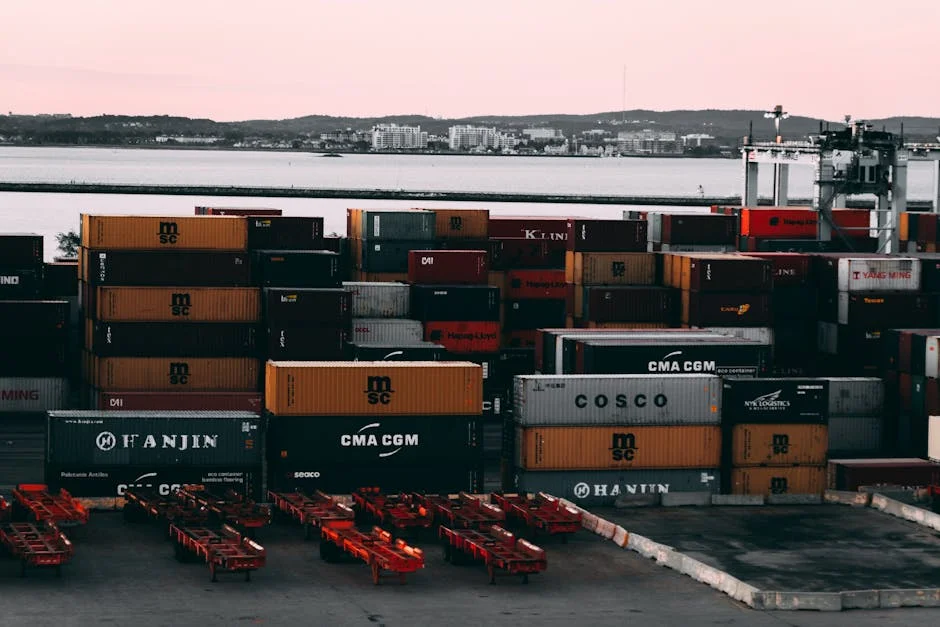
Armed groups swept through South African neighbourhoods this week, going door-to-door in search of migrants, forcing hundreds to abandon their homes in scenes that recalled the worst episodes of xenophobic violence to hit the continent's most industrialised economy. Witnesses described organised mobs moving through townships with lists or tips from neighbours, targeting foreign nationals from Zimbabwe, Mozambique, and Somalia. The violence has rattled business confidence in Africa's largest economy at a time when growth forecasts were already under pressure.
Economic Climate Already Fragile
South Africa's economy has been limping along with unemployment above 30 percent and growth projections revised downward by the World Bank in recent months. The timing of this outbreak could not be worse for President Cyril Ramaphosa's administration, which has been trying to attract the foreign direct investment the country desperately needs to create jobs. Business Unity South Africa, the country's most powerful business lobby, issued a statement warning that violence targeting foreign nationals damages the nation's international reputation and deters the very investment the country needs.
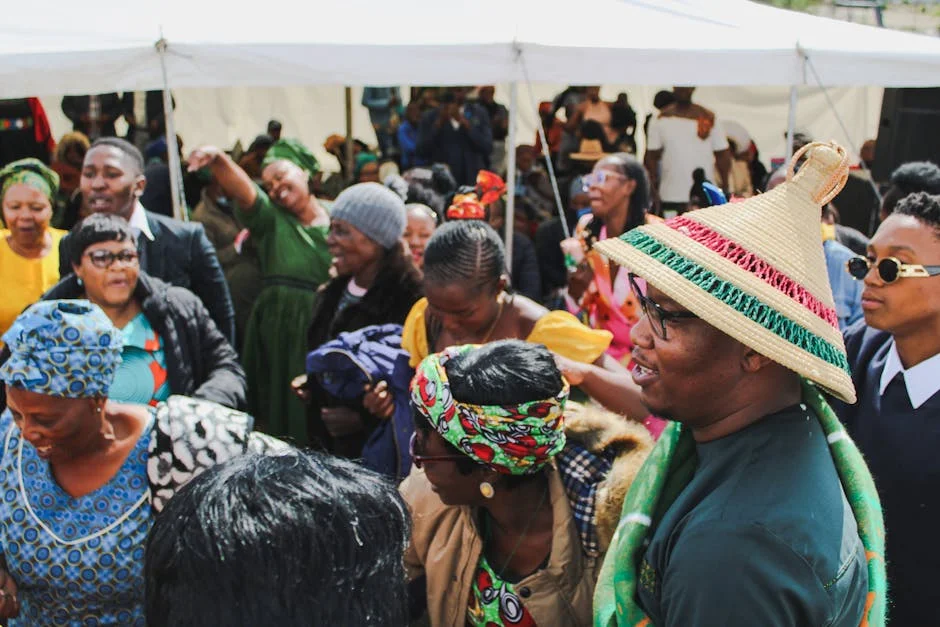
Local retailers and informal traders in affected areas have reported sharp drops in sales as consumers stay home and cross-border commerce through Johannesburg's informal markets has all but halted. The Johannesburg Stock Exchange fell in early trading following news of the violence, with analysts pointing to the impact on consumer confidence in already depressed township economies.
Labour Market Implications
Migrant workers form a significant part of South Africa's agricultural and construction sectors, particularly in the Gauteng and KwaZulu-Natal provinces. Farmers in rural areas have already reported workers fleeing their jobs, raising concerns about harvest schedules and ongoing construction projects that rely on foreign labour. The South African Revenue Service may also see a short-term contraction in tax collections from businesses forced to close temporarily in affected zones.
Foreign Investment at a Crossroads
International investors have been watching South Africa's reform programme with cautious optimism, but successive waves of xenophobic violence have historically coincided with capital outflows. The rand weakened against the dollar on the news, reflecting investor unease. Embassies of countries whose nationals were targeted have issued emergency advisories, and some business councils are reportedly considering travel warnings that could affect corporate relocation decisions and conference bookings in Johannesburg.
South Africa's reputation as an investment destination competes with Nigeria, Kenya, and Egypt for emerging market capital. Each incident of communal violence refreshes the debate among fund managers about whether the country belongs in the same category as its more stable peers. The United Nations High Commissioner for Refugees called on the South African government to protect all civilians, regardless of nationality.
Government Response Under Scrutiny

The police force deployed units to several flashpoints, but critics argue the response has been slower than in previous episodes. The Ministry of Police has not yet published arrest figures, and community organisations say they have been left to organise their own protection. Human rights groups have documented the targeting of Somali-owned spaza shops and Ethiopian restaurants, many of which have been looted or burned.
The African Union issued a rare public statement expressing concern and calling for accountability. For the Ramaphosa government, which came to power partly on promises of inclusive growth and rule of law, the violence presents an immediate political and economic crisis that demands a visible response. The financial markets will be watching for the size and speed of the policing deployment, as well as any announcements about compensation for affected businesses.
What Happens Next
The immediate humanitarian crisis continues as temporary shelters fill beyond capacity in Pretoria and Durban. The South African Red Cross reported providing assistance to more than a thousand displaced people in the first 48 hours alone. Religious and civil society organisations have opened community halls, but supplies are running thin.
What investors and business leaders should watch over the coming week is whether the government declares a formal state of emergency in affected areas, whether the Reserve Bank issues a statement on currency stability, and whether major trading partners recall ambassadors or issue formal travel advisories. Any of these developments would signal that the economic fallout is deepening beyond the immediate affected communities.
What is the latest news about south africa antimigrant mobs force hundreds from homes business leaders sound alarm?
Why does this matter for health-medicine?
What are the key facts about south africa antimigrant mobs force hundreds from homes business leaders sound alarm?