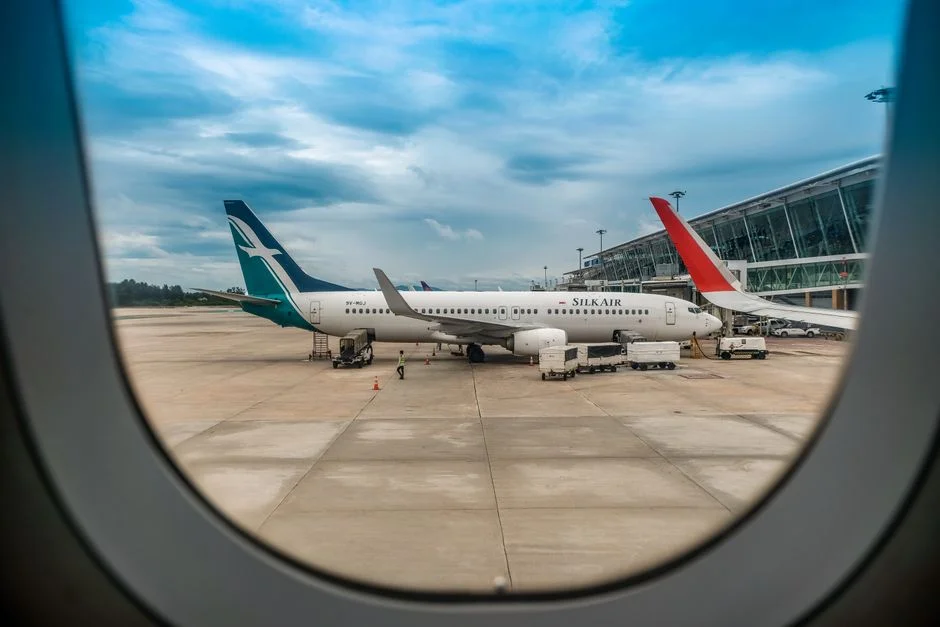
Nigeria's federal government has confirmed it will deploy aircraft to evacuate citizens from South Africa following a surge in xenophobic violence that has targeted Nigerian nationals and other African immigrants. Officials announced that the screening process for those seeking to leave has been concluded, clearing the way for evacuation flights to begin.
Violence Forces Emergency Response
The wave of attacks began in earnest across several South African cities, prompting Nigeria to activate emergency protocols for its diaspora community. Nigerian embassy staff in Pretoria and Johannesburg have been coordinating with local authorities to identify and register citizens wishing to return home. The federal government confirmed multiple aircraft have been placed on standby for the operation.
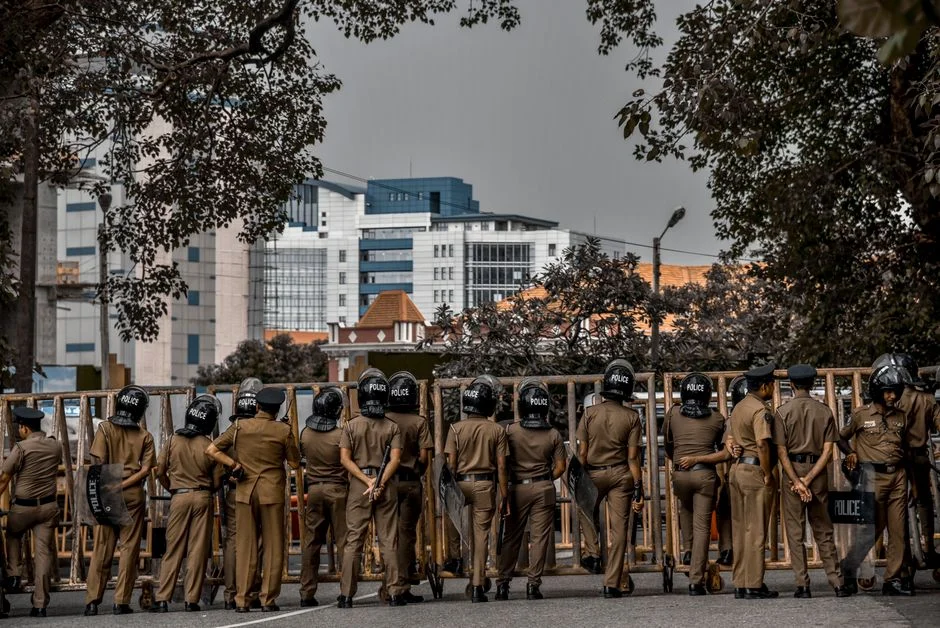
South Africa's national police service has deployed additional units to affected areas, including Johannesburg's Alexandra township and parts of Durban, in an attempt to stem further violence. At least 20 people have been killed in the unrest, with hundreds more displaced from their homes and businesses.
Economic Fallout for South Africa
The xenophobic violence carries significant implications for South Africa's economy, which has been battling sluggish growth and rising unemployment. Foreign investors have begun monitoring the situation closely, with some multinational corporations reassessing their presence in the country. The timing is particularly damaging given efforts to attract capital inflows amid a depreciating rand.
Nigerian businesses operating in South Africa, ranging from retail chains to telecommunications firms, have suspended operations in affected zones. Insurance claims are expected to surge in the coming weeks as damage assessments conclude. The violence also threatens to disrupt the Southern African Development Community trade relationships that underpin regional commerce.
Impact on Bilateral Trade Relations
Nigeria and South Africa together account for over $3 billion in annual bilateral trade, making the relationship one of the most significant on the continent. Nigerian-owned enterprises in South Africa employ thousands of local workers, and the destruction of these operations represents a direct hit to employment in already struggling communities.
Nigeria's high commission in Pretoria has urged the South African government to provide enhanced security for foreign nationals. Trade officials in Abuja are weighing whether the crisis will require a formal diplomatic response beyond the evacuation operation, potentially affecting future investment agreements.
Regional Dimension of the Crisis


The violence has drawn reactions across Southern Africa, with several countries issuing travel advisories for South Africa. Zimbabwe, Mozambique, and Tanzania have all reported concerns about their own diaspora communities. The African Union has called for calm and urged South African authorities to protect all nationals regardless of origin.
South Africa's reputation as a stable democracy and regional economic hub is now under scrutiny. The attacks follow a familiar pattern seen in previous xenophobic outbreaks in 2008 and 2015, raising questions about the government's ability to prevent recurring cycles of violence targeting immigrants from other African nations.
Evacuation Logistics Underway
Nigerian citizens seeking repatriation have undergone processing at designated centers in Johannesburg and Cape Town. The screening verified documentation and identified those with urgent medical or humanitarian needs. Air peace and other carriers are expected to operate the repatriation flights, with initial departures scheduled from Oliver Tambo International Airport.
The Nigerian diaspora in South Africa numbers approximately 30,000, though not all are expected to seek immediate evacuation. Community leaders have reported that many Nigerians are reluctant to abandon businesses and property but feel they have no choice given the escalating attacks.
What Comes Next
The immediate priority remains completing the evacuation safely. Nigerian officials have promised to assist citizens in recovering belongings and documentation left behind. Beyond the emergency phase, Abuja is expected to push for a stronger African Union framework to protect migrants across the continent.
For South Africa, the economic damage may prove lasting if investor confidence continues to erode. Business groups have urged the government to launch a national campaign addressing xenophobia, warning that repeated outbreaks could deter foreign direct investment for years to come. Markets will be watching for any further deterioration in security conditions, which could accelerate capital outflows from Johannesburg's exchange.
See Also
- Zuma Trial Resumes — Markets Watch Legal Uncertainty
- Reform Candidate Quits After Nazi Salute Incident — Shockwaves Across UK Politics
Zimbabwe, Mozambique, and Tanzania have all reported concerns about their own diaspora communities. Beyond the emergency phase, Abuja is expected to push for a stronger African Union framework to protect migrants across the continent.For South Africa, the economic damage may prove lasting if investor confidence continues to erode.