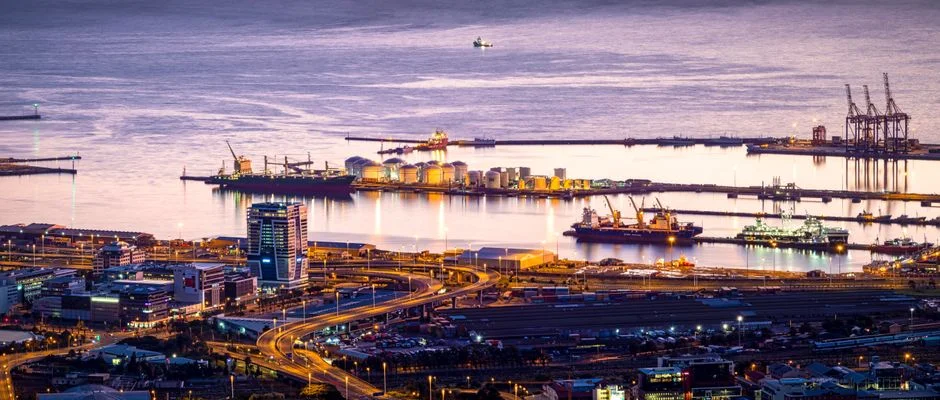
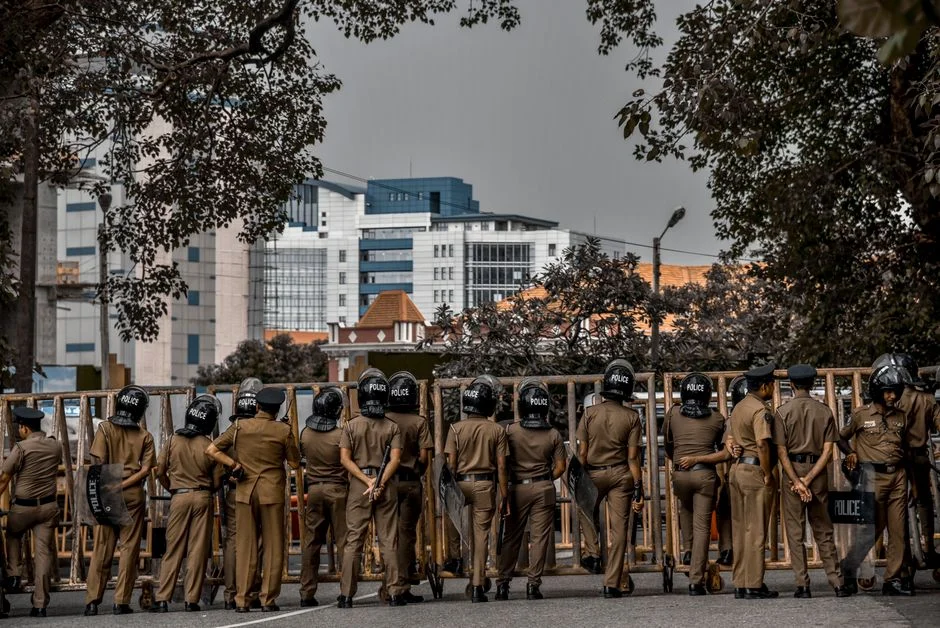
Hundreds of displaced migrants boarded buses and trains Thursday, departing South Africa's Western Cape province in the wake of xenophobic attacks that have swept through Cape Town's townships. The exodus marks one of the largest population movements triggered by anti-foreigner violence in the country's recent history. Those leaving include vendors, factory workers, and construction employees who had built lives in the province over several years.
Violence Forces Mass Departure
The attacks began in earnest during the previous week, targeting shops and homes owned by migrants from neighbouring countries. Local authorities confirmed that at least three people died and dozens more were injured as mobs set fire to informal settlements near the city centre. Witnesses described scenes of families fleeing with only what they could carry, boarding transport arranged by humanitarian groups and embassies representing their home nations.
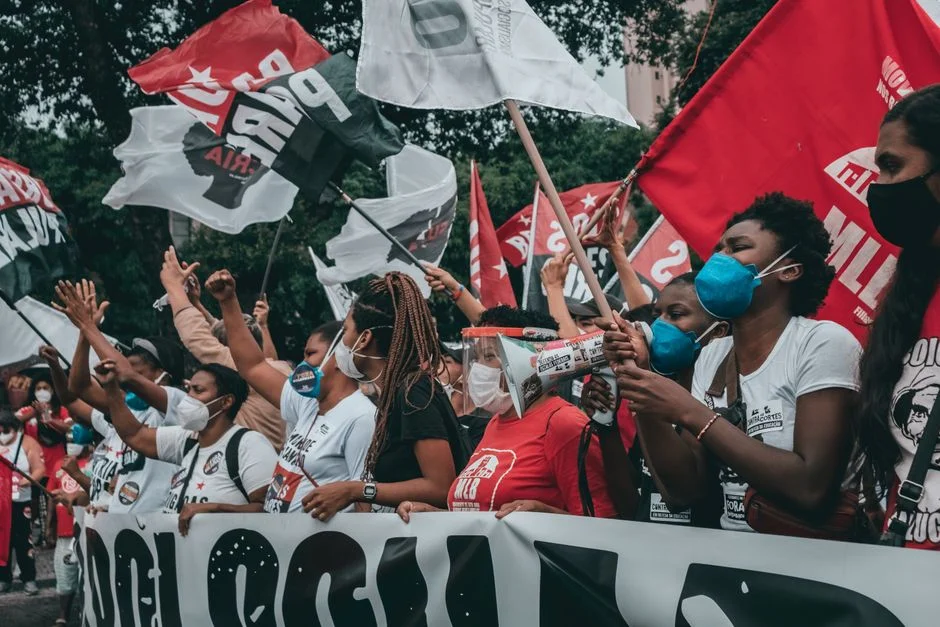
The Western Cape has long been a destination for migrants seeking work in the agricultural sector. Wine farms and fruit processing plants in particular have relied heavily on foreign labour. With those workers now gone, farmers in the Hex River Valley and other key growing regions face an acute shortage of harvest hands just weeks before the peak picking season begins.
Labour Shortage Hits Key Sectors
Agriculture contributes roughly 2.5 percent to South Africa's gross domestic product, but its importance to rural communities extends far beyond that figure. Farmers in the Breede Valley told local media they had already received cancellation notices from contractors who supplied migrant crews. One wine estate owner near Franschhoek said he had lost twelve permanent workers in a single week.
The hospitality industry faces similar pressure. Hotels and restaurants in Cape Town have reported staffing disruptions as front-line employees from Zimbabwe, Mozambique, and elsewhere chose to leave rather than risk further violence. Industry body South Africa Tourism has not issued a formal statement, but private briefings to government officials reportedly described the situation as deeply concerning for the upcoming summer season.
Supply Chain Ripples Expected
Beyond direct job losses, economists warn of knock-on effects across supply chains. Farm input suppliers, transport operators, and packhouses all depend on consistent workforce levels. A shortfall in the Western Cape harvest could tighten domestic supply of table grapes and citrus, commodities that South Africa exports to European and Asian markets. The rand faces additional scrutiny if agricultural output falls short of forecasts, analysts note.
Business Confidence Takes a Hit


Investor sentiment toward South Africa has wavered for months amid persistent power cuts and weak growth. The xenophobic violence adds a fresh layer of uncertainty for capital allocators weighing whether to commit funds to the country. The Johannesburg Stock Exchange's retail and consumer sectors showed muted movement Thursday, but traders said underlying nervousness was evident in longer-term bond yields.
Foreign direct investment approvals from the Department of Trade, Industry and Competition have already slowed this year. A senior official speaking on background told reporters that missions to promote South Africa as an investment destination had become more difficult to arrange following the attacks. Potential partners from Nigeria and Kenya, two key markets for South African banks and telecoms firms, have raised concerns about the safety of their nationals.
Government Response Under Scrutiny
The national government deployed additional police officers to the Western Cape following an emergency cabinet meeting. President Cyril Ramaphosa condemned the violence in a televised address, calling it a betrayal of South Africa's constitutional values. His office announced a task force to coordinate law enforcement and humanitarian relief, though critics argue the response has been too slow to prevent the mass displacement now underway.
Provincial authorities in the Western Cape have requested federal funding to rebuild damaged businesses and rehouse displaced residents. Provincial finance minister Mireille Wenger confirmed that emergency budget reallocations were being considered, but declined to specify figures ahead of cabinet approval. The provincial government estimates the unrest has caused property damage exceeding fifty million rand, though that figure remains preliminary.
What Happens Next
Humanitarian organisations are working to register those who wish to return to their home countries. The International Organization for Migration has activated response protocols, and embassies from Zimbabwe, Mozambique, and Malawi have set up hotlines for citizens seeking assistance. Repatriation flights are expected to begin within the next fortnight, pending security assessments of affected areas.
For South Africa's economy, the immediate test will be whether the harvest season can proceed without sufficient labour. The agriculture department has promised to fast-track permits for seasonal workers from other provinces, but farm owners say local South Africans have historically shown limited interest in farm work. Market participants should watch commodity price reports from the Western Cape due for release in six weeks for early signs of supply disruption. The rand's trajectory against the US dollar will offer another barometer of how investors are pricing the economic fallout.
See Also
- Global Study Reveals Human-Induced Chemicals in Oceans Threaten African Coastal Communities
- South Africa's Constitutional Court Dismisses Employment Equity Challenges — Firms Brace for Impact