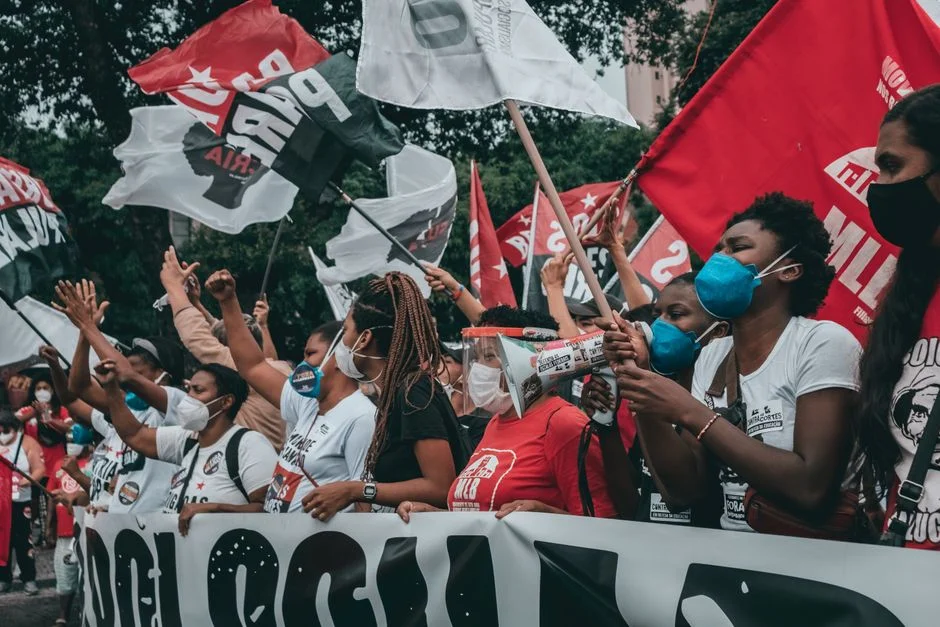
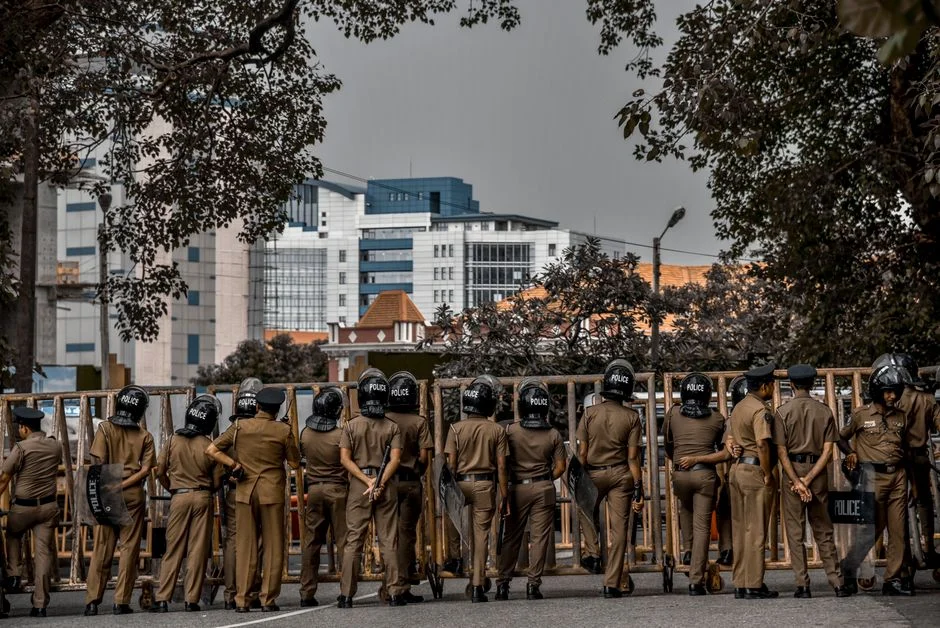
South African police arrested more than 900 people during a wave of antimigrant demonstrations that swept through major cities this week, disrupting commerce and alarming investors already nervous about the country's slowing economy. The protests, which turned violent in several townships, forced businesses to close and Supply chains serving informal traders to stall. Authorities deployed the army in three provinces as property was destroyed and foreign-owned shops were looted.
Police Operation Nets Over 900 Detainees
The South African Police Service confirmed that 923 people had been detained across Gauteng, KwaZulu-Natal, and the Western Cape since the protests began. Officers used rubber bullets and water cannons to disperse crowds in Johannesburg's Alexandra township and in Durban, where footage showed smoke billowing from burning shelters near a major highway. The Ministry of Police said those arrested faced charges including public violence, theft, and arson. A police spokesperson told reporters that checkpoints had been set up on roads leading into industrial zones to prevent further looting.
Economic Consequences Spread Beyond Protest Sites
The unrest hit South Africa's retail and wholesale sectors hard. Informal traders in Johannesburg's Faraday Street market, a hub for goods destined for neighbouring countries, reported losses exceeding millions of rand after vendors fled their stalls. Shipping delays at the Durban Port, where container throughput fell by an estimated 12 percent during the worst of the unrest, added costs that analysts said would filter through to consumers within weeks. The Johannesburg Stock Exchange's retail index dropped 3.4 percent on Wednesday as investors weighed the damage to consumer-facing companies. Economists warned that the disruptions would Weigh on third-quarter growth figures due later this year.
Investor Sentiment Takes a Hit
Foreign investors monitoring South Africa's fiscal challenges reacted sharply to the images of burning buildings and mass arrests. The rand weakened by 1.8 percent against the dollar in two days of trading. Rating agency Fitch, which already rates South Africa just above junk status, flagged the protests as a symptom of deeper structural problems constraining the economy. Business Unity South Africa, the country's largest employers' federation, called for urgent talks with the government, warning that prolonged instability would deter the foreign direct investment the nation desperately needs to reduce unemployment, which sits above 32 percent.
migrant communities bear the Brunt


Many of those targeted in the protests were migrants from Zimbabwe, Mozambique, and Bangladesh who run small businesses or work in South Africa's vast informal economy. In Cape Town's Khayelitsha township, Somali-owned spaza shops were torched, putting hundreds of local workers out of employment overnight. The United Nations High Commissioner for Refugees issued a statement expressing concern for the safety of displaced migrants, noting that at least 200 people had sought shelter in police stations. The South African Human Rights Commission said it would investigate whether security forces had used excessive force against peaceful bystanders.
Government Faces Pressure to Restore Order
President Cyril Ramaphosa cut short a visit to the United Nations General Assembly to return to Pretoria, where he chaired an emergency cabinet meeting. The presidency released a statement condemning violence on all sides and announced a R500 million emergency fund to help affected businesses rebuild. Trade unions representing formal sector workers urged calm, but warned that continued unrest would accelerate job losses in manufacturing, where factories rely on both local and migrant labour. The National Economic Development and Labour Council said it would convene a special session next week to discuss the impact on labour markets.
What Happens Next
Courts in Johannesburg and Durban began hearing bail applications for some of the 923 detainees, but officials warned that the process could take months given the volume of cases. The government has promised a joint task force involving police, labour inspectors, and community leaders to prevent a repeat of the violence. Analysts at Nedbank Economics said the immediate risk to the economy centred on consumer confidence, which surveys showed had already fallen to a six-month low before the protests. Businesses in affected areas face a difficult choice between rebuilding quickly and waiting to see whether tensions subside. The next two weeks will test whether South Africa can restore stability before the economic damage spreads further into sectors still recovering from pandemic-era losses.
See Also
- Outgunned Exposes Child-Hunting Gang in Angola: What It Means for South Africa
- Follow Exposes Repeated Exploitation of Creative Programs — Here's What It Means