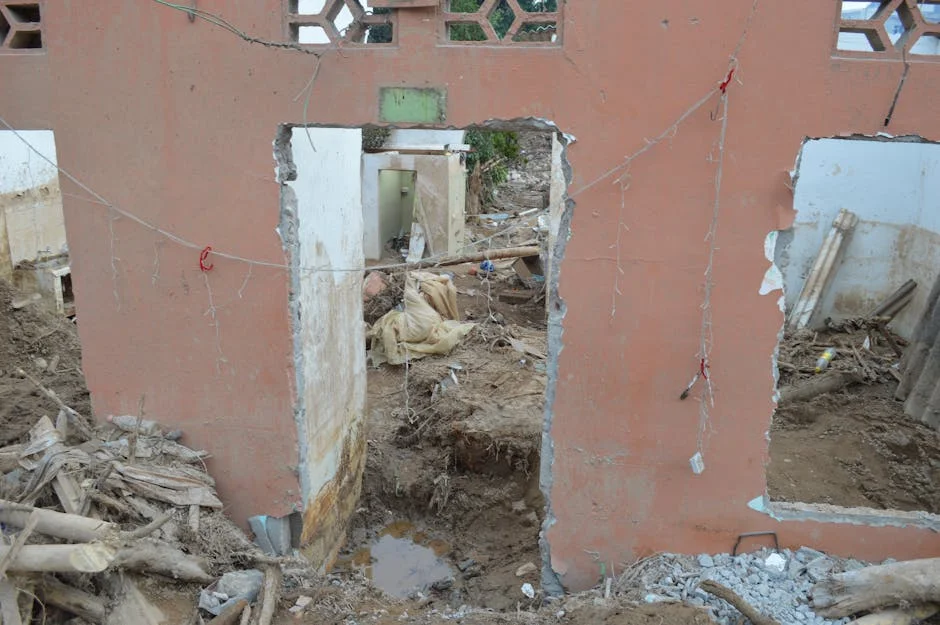
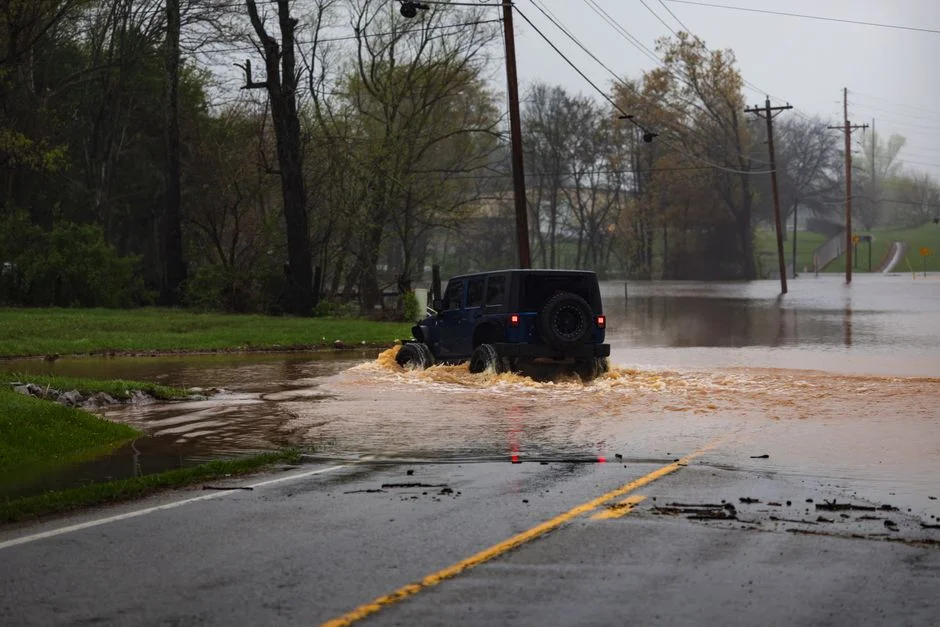
Scientists have issued an urgent warning that a major El Niño event is developing in the Pacific, with Southern Africa poised to bear the first and hardest consequences. Climate researchers say the phenomenon, expected to peak in the coming months, could devastate agricultural output, strain energy supplies, and push food prices sharply higher across the region.
What El Niño Means for Southern Africa
El Niño is a warming of ocean surface temperatures in the central and eastern Pacific that disrupts global weather patterns. For Southern Africa, it typically brings drier conditions during the rainy season from November to March, reducing soil moisture and cutting crop yields. The last severe El Niño struck in 2015 and 2016, triggering widespread drought across South Africa, Zimbabwe, and Mozambique.
The pattern threatens a region still recovering from consecutive years of uneven rainfall. Agricultural analysts say maize production, the staple food for millions of households, faces particular risk. South Africa produces roughly 15 million tonnes of maize in an average year, but output could drop by 20 percent or more if El Niño conditions take hold during critical planting and growing months.
Markets React to Climate Warning
Commodity traders have begun pricing in the risk. White maize futures on the South African Futures Exchange rose sharply in recent sessions as forecasts grew more alarming. Agricultural companies with operations in the region are reviewing contingency plans, while food manufacturers are reportedly securing inventory ahead of potential shortages.
The rand has also shown sensitivity to the news. Currency markets tend to punish emerging market assets when drought risks rise, since poor harvests reduce export earnings and strain foreign exchange reserves. South Africa's central bank will be watching grain price movements closely as it assesses inflation prospects for the year ahead.
Energy Sector Faces Pressure Too
Hydropower generation across the Zambezi River basin, which supplies electricity to Zambia, Zimbabwe, and Mozambique, depends heavily on adequate rainfall. Reduced runoff into the Kariba and Cahora Bassa reservoirs would force those countries to increase imports of coal-fired power from South Africa, adding to already stretched public utilities and potentially triggering electricity price increases.
South Africa's state-owned Eskom, already battling financial difficulties, would face additional demand pressure if regional neighbours need to draw on its grid. The utility's diesel-powered open-cycle gas turbines, used during peak demand periods, are expensive to run and contribute to higher electricity costs for all consumers.
Humanitarian Concerns Mount


Relief agencies are watching the situation with growing alarm. The World Food Programme estimates that food insecurity already affects more than 30 million people across Southern Africa even in non-drought years. An El Niño-driven supply shock could push that figure substantially higher, overwhelming aid programmes that depend on stable domestic production to keep market prices affordable.
Vulnerable households in rural areas face the greatest risk. Subsistence farmers, who rely on rain-fed agriculture to feed their families, have limited capacity to absorb production losses. Without early intervention from governments and NGOs, the climate event could trigger displacement and migration pressures in the hardest-hit areas.
Economic Implications Stretch Beyond Agriculture
The insurance sector is already assessing exposure. Crop failure claims in affected regions would likely surge if drought conditions materialise, putting pressure on agricultural insurers who have already faced elevated claims in recent years. Reinsurance firms that back local insurers may need to increase reserves, raising costs that eventually flow through to farmers.
Consumer price inflation in South Africa, which the South African Reserve Bank targets at between 3 and 6 percent annually, could breach the upper bound if food prices climb significantly in the first half of next year. That would complicate the central bank's monetary policy decisions at a time when growth remains fragile.
Governments Prepare Responses
South Africa's Department of Agriculture, Land Reform and Rural Development has indicated it is reviewing emergency grain reserve levels and coordinating with provincial governments on drought preparedness measures. The department declined to provide specific figures on reserve stocks but said contingency planning is underway.
Regional bodies including the Southern African Development Community are monitoring forecasts and have begun discussions about coordinated responses. Early action, officials say, is critical because response times for agricultural interventions are measured in weeks, not months, once drought conditions take hold.
What Comes Next
Climatologists at the International Research Institute for Climate and Society say sea surface temperature readings in the Pacific will determine whether El Niño strengthens or fizzles in the coming six to eight weeks. The next major forecast update is expected in mid-November, when the World Meteorological Organization will publish its seasonal assessment.
Markets and governments alike will be watching that report closely. If it confirms a strong El Niño event, expect immediate pressure on grain prices, further rand weakness, and emergency declarations from national governments. The window for preventive action is narrowing fast.
See Also
- UNICEF Warns of $380bn Education Loss in Africa by 2050
- Nova Validates 118 New Exoplanets in Major Space Breakthrough
What is the latest news about el niño threatens southern africa scientists warn of impending crisis?
Why does this matter for environment-nature?
What are the key facts about el niño threatens southern africa scientists warn of impending crisis?