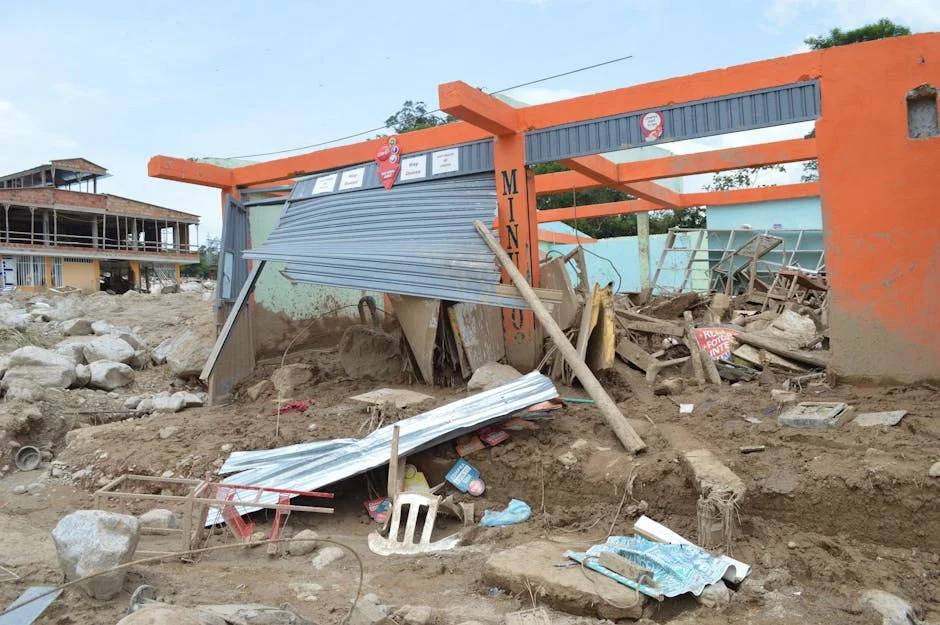
UNICEF has projected that climate change could cost Africa $380 billion in lost education earnings by 2050, with South Africa among the most vulnerable nations. The report, released ahead of the UN Climate Change Conference, highlights how rising temperatures, droughts, and extreme weather events are disrupting school systems and reducing long-term economic potential. The findings come as South Africa grapples with a worsening climate crisis, with the Department of Education already reporting increased school closures due to heatwaves and water shortages.
Climate Impacts on Education and Economic Growth
The UNICEF report estimates that by 2050, climate-related disruptions could lead to a 12% drop in the number of children completing secondary education in sub-Saharan Africa. This decline would significantly reduce the region’s future workforce productivity, with economic losses projected to exceed $380 billion. South Africa, which has already experienced a 20% increase in extreme heat events since 2000, faces a particularly dire outlook. The report warns that without urgent action, the country’s economic growth could be stifled by a less educated and less skilled population.

Climate change is also forcing families to prioritize immediate survival over education. In regions like Limpopo and KwaZulu-Natal, where droughts have hit hard, many children are being pulled from school to help with farming or domestic work. The Department of Education’s latest data shows a 15% rise in school dropouts in these areas over the past three years. This trend could lead to a generation of undereducated workers, limiting South Africa’s ability to compete in the global economy.
Investor and Business Concerns
Investors are beginning to take notice of the long-term risks posed by climate-induced education losses. According to a recent analysis by the South African Investment Institute, sectors reliant on skilled labor—such as technology and manufacturing—are particularly at risk. The report suggests that a less educated workforce could reduce the country’s attractiveness to foreign direct investment, with some firms already considering relocating operations to countries with more stable educational systems.
Business leaders are also voicing concerns. Sipho Mthethwa, CEO of the South African Chamber of Commerce, said, “A poorly educated workforce is a major risk for economic growth. Companies are investing in training programs, but it’s not enough. We need systemic change to address the root causes of this crisis.” He called for increased public-private partnerships to improve school infrastructure and provide climate resilience training for teachers and students.
Government Response and Challenges


The South African government has pledged to address the issue, with the Department of Education launching a climate adaptation program in 2023. The initiative includes building more resilient school facilities and integrating climate education into the curriculum. However, budget constraints and bureaucratic delays have slowed progress. A recent audit by the National Treasury found that only 40% of allocated funds for climate-resilient schools had been spent by the end of 2023.
Experts argue that the government needs to act faster. Dr. Noma Mokoena, a climate economist at the University of Cape Town, said, “The economic cost of inaction is too high. We need to invest in education now to prevent long-term damage to our economy.” She added that South Africa’s current climate policies are not aligned with the scale of the challenge, and more funding and political will are needed to bridge the gap.
What to Watch Next
The upcoming UN Climate Change Conference in November will be a critical moment for global leaders to address the education crisis. South Africa’s delegation is expected to push for increased international support for climate adaptation programs in education. Meanwhile, the Department of Education has set a target to complete 50 new climate-resilient schools by 2025. Investors and businesses will be closely watching how effectively these initiatives are implemented, as the long-term health of the economy depends on it.
See Also
- Canada Seeks Oil Opportunity in West Asia as Global Crisis Deepens - Carney
- Centre Demands Report on Odisha Tree Felling Plan