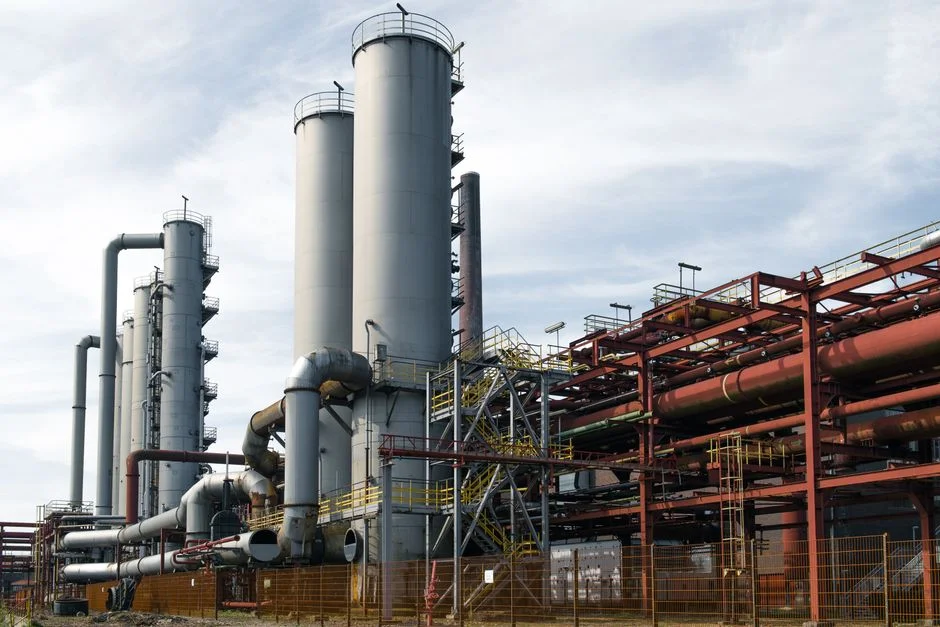
The Nigerian Upstream Petroleum Regulatory Commission confirmed on Tuesday that oil and gas production will continue uninterrupted as strike action grips parts of the country's energy sector. Commission CEO Engr. Gbenga Komolafe issued the assurance in Abuja, telling stakeholders that contingency measures are in place across key producing regions. The statement came as labour unions pressed ahead with industrial action over wage disputes, raising questions about supply reliability in West Africa's largest producer.
Regulator Defends Production Capacity
Komolafe said the NUPRC has activated emergency protocols at major oil fields in the Niger Delta, where roughly 90% of Nigeria's crude output originates. These protocols involve maximising output from non-strike affected facilities and rerouting production from operational units. The commission's statement noted that gas supply to power plants remains within target parameters for the current billing cycle. Industry observers have flagged potential bottlenecks if the strike extends beyond seven days, but Komolafe rejected that timeline as pessimistic.
Operational Contingencies in the Niger Delta
Sources within the industry indicated that several International Oil Companies operating in Nigeria, including Chevron Nigeria Limited and TotalEnergies EP Nigeria, have confirmed their facilities remain operational. These companies represent a combined output capacity of approximately 800,000 barrels per day. The NUPRC's field monitoring teams are conducting daily assessments across Bonny Island, Escravos, and the Bonga floating production facility to verify production continuity. Komolafe confirmed that export terminals at Forcados and Qua Iboe are currently loading vessels as scheduled.
Market Reaction and Import Dependency
Brent crude futures showed minimal movement in Asian trading on Wednesday, reflecting investor confidence in the NUPRC's assurances. Nigeria produces roughly 1.5 million barrels of crude oil daily, making it Africa's largest producer and a significant supplier to European and Asian refineries. South Africa's fuel importers, already navigating currency pressures, will be monitoring these developments closely. The country sources approximately 40% of its crude oil imports from Nigeria under long-term supply agreements. Any sustained disruption would force refiners to seek replacement cargoes at higher spot market prices.
Labour Dispute Roots and Stakes

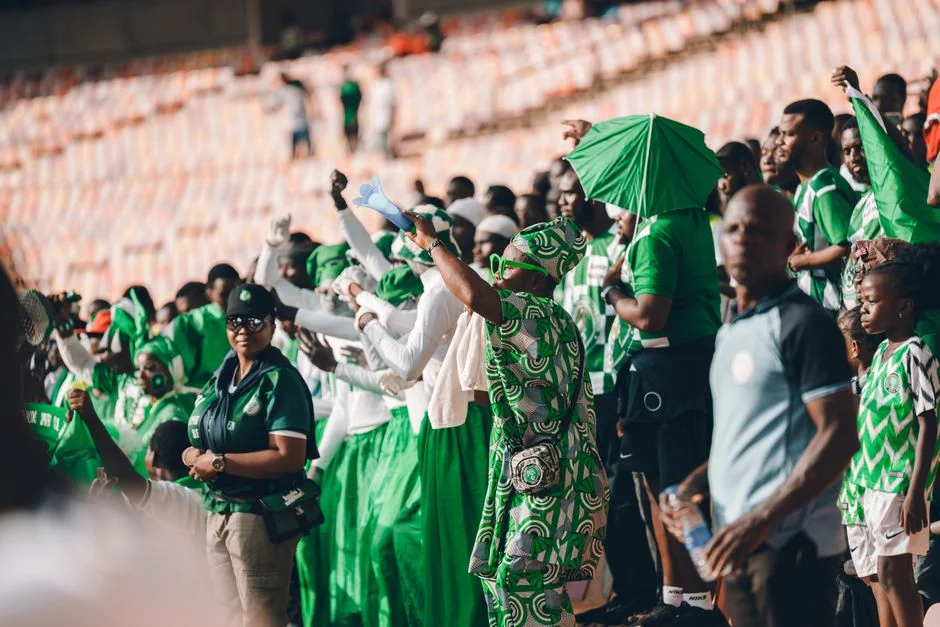
The strike stems from a dispute between the Nigeria Labour Congress and federal government negotiators over public sector salary adjustments. Union leaders argue that inflation has eroded worker purchasing power by more than 20% over the past 18 months. The government's last formal counter-proposal fell short of union demands by an estimated 15%, according to figures released by the labour ministry last week. Workers across state-owned enterprises, including the Nigerian National Petroleum Company Limited, have joined the action in solidarity. The NLC has warned of escalations if talks do not resume within 72 hours.
Investor Confidence Under Scrutiny
Foreign investors in Nigeria's oil sector have expressed cautious optimism following the NUPRC's statement, but analysts warn that prolonged industrial action could dent sentiment. The Petroleum Industry Act of 2021 brought renewed interest from international oil companies seeking clarity on fiscal terms. Any perception that production continuity cannot be guaranteed risks undermining that progress. Komolafe acknowledged this concern directly, stating that the commission's priority is demonstrating regulatory reliability to both domestic and foreign stakeholders. Energy sector analysts in Lagos noted that the NUPRC's swift response contrasts with previous incidents where production disruptions went unaddressed for weeks.
Regional Energy Security Implications
West African neighbours Ghana and Ivory Coast also maintain oil trade links with Nigeria, though less extensive than South Africa's exposure. Regional fuel traders in Port Harcourt have already reported a slight uptick in wholesale diesel prices, citing uncertainty premiums rather than actual supply shortages. The West African Petroleum Refiners Association issued a brief note advising members to maintain 14-day inventory buffers as a precautionary measure. The African Refiners and Distributors Association will hold an emergency virtual session on Thursday to assess preparedness across member nations.
What Happens Next
The federal government has invited labour leaders to a fresh round of negotiations scheduled for Friday in Abuja. The outcome of those talks will determine whether the NUPRC's production assurances hold or require revision. Markets will be watching the engagement closely, as any breakdown could trigger a spike in regional fuel prices within days. The commission has pledged to issue daily production updates until the dispute resolves, a practice that stakeholders say signals improved transparency compared to past crises. The next 72 hours will test whether Nigeria's oil sector can indeed maintain steady output under labour pressure, and whether the NUPRC's institutional guarantees carry real weight.
See Also
- South Africa's Trade Deficit Surges — Currency Takes Hit
- Africa Faces Repeat Pandemic Risks — Global Supply Chains Remain at Stake
The NLC has warned of escalations if talks do not resume within 72 hours.Investor Confidence Under ScrutinyForeign investors in Nigeria's oil sector have expressed cautious optimism following the NUPRC's statement, but analysts warn that prolonged industrial action could dent sentiment. Komolafe acknowledged this concern directly, stating that the commission's priority is demonstrating regulatory reliability to both domestic and foreign stakeholders.