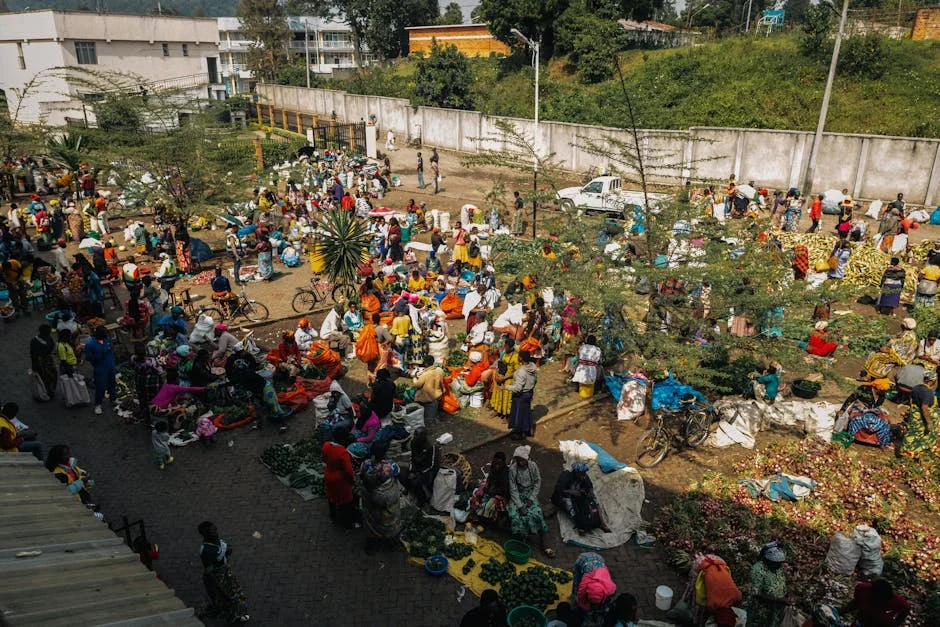
A recent report from the African Union (AU) reveals alarming gaps in pandemic preparedness across the continent and beyond. The findings suggest that Africa, home to over 1.3 billion people, remains perilously vulnerable to future pandemics, which poses significant risks to global markets and investment climates. Released on October 10, 2023, this analysis sheds light on both the systemic issues within African healthcare systems and the broader economic implications for businesses worldwide.
Pandemic Preparedness: A Global Overview
According to the AU, only 50% of African nations have developed comprehensive pandemic preparedness plans as of late 2023. In contrast, most developed nations have established robust frameworks to deal with health crises. This deficiency starkly highlights a global disparity in readiness and resource allocation, particularly when considering the interconnected nature of global supply chains. The lack of readiness can lead to disruptions that affect markets, businesses, and investors.
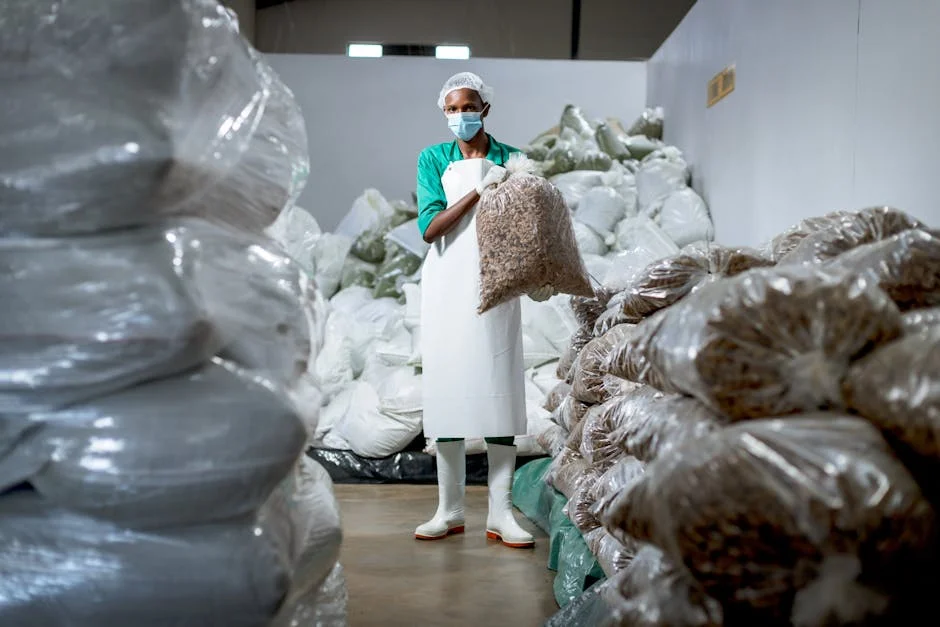
The repercussions of poor pandemic preparedness are manifold. Investors often seek stability; however, ongoing vulnerabilities can deter foreign investment into African markets. This hesitancy can be detrimental to local businesses reliant on foreign capital for growth, ultimately slowing economic recovery and development in the region.
The Economic Implications for Africa
As businesses continue to navigate the aftermath of COVID-19, the AU's report indicates that without significant investment in health infrastructure and crisis management, the potential for economic downturn looms large. The African economy contracted by approximately 2.1% in 2020 as a direct result of the pandemic, and a similar situation could arise if preventive measures are not enhanced.
Health authorities and ministries across the continent are urged to prioritise healthcare reforms that ensure readiness for future outbreaks. Investments in technology, healthcare professionals, and logistical frameworks will be crucial in mitigating potential economic losses.
Market Reactions and Business Strategies


Market analysts have already noted fluctuations in stock prices following the AU's report. Companies engaged in healthcare and pharmaceuticals saw a temporary surge as investors sought to capitalise on potential opportunities in the sector. Businesses that supply essential goods are also preparing themselves for possible market volatility, adjusting their strategies to account for increased demand during health crises.
Firms with diversified supply chains are better poised to manage the risks associated with pandemics. This adaptability can provide a competitive edge in uncertain environments, encouraging firms to invest in logistics and technology that enhance operational flexibility.
Investors’ Perspectives
Investors are increasingly aware of the potential risks associated with inadequate health systems. They are looking for assurances that companies are implementing robust risk management strategies. The AU's findings may push investors to favour companies demonstrating strong health and safety protocols, particularly in high-risk regions.
At the same time, sectors such as technology and telehealth may see significant growth as businesses pivot to enhance their digital offerings, fuelling interest from venture capitalists and other investors. This shift could reshape investment trends towards more sustainable and health-conscious business models.
Global Responsibilities and Future Steps
The world must acknowledge the lessons learned during the COVID-19 pandemic to avoid similar pitfalls in the future. International partnerships and aid will be critical in supporting African nations as they develop and implement effective pandemic response frameworks. The WHO and other global health organisations must work collaboratively with African governments to strengthen public health systems.
Moreover, a concerted effort is needed to ensure that economic recovery is inclusive, addressing inequalities that have been exacerbated by the pandemic. Sustainable investment in health infrastructure should be prioritised, as it not only protects populations but also secures economic stability.
What to Watch Next
As Africa and the global community reflect on their pandemic preparedness, attention should be turned towards upcoming meetings of the AU and WHO, scheduled for early December. These discussions will shape future strategies and funding allocations aimed at bolstering health systems across the continent. Stakeholders from both the public and private sectors should closely monitor these developments, as they will have profound implications for economic growth and stability in the years to come.
See Also
- Ebola Survivor’s Lesson Triggers Urgent Shift in West African Health Economics
- AI Health Bots Surge — What It Means for SA Markets
The AU's findings may push investors to favour companies demonstrating strong health and safety protocols, particularly in high-risk regions.At the same time, sectors such as technology and telehealth may see significant growth as businesses pivot to enhance their digital offerings, fuelling interest from venture capitalists and other investors. This shift could reshape investment trends towards more sustainable and health-conscious business models.Global Responsibilities and Future StepsThe world must acknowledge the lessons learned during the COVID-19 pandemic to avoid similar pitfalls in the future.