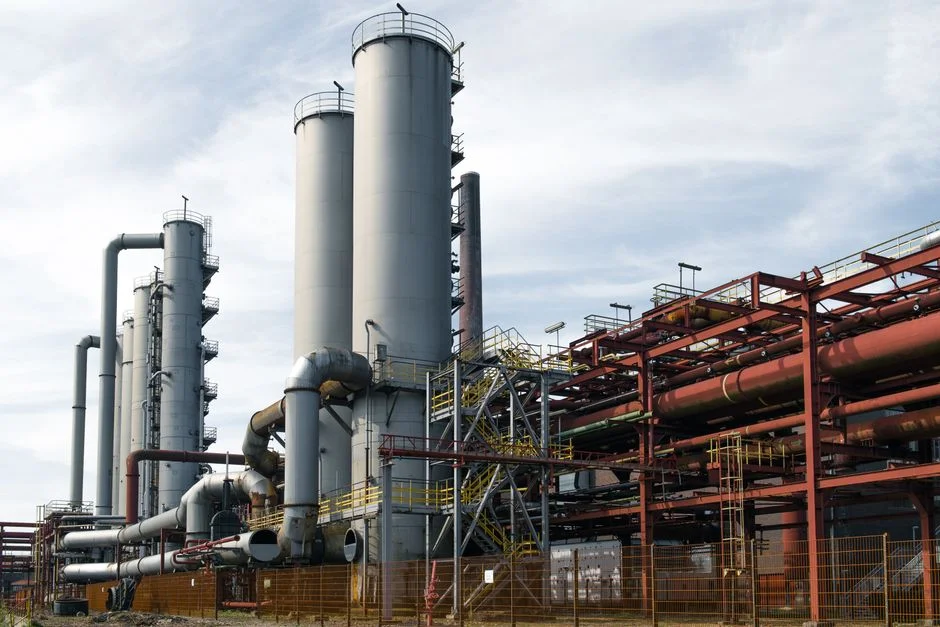
Nigeria's oil industry is experiencing a renaissance as European nations ramp up imports to meet energy demands. The Niger Delta, once synonymous with crude oil paradoxes, is now a focal point for refined energy supplies. Following the Nigerian government's announcement to boost refinery capacity by 50% by the end of 2024, European markets are already reacting with increased interest.
Nigerian Refinery Expansion Plans
The Nigerian National Petroleum Corporation (NNPC) confirmed plans to enhance the capacity of its refineries in Port Harcourt and Warri. By increasing daily output from 450,000 barrels to 675,000 barrels, the NNPC aims to alleviate domestic shortages and cater to growing European demand. NNPC Group Managing Director Mele Kyari stated, "We are committed to making Nigeria self-sufficient in fuel production while also tapping into lucrative export opportunities."
This move comes as European countries face energy supply challenges, particularly in the wake of geopolitical tensions affecting oil supplies from Eastern Europe. Nigeria's strategic position as an emerging oil exporter has drawn renewed interest from European investors, eager to diversify their sources amid rising prices.
Market Reactions and Economic Implications
In response to Nigeria's refinery expansion, Brent crude prices have stabilised at approximately $87 per barrel, down from earlier spikes. Analysts are noting a correlation between Nigeria's plans and the broader European energy market. A report released by the International Energy Agency (IEA) indicated that European oil imports from Nigeria could increase by as much as 30% in the next year.
Investors are keenly observing these developments, as Nigeria seeks to strengthen its position in a competitive energy landscape. The refinery upgrades are expected to attract $4.2 billion in foreign direct investment, signalling confidence in Nigeria's economic recovery strategy.
Challenges Within the Niger Delta


Despite these promising developments, challenges remain in the Niger Delta region. Security concerns have historically plagued oil operations, leading to disruptions and losses. The ongoing militancy and sabotage issues have prompted the Nigerian government to ramp up military presence in the region.
Trade unions are also voicing concerns about the environmental impact of increased oil production. The Environmental Rights Action group has urged the NNPC to adopt sustainable practices as refinery output rises. Addressing these issues will be critical for ensuring both domestic stability and international investor confidence.
European Nations and their Interests
As European countries grapple with reducing dependency on traditional oil suppliers, Nigeria's refineries offer a viable alternative. Nations such as Germany and France are reportedly in discussions with Nigerian officials to secure long-term oil supply agreements. These talks signify a strategic pivot that could redefine energy supply chains in Europe.
The potential of Nigerian oil is not just in its quantity but also in its refining capability. Enhanced outputs allow for lower shipping costs, making Nigerian crude increasingly attractive to European buyers.
What Lies Ahead: Upcoming Developments
Looking forward, the spotlight will be on the upcoming multinational energy summit scheduled for March 2024 in Abuja. This event will gather European and African energy ministers to discuss collaboration on energy security and investment opportunities.
The outcomes of this summit could significantly shape the future relationship between Nigeria and European markets. Investors will closely monitor negotiations and any commitments made towards enhancing energy cooperation, which will directly influence market dynamics in the coming months.
See Also
- SA Floods Trigger Market Shock as Western Cape Grapples with Economic Fallout
- Awuzie Links Africa's Physical and Digital Insecurity — Markets React