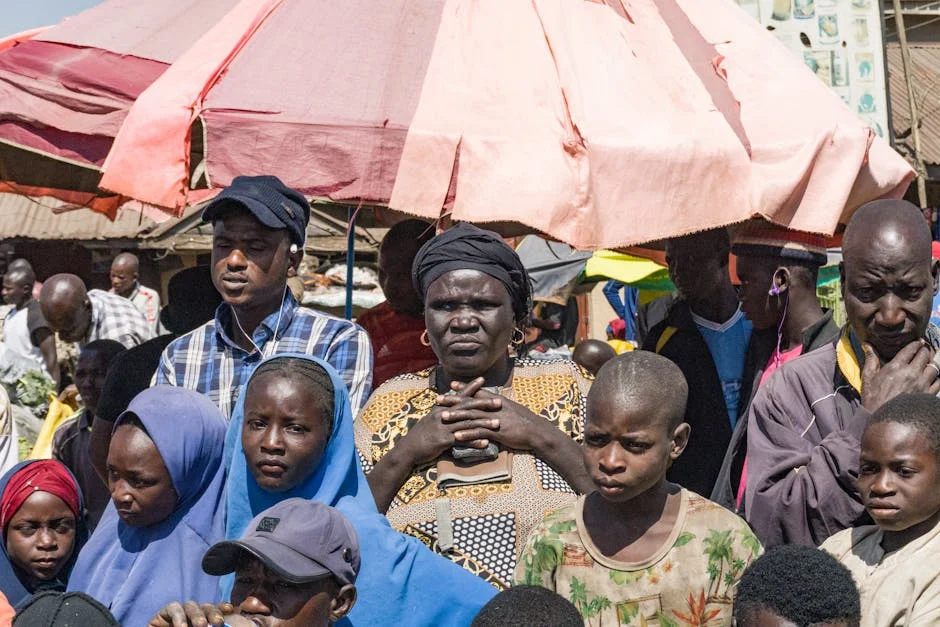
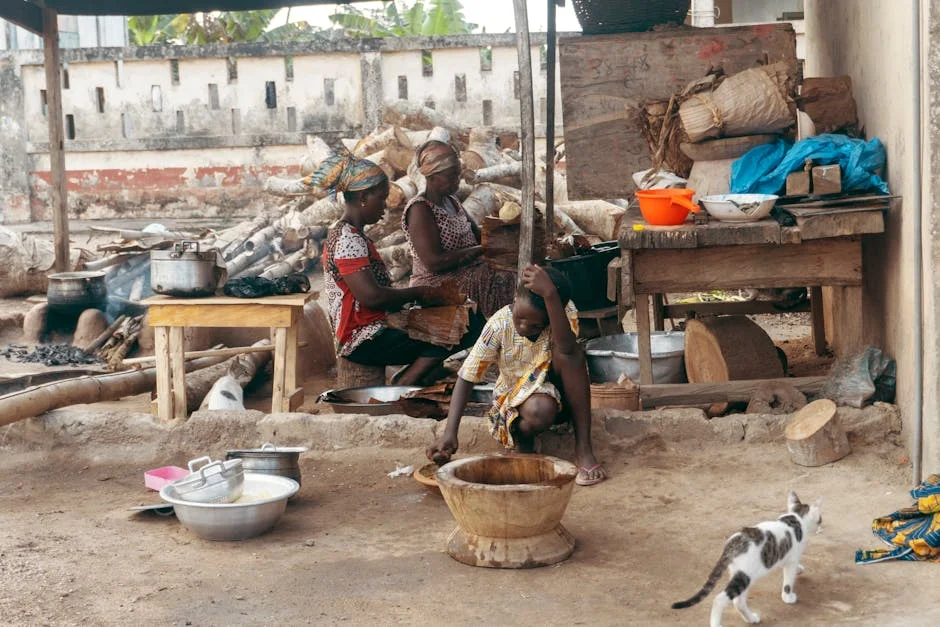
Three years after the African Continental Free Trade Area began operating, a familiar proverb has found new resonance among trade ministers in Addis Ababa. "A rooster is not expected to crow for the whole world" — and increasingly, African nations are behaving accordingly. The continent has stopped waiting for global powers to solve its problems and started building solutions among themselves.
From Rhetoric to Results
The shift is measurable. Intra-African trade reached $500 million in the latest quarterly reporting period, according to the African Union's trade department. That figure represents a 25% increase from the same period two years ago. The numbers remain modest compared to Africa's trade with Europe or China, but the trajectory points in one direction: inward.
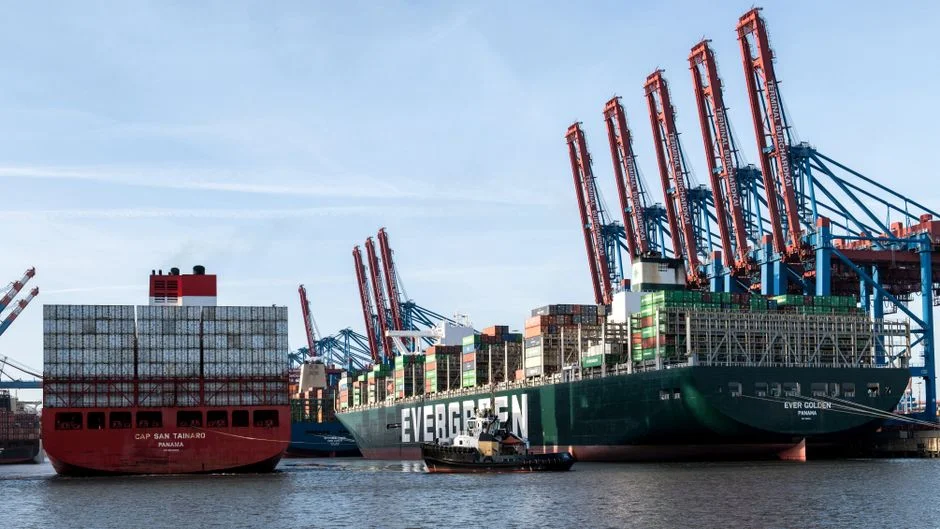
South Africa's Trade and Industry Minister, Parks Tau, told delegates at the AfCFTA summit in Nairobi that regional supply chains were no longer optional. "We cannot rely on external markets that change course when elections change governments," he said. "The rooster principle is sound economics, not isolation."
What Changed After 2023
The catalyst was not dramatic. No single crisis forced Africa's hand. Instead, a series of supply disruptions between 2022 and 2024 — shipping delays, export restrictions from major partners, currency volatility — revealed how exposed African manufacturers remained. Companies in Lagos, Johannesburg, and Accra began sourcing components from within the continent because it became simply more reliable.
Industrial policy has followed. Ghana extended tariff exemptions on inputs from fellow AfCFTA members last month. Kenya's horticulture exporters reported that rail freight to the port of Mombasa from neighbouring Tanzania now carries three times more volume than in 2022. The continent is building redundancy into its own systems.
Business Adapts to the New Reality
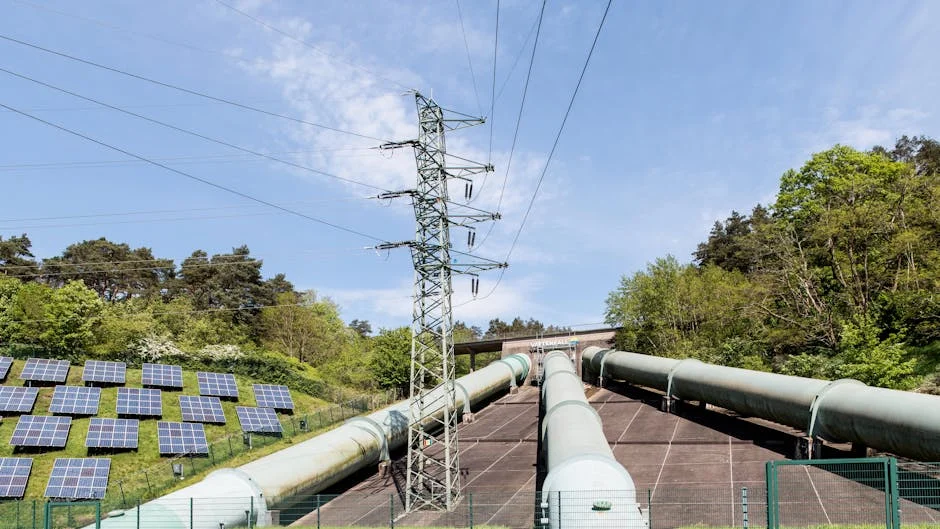

Multinational companies operating in Africa have taken notice. Manufacturers in the automotive sector, particularly those with plants in the Eastern Cape province of South Africa, have begun restructuring supplier networks. Instead of importing subcomponents from Asia, firms like Volkswagen South Africa are increasingly contracting workshops in Namibia and Mozambique.
Banking groups have moved fastest. Three of Africa's largest lenders — Standard Chartered, Ecobank, and Absa — reported significant growth in cross-border payment volumes within the continent over the past 18 months. Transaction fees between member states have dropped since AfCFTA protocols took effect, making regional banking more attractive for mid-sized businesses.
Where the Gaps Remain
Critics argue the progress is uneven. Trade facilitation — the paperwork, customs delays, and regulatory inconsistencies that make cross-border commerce difficult — remains a persistent problem. A World Bank survey conducted across 12 AfCFTA members found that average border clearance times in landlocked nations still exceed 120 hours.
Infrastructure deficits continue to constrain ambitions. The Trans-African Highway network, designed decades ago, still has missing links. Road quality between major economic zones varies dramatically. Until physical connectivity improves, regional trade will remain concentrated in corridors that already function reasonably well.
Investor Implications
For capital allocators, the shift carries specific risks and opportunities. Companies with heavy exposure to Africa's external trade are facing a structural reorientation. Those positioned to benefit from regional supply chain development — logistics firms, regional banks, light manufacturers — warrant closer attention.
Currency dynamics are changing too. As intra-African trade grows, the rand's correlation with external commodity cycles may weaken. South African exporters serving regional markets could see more stable revenue streams than those dependent on European or American buyers.
What Comes Next
The next milestone arrives in early 2025, when AfCFTA members are scheduled to finalise protocols covering services trade and digital commerce. Negotiations in Geneva have stalled, and African delegates have made clear they view continental frameworks as increasingly urgent alternatives.
Watch for signs of deeper integration in the Southern African Development Community, where member states have proposed a common regulatory sandbox for fintech firms. If approved, it would be the first such arrangement under AfCFTA's architecture and could set a template for other regional blocs.
The rooster, it seems, is finding its voice — but only for the neighbourhood it actually lives in.
See Also
- Gauteng's Hunger Relief Supplies Flood Shops — Families Left Wanting
- The South African Exposes Why AI Content Crisis Exposes Bigger Economic Problem