The ongoing military conflict in Iran is sending immediate financial shockwaves through South Africa’s coastal economy, threatening the lucrative whale watching industry. Rising global oil prices and shifting maritime routes are directly impacting operational costs for tour operators in the Eastern Cape and Western Cape. Investors and local businesses must now assess how these geopolitical tensions will erode profit margins and alter consumer spending patterns.
Geopolitical Spillover on Local Markets
The connection between Middle Eastern tensions and South African tourism is direct and financial. As Iran remains a key player in global oil supply, any disruption triggers immediate reactions in Brent crude prices. This volatility translates into higher diesel costs, which is the lifeblood of the marine tourism sector along the South African coast. Businesses cannot afford to wait for long-term economic reports when daily fuel bills are already climbing.
Market analysts warn that the initial spike in energy costs often leads to broader inflationary pressure. This affects not just transport but also food and accommodation prices in popular tourist hubs. The ripple effect means that the average cost for a three-day whale watching package in Hermanus could rise by 10% to 15% within the next fiscal quarter. Such increases may deter price-sensitive domestic tourists, who form a significant portion of the off-peak season revenue.
Impact on Whale Watching Operators
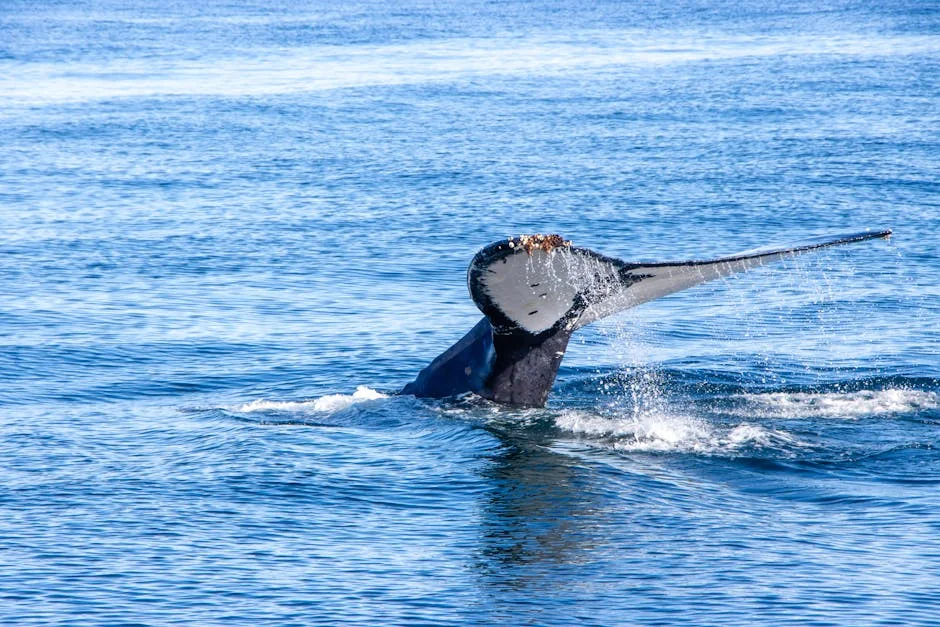
Whale watching is not merely a scenic activity; it is a structured industry with fixed operational costs. Companies operating in Mossel Bay and Gansbaai rely on predictable fuel expenditure to maintain competitive pricing. When global markets react to Iranian naval movements or sanctions, local diesel prices in Cape Town adjust almost overnight. This unpredictability makes budgeting difficult for small to medium-sized enterprises that dominate the sector.
Operators are now forced to make strategic decisions about pricing strategies. Some may absorb the initial cost increases to maintain market share, while others pass the burden directly to consumers. This divergence can lead to market fragmentation, where larger companies with better hedging strategies gain an advantage over smaller, agile operators. The competitive landscape is shifting from service quality to financial resilience.
Operational Adjustments and Cost Cutting
Businesses are already implementing cost-saving measures to mitigate the impact of rising fuel costs. These adjustments are necessary to preserve cash flow during the peak whale season. However, aggressive cost-cutting can sometimes compromise the customer experience if not managed carefully. Owners must balance efficiency with the premium service expectations of international visitors.
- Reducing idle engine time during tours to save diesel
- Negotiating long-term fuel supply contracts with local stations
- Adjusting tour durations to optimize fuel consumption per passenger
Investor Sentiment and Market Reaction
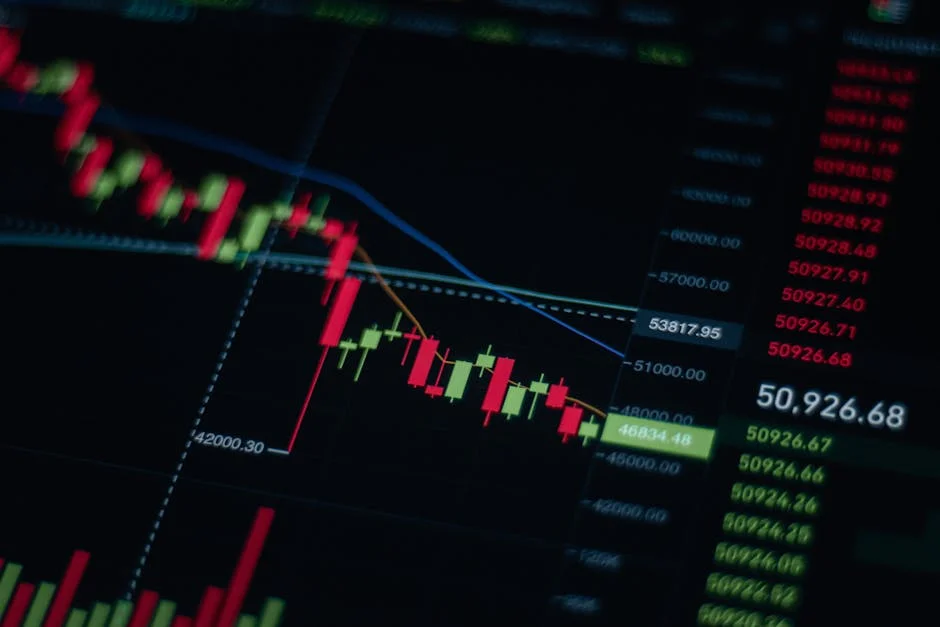

Investors in South Africa’s tourism and hospitality sectors are closely monitoring these developments. The uncertainty surrounding global energy prices introduces risk into the valuation of coastal tourism assets. Share prices of listed hotel groups and travel companies may experience volatility as analysts adjust their earnings forecasts. This market reaction reflects broader anxieties about inflation and consumer spending power.
Foreign direct investment in the sector may also slow down as global investors reassess risk premiums. The Iran conflict adds a layer of geopolitical risk that was previously considered manageable. Investors may demand higher returns to compensate for the increased volatility in operational costs. This could lead to a consolidation phase where larger players acquire smaller competitors at discounted valuations.
Tourist Behavior and Demand Shifts
Consumer behavior is highly sensitive to price changes, especially in the leisure sector. If the cost of whale watching tours increases significantly, some tourists may opt for alternative activities or shorten their stays. Domestic tourists, who are often more price-sensitive than international visitors, may delay their trips or choose closer destinations. This shift in demand can have a compounding effect on local businesses that rely on tourist spending.
International tourists, while less price-sensitive, may also react to the broader economic narrative. Negative headlines about inflation and cost of living can deter travel decisions. The perception of South Africa as a value-for-money destination could be challenged if prices rise faster than in competing destinations like Morocco or Kenya. This competitive dynamic requires proactive marketing and pricing strategies to maintain appeal.
Broader Economic Implications for South Africa
The impact of the Iran war extends beyond the immediate costs of fuel. It influences the broader macroeconomic environment, including interest rates and currency valuation. If inflation rises due to higher energy costs, the South African Reserve Bank may consider tightening monetary policy. This could lead to higher interest rates, which further dampens consumer spending and business investment.
The Rand may also face pressure as global investors seek safe-haven currencies. A weaker Rand makes imports more expensive, further driving up costs for tourism businesses that rely on imported goods. This creates a feedback loop where higher costs lead to higher prices, which in turn affects consumer demand. Policymakers must navigate these interconnected challenges to stabilize the economy.
Strategic Responses for Businesses
Businesses in the whale watching sector must adopt a proactive approach to manage these risks. Diversifying revenue streams can reduce dependence on seasonal tourism. Offering bundled packages that include accommodation and dining can help capture more value per customer. Additionally, investing in fuel-efficient vessels can provide a long-term competitive advantage as energy costs continue to fluctuate.
Collaboration with local government and tourism boards can also yield benefits. Joint marketing campaigns can help maintain visitor numbers despite price increases. Lobbying for targeted subsidies or tax breaks for the tourism sector could provide temporary relief. These strategic moves are essential for ensuring the sustainability of the industry in the face of external shocks.
Looking Ahead: What to Watch
The situation remains fluid, and the full economic impact will depend on the duration and intensity of the conflict in Iran. Investors and businesses should monitor global oil prices and the South African Reserve Bank’s policy statements closely. The next quarterly earnings reports from major tourism companies will provide valuable insights into how effectively they are managing these costs. Staying informed and agile will be key to navigating this period of uncertainty.
See Also
- Iran-Israel War Disrupts Madhya Pradesh's Banana Supply: Here’s the Impact
- Delhi CM Orders Faster Infrastructure Development in Azadpur Mandi
If the cost of whale watching tours increases significantly, some tourists may opt for alternative activities or shorten their stays. Broader Economic Implications for South Africa The impact of the Iran war extends beyond the immediate costs of fuel.
What is the latest news about iran war disrupts sa whale tourism investors brace for revenue hit?
Why does this matter for politics-governance?
What are the key facts about iran war disrupts sa whale tourism investors brace for revenue hit?