President Cyril Ramaphosa has moved to quell growing unease regarding the South African National Defence Force's expanding role in domestic security. His defense of the deployment comes as JSE-listed companies and foreign investors scrutinize the fiscal impact of militarizing the streets of Johannesburg and Cape Town. The political maneuvering is no longer just about public order; it is increasingly a question of economic stability and budgetary discipline.
The Fiscal Burden on the State Budget
The South African National Defence Force consumes a significant portion of the national budget, a fact that has become painfully clear during this crisis. Ramaphosa argues that the cost of inaction exceeds the expenditure on salaries and logistics. However, treasury officials are watching the bottom line with increasing anxiety as overtime payments and equipment rentals mount. The National Treasury must now balance these immediate security costs against long-term infrastructure projects.
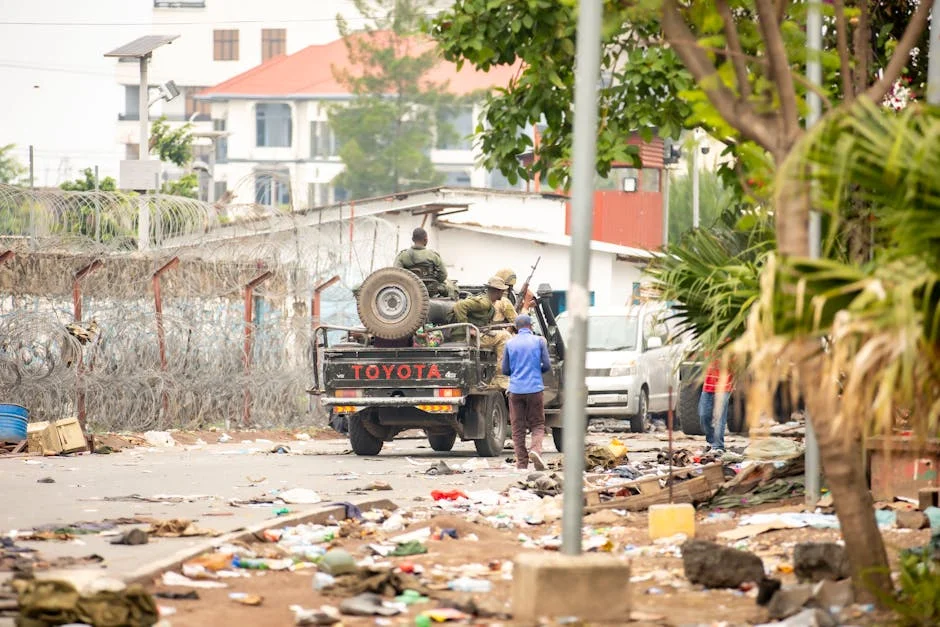
Investors are particularly concerned about the opportunity cost of this spending. Every rand directed toward military logistics is a rand potentially pulled from the Road Maintenance Agency or the power sector. This reallocation of capital can slow down broader economic recovery efforts. The market interprets these shifts as a signal that the state’s financial flexibility is being tested by non-recurring, yet persistent, security demands.
Market Volatility and Investor Sentiment
Financial markets have reacted with cautious pessimism to the prolonged deployment. The JSE All Share Index has shown increased volatility, reflecting uncertainty about how long the crisis will last and what the ultimate cost will be. Foreign direct investment flows are sensitive to political stability, and the visible presence of tanks in business hubs sends a mixed signal to international capital. Companies are reassessing their risk premiums for operating in the region.
Analysts point out that the rand has faced pressure as investors price in the risk of further fiscal slippage. If the deployment drags on, the deficit could widen, potentially triggering a rating agency review. Credit rating agencies monitor government spending habits closely. A downgrade would increase borrowing costs for both the state and the corporate sector, creating a ripple effect across the entire economy. The currency market is watching for signs of fiscal restraint or further indulgence.
Impact on Key Sectors
Specific industries are bearing the brunt of the uncertainty. The logistics and transport sector faces disruptions due to road closures and checkpoint delays. Mining companies, which rely on just-in-time delivery systems, are seeing margins squeezed by operational inefficiencies. Retailers in major urban centers report fluctuating foot traffic as consumers adjust their spending habits in response to the visible security presence. These sector-specific shocks aggregate into a broader macroeconomic drag.
The energy sector also feels the indirect effects. Increased military activity requires more fuel, putting additional strain on the fuel supply chain. This can lead to localized price spikes, which then feed into general inflation. The South African Reserve Bank must consider these supply-side shocks when setting interest rates. Higher rates can dampen consumer spending, further complicating the economic outlook for businesses across the board.
Business Operations and Supply Chain Disruptions

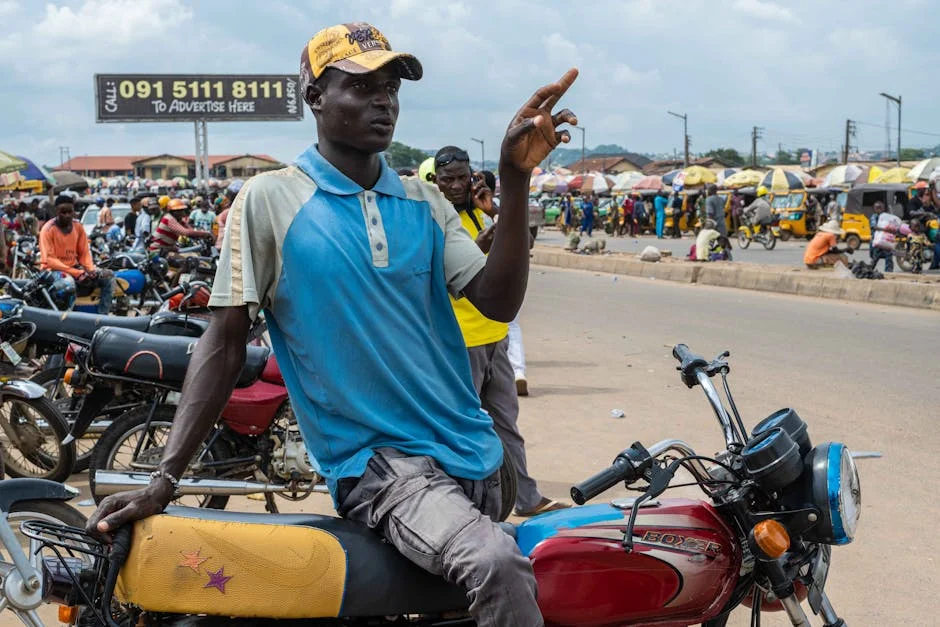
Beyond the macroeconomic indicators, individual businesses are grappling with day-to-day operational challenges. Road closures in Gauteng have forced logistics firms to reroute trucks, increasing fuel consumption and delivery times. These inefficiencies translate directly into higher costs, which are often passed on to the end consumer. The ripple effect is felt in everything from fresh produce prices to the cost of imported raw materials.
Corporate executives are calling for greater clarity on the duration of the deployment. Uncertainty is the enemy of investment, and without a clear timeline, companies are hesitant to commit to new capital expenditures. Some firms are considering accelerating investments in local warehousing to buffer against future disruptions. This shift could lead to a more resilient but also more capital-intensive supply chain structure in the medium term. The business community wants predictability to plan effectively.
The Political Economy of Security Spending
Ramaphosa’s defense of the SANDF deployment highlights the complex interplay between political necessity and economic prudence. The government argues that without order, there is no growth. This is a valid point, but it assumes that the military solution is the most cost-effective one. Critics argue that the root causes of the unrest are socio-economic and require long-term structural reforms rather than short-term military fixes. The political will to implement these reforms is being tested by the immediate demand for security.
The allocation of funds to the defence sector also has implications for other social services. If the defence budget expands at the expense of health or education, the long-term human capital of the country could suffer. This trade-off is a critical consideration for policymakers. The market is watching to see if the government can maintain fiscal discipline while addressing the security crisis. Failure to do so could lead to a loss of confidence in the state’s ability to manage its finances effectively.
Long-Term Economic Implications
The long-term implications of this deployment extend beyond the immediate fiscal impact. There is a risk that the militarization of domestic security could become a permanent feature of South Africa’s economic landscape. This would lead to a structural increase in government spending, reducing the flexibility of the treasury to respond to future shocks. Investors are wary of seeing security costs become a fixed, rather than variable, expense. This structural shift could dampen long-term growth prospects.
Furthermore, the perception of risk associated with South Africa could be altered. If the country is seen as requiring a heavy military presence to maintain basic order, the risk premium demanded by investors could rise permanently. This would make South Africa a more expensive place to invest compared to its regional peers. The goal must be to resolve the crisis quickly and decisively to minimize the long-term reputational damage to the economy. The window for effective action is narrowing.
What to Watch Next
Investors and businesses should monitor the upcoming budget vote in the National Assembly. This will provide a clearer picture of how much the deployment is costing the state and how those costs will be financed. Any unexpected borrowing or tax hikes will be closely scrutinized by the markets. The reaction of credit rating agencies to the next budget statement will also be a key indicator of the economic impact. Watch for changes in the risk premium on South African government bonds as a real-time barometer of investor sentiment. The next few months will be critical in determining whether this crisis becomes a long-term economic drag.
See Also
- Karnataka Deputy CM Slams Rescue Efforts in Kodagu
- Putin halts Kenyan recruitment in Ukraine war, sparks African development debate