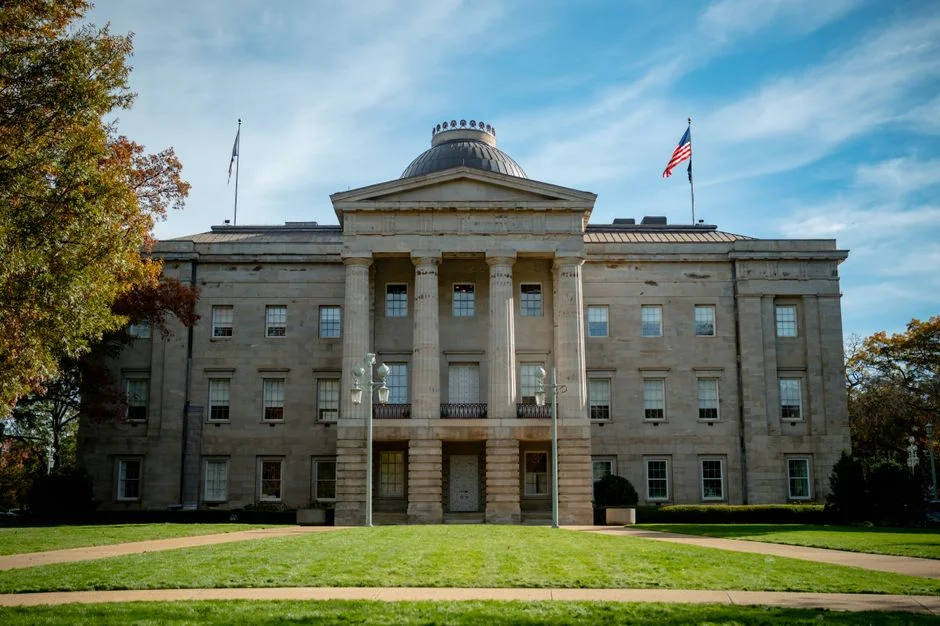
Ghana's parliament has passed legislation that criminalises LGBTQ+ activity, a move that has sent shockwaves through the business community and triggered immediate concerns from international investors about the country's economic trajectory. The law, passed on Friday, imposes prison sentences of up to five years for 'promotion, sponsorship, or support' of LGBTQ+ rights, effectively making one of Africa's most stable democracies a pariah state in the eyes of Western corporations and governments. Business leaders in Accra described a mood of 'panic' as executives scramble to understand how the legislation affects their operations, employment practices, and relationships with overseas partners.
Law Imposes Sweeping Criminal Penalties
The legislation represents one of the most comprehensive anti-LGBT laws on the African continent. Under the new framework, individuals found guilty of identifying as gay or engaging in same-sex relationships face imprisonment, while organisations that champion LGBTQ+ rights or provide support to affected communities risk closure and asset seizure. The law grants authorities powers to surveil suspected violators and compels citizens to report alleged LGBTQ+ activity. The Mahama administration has framed the legislation as a defence of Ghanaian cultural values, but the timing coincides with a broader political calculation ahead of the December elections.
Business Community Reels From Uncertainty
Executives at multinational corporations operating in Ghana say the law has created an impossible compliance situation. Several large firms with explicit non-discrimination policies are now reassessing their presence in the country, according to three people with direct knowledge of internal deliberations, who spoke on condition of anonymity because they were not authorised to discuss the matter publicly. The legislation requires companies to vet employees and contractors for LGBTQ+ identity, a requirement that conflicts with global anti-discrimination standards enforced by parent companies in Europe and North America. Companies that fail to comply risk prosecution, while those that enforce the law face reputational damage and potential boycotts in their home markets.
Construction and Finance Sectors Face Immediate Pressure
International construction firms with major infrastructure contracts in Ghana are particularly exposed. Several projects worth hundreds of millions of dollars rely on foreign engineering companies that operate under strict human rights policies imposed by their lenders and shareholders. A senior executive at one European construction group said his company had already instructed legal advisors to assess 'exit scenarios' from the Ghanaian market. Banks and development finance institutions that fund these projects have anti-LGBT lending restrictions embedded in their covenants, meaning the law could trigger defaults or renegotiation of existing loan agreements.
Investment Climate Turns Hostile
Foreign direct investment into Ghana had already been declining for two consecutive quarters before Friday's vote, according to data from the Ghana Investment Promotion Centre. The new law is expected to accelerate that retreat. Development finance institutions, which channeled more than $2 billion to Ghanaian projects last year, operate under strict environmental and social safeguards that explicitly include LGBTQ+ protections. Their investment frameworks make compliance with the new legislation effectively impossible without violating their own policies. The European Union and several bilateral donors have begun internal reviews of their aid and trade programmes with Ghana, sources familiar with the deliberations said.
Diplomatic Fallout Threatens Trade Preferences
Ghana currently benefits from preferential market access under the African Growth and Opportunity Act, a US programme that grants duty-free entry for thousands of products. Congressional advocates in Washington have already signalled that the law could complicate Ghana's continued eligibility. A State Department spokesperson declined to comment on specific policy implications but said the United States was 'monitoring developments closely'. The African Continental Free Trade Area secretariat in Accra faces questions about whether member states will accept Ghanaian goods and services under the new legal environment, particularly from companies with known LGBTQ+ employee groups.
Tourism and Hospitality Sector Braces for Collapse
Ghana's tourism industry, which generated approximately $3.1 billion in foreign currency receipts last year, is especially vulnerable. The country has marketed itself as a welcoming destination for the African diaspora, a branding effort that now faces direct contradiction from the state's legal posture. Hotel chains operating in Accra and Kumasi report that group bookings from international conferences have already begun cancellations. The Ghana Tourism Authority, a body under the Ministry of Tourism, has not issued public guidance on how operators should respond to the new requirements.
Local Businesses Caught in Legal Crossfire
Small and medium enterprises in Ghana face a more acute dilemma. Many lack the legal resources to navigate the law's complex requirements, while enforcement remains unpredictable. The National Association of Chamber of Commerce said in a statement that its members were 'alarmed and confused' about compliance obligations. Employers face potential criminal liability if they do not report employees suspected of LGBTQ+ activity, yet many business owners have described the prospect of spying on their staff as morally untenable. The law creates no safe harbour for employers caught between competing legal obligations.
What comes next will hinge on how aggressively the new provisions are enforced and whether the Mahama administration faces enough domestic and international pressure to amend the legislation before it takes full effect. Businesses with Ghanaian operations say they are watching for court challenges that could delay implementation, and for signals from Western governments about whether targeted sanctions or trade restrictions are being prepared. The next three months will determine whether Ghana's economy absorbs a manageable shock or slides into the kind of prolonged isolation that has crippled investment in other countries that have enacted similar laws.
See Also
- DA Impeachment Move Triggers Market Jitters Over Phala Phala
- Minister Andhra Unveils Ambitious Plan for 10 New Medical Colleges — Aiming for Better Healthcare