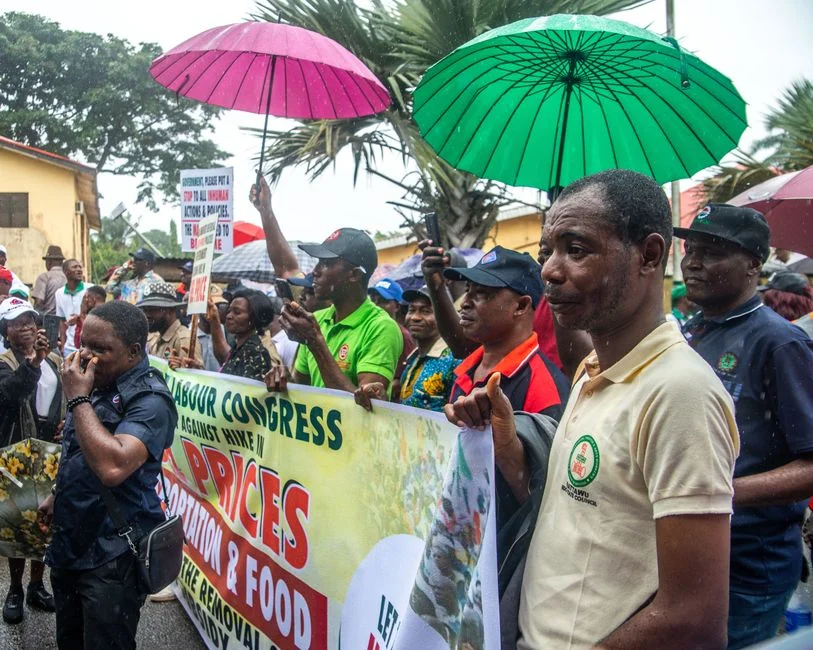
A bitter dispute within Nigeria's main opposition party has exploded into public view, with factional leaders publicly challenging the outcome of primary elections in Imo State. The Nigeria Democratic Congress finds itself engulfed in internal warfare just months ahead of crucial state elections, raising questions about the party's electoral prospects and its ability to present a united front against the ruling government.
What Sparked the NDC Rebellion
The controversy centres on the conduct of primary elections held in Owerri, the capital of Imo State. Rival factions within the NDC have submitted competing claims over who legitimately won the right to represent the party at the upcoming elections. Representatives loyal to different camps have accused each other of irregularities, vote-buying, and manipulation of the ballot count. The dispute has fractured what was once considered one of the party's strongest regional strongholds in the southeast.
Vanguard News first reported the deepening rift when documents circulated by both sides revealed starkly different vote totals for the same constituency. Party officials have struggled to mediate between the feuding camps, with each side refusing to back down. The crisis has now spilled beyond internal party channels, with supporters of both factions taking to social media to mobilise public sympathy.
Economic Stakes for Nigeria's Business Community
Political instability within major parties carries real consequences for Nigeria's economy. Businesses operating in Imo State and the broader southeast region watch these developments closely because policy continuity depends on political predictability. A fragmented opposition party raises the prospect of legal challenges, delayed legislative processes, and policy uncertainty that makes long-term investment planning difficult.
Foreign investors tracking Nigeria's political climate view internal party disputes as indicators of governance quality. When major parties cannot manage their own internal processes fairly, questions arise about their capacity to govern effectively. The NDC's current crisis sends an unwelcome signal to capital markets already sensitive to political risk premiums.
Market Reactions and Investor Sentiment
While Nigeria's stock market has not issued formal statements on the matter, analysts note that political uncertainty typically widens credit spreads and weakens the naira in offshore markets. The uncertainty surrounding which faction will control NDC's Imo structures creates ambiguity about the party's future policy priorities. Businesses with interests in infrastructure, agriculture, and manufacturing in the southeast need clarity on which government programmes will survive any political transition.
The crisis also complicates discussions around the federal budget. If opposition parties are consumed by internal warfare, legislative cooperation on economic bills becomes harder to achieve. Investment-grade nations depend on functional opposition parties to provide checks on executive power and to ensure policy debate reaches adequate resolution.
The Imo State Dimension
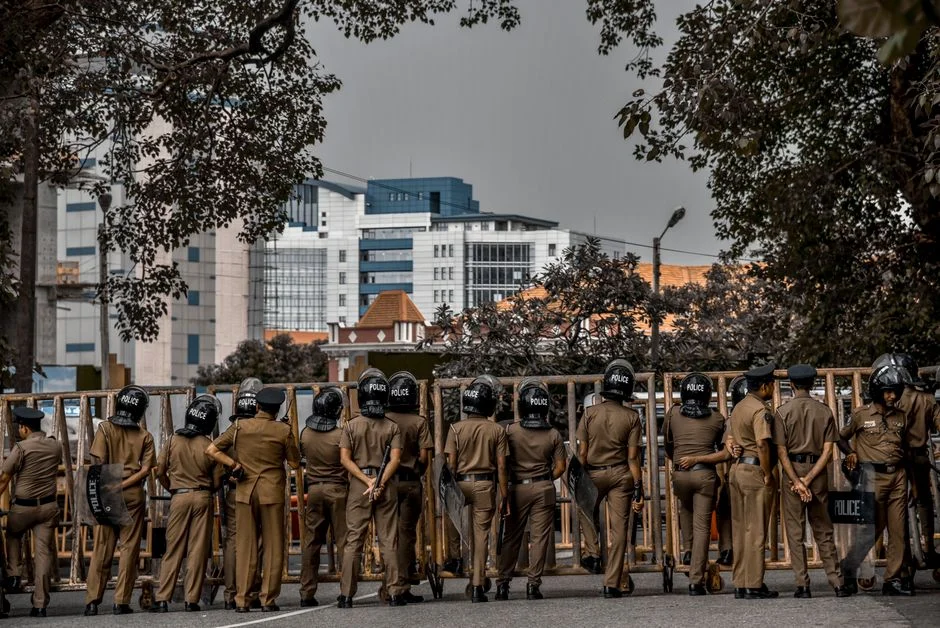

Imo State holds particular significance in Nigeria's political calculations. The state has changed hands between parties multiple times in recent electoral cycles, making it a battleground that neither side can afford to lose. The NDC's current crisis comes at a particularly awkward moment, with gubernatorial elections on the horizon. Any organisational weakness in Imo State could hand an advantage to rival parties.
Local business leaders in Owerri express concern that prolonged party infighting will delay infrastructure projects and deter new enterprise formation. The state's economy depends heavily on political patronage networks, and disruption within the dominant opposition party disrupts those networks. Small and medium enterprises in Imo State report growing anxiety about the political uncertainty.
Inside the Party's Structural Crisis
The NDC's constitution provides mechanisms for resolving primary disputes, but party sources suggest those mechanisms have broken down under the pressure of competing personal ambitions. Several senior figures within the party have publicly aligned themselves with rival factions, effectively splitting the NDC's leadership structure in Imo State. This public fracturing violates a cardinal rule of opposition politics: parties must project unity when facing external rivals.
The party's national chairman faces mounting pressure to intervene, but any ruling risks alienating a significant portion of the membership. Party strategists warn that a heavy-handed approach could trigger a formal split, handing victory to the government side without a fight. The dilemma has paralysed decision-making at the highest levels.
Regional Political Consequences
The NDC's troubles in Imo State do not exist in isolation. Rival parties have taken note and begun positioning themselves to exploit the opening. Government officials have made carefully calibrated statements suggesting they view the opposition's difficulties as an opportunity. The calculated response from the ruling side demonstrates how opposition party crises can strengthen rather than weaken governing coalitions.
For Nigeria's broader political stability, the NDC dispute matters because competitive multi-party politics depends on a credible opposition. Investors assessing Nigeria's democratic credentials look for evidence that opposition parties can contest power effectively. A weakened opposition raises concerns about democratic accountability and the risk of policy capture by governing party interests.
What Happens Next
The NDC's national executive committee has scheduled an emergency meeting in Abuja to address the Imo State dispute. Party sources indicate the gathering will attempt to impose a settlement acceptable to both feuding camps. However, observers remain sceptical that a quick resolution is possible given the depth of personal and political stakes involved.
The coming weeks will determine whether the party can patch together enough unity to contest upcoming elections credibly. If the crisis remains unresolved, Imo State could see multiple candidates from the same party colours splitting the opposition vote. That scenario would be catastrophic for the NDC's electoral hopes and would reshape the competitive landscape across the southeast region.
For markets and businesses, the critical question is whether Nigeria's political system can absorb this shock without lasting damage to investor confidence. The NDC's ability to resolve its internal crisis will serve as a test case for opposition party governance in Africa's largest economy. Economic operators should monitor the emergency meeting in Abuja closely for any signals about the party's stability and future direction.
See Also
- ANC Backs Ramaphosa After Court Ruling — Investor Confidence at Stake
- African Leaders Slam US Health Funding Deals: What It Means for Development Goals