South Africa’s agricultural sector posted an 11% surge in exports at the start of 2026, delivering a much-needed boost to the national balance of payments. This robust performance contrasts sharply with earlier predictions of stagnation, driven by strong global demand for high-value produce and strategic crop diversification. The data confirms that the farming industry remains a critical engine for foreign currency earnings.
Export Figures Defy Market Pessimism
The latest trade statistics reveal that agricultural shipments grew significantly in the first quarter of the year. This growth rate outperformed the broader manufacturing sector, which saw only modest gains. The resilience of the agri-sector provides a buffer against volatility in the mining industry, which has historically dominated South Africa’s export profile.
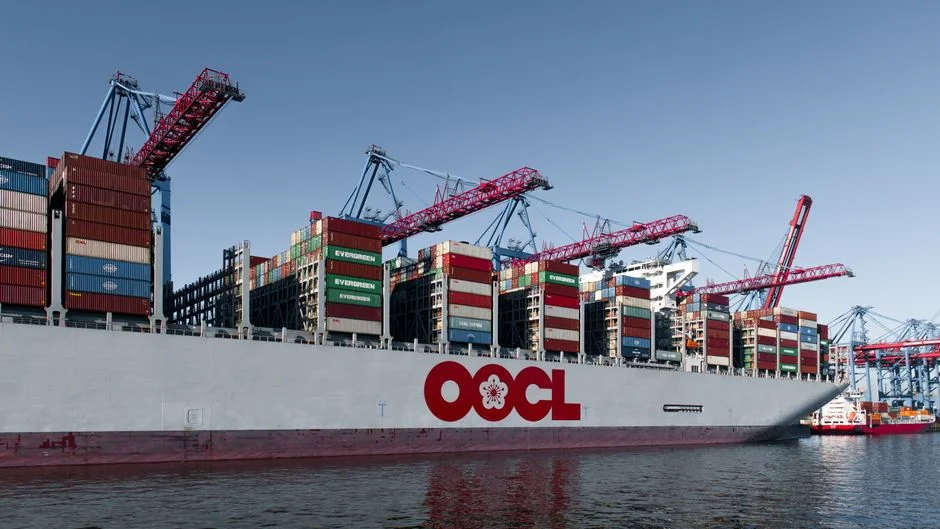
Investors who had priced in a slow start to the year are now re-evaluating their positions. The 11% increase translates into billions of rand in additional revenue flowing back into the local economy. This influx of capital helps stabilize the South African Rand against major currencies like the US Dollar and the Euro.
Market analysts point to the consistency of this growth as a key differentiator. Unlike commodity booms that rely on a single product, this surge is broad-based. It includes contributions from multiple sub-sectors, reducing the risk of a single-point failure in the export pipeline.
Key Drivers Behind the Growth
Several factors contributed to this positive trend. Favorable weather conditions in the Western Cape and KwaZulu-Natal regions allowed for higher yields in both fruit and grain production. Additionally, strategic trade agreements opened new markets for South African farmers, reducing reliance on traditional European buyers.
Diversification of Export Markets
South African exporters have successfully penetrated emerging markets in Asia and the Middle East. This diversification strategy has paid dividends as consumer preferences shift globally. Farmers are no longer solely dependent on the British supermarket cycle, which previously dictated pricing power.
The rise in demand for organic and fair-trade certified products also played a role. South African farms, particularly those in the deciduous fruit sector, have invested heavily in certification processes. This allows them to command premium prices in competitive international markets.
Logistical improvements at the Durban and Cape Town ports further facilitated smoother exports. Reduced waiting times for container shipments meant that perishable goods reached consumers fresher and at lower costs. This operational efficiency directly impacted the bottom line for agribusinesses.
Impact on the Rand and Inflation


The surge in agricultural exports has a direct positive impact on the South African Rand. Stronger export earnings increase the supply of foreign currency, which can help appreciate the local currency. A stronger Rand reduces the cost of imported goods, which can help dampen inflationary pressures.
This dynamic is particularly important given the current inflationary environment in South Africa. Lower import costs for fuel and electronics can provide some relief to households and businesses. The Reserve Bank of South Africa will likely monitor these trends closely when setting interest rates.
Businesses that rely on imported raw materials stand to benefit from a stabilized currency. Manufacturing firms can lock in better exchange rates, improving their profit margins. This creates a ripple effect through the broader economy, supporting job creation and consumer spending.
However, the relationship between the Rand and agricultural exports is not always linear. Global commodity prices also play a significant role. Investors must consider the interplay between local production volumes and international price fluctuations when making investment decisions.
Sector-Specific Performance Analysis
Citrus and stone fruits led the charge in the fresh produce category. South Africa’s timing in the global market allows it to fill the gap when Northern Hemisphere production slows down. This strategic advantage ensures consistent demand throughout the year.
Grain exports also showed resilience, with maize and wheat shipments increasing. The government’s strategic grain reserve policies helped stabilize local prices, allowing farmers to export surplus production at competitive rates. This balance between domestic supply and export demand is crucial for food security.
The wine industry contributed to the growth with increased shipments to the United States and Asia. South African wines are gaining recognition for their quality and value proposition. This trend supports the broader agri-tourism sector, attracting both consumers and investors.
Perishable goods such as avocados and berries have seen particularly strong growth. These high-value crops benefit from the premium pricing power in international markets. Farmers who shifted acreage to these crops are seeing higher returns on investment compared to traditional staples.
Challenges Facing the Agri-Sector
Despite the positive numbers, challenges remain. Logistics bottlenecks, particularly on the railway network, continue to affect the cost of getting goods to ports. Transnet’s performance is a critical factor that can either enhance or erode the competitiveness of South African exports.
Energy costs also pose a significant threat. High electricity tariffs and occasional load shedding increase operational costs for farms. Investors are watching to see how the sector manages these energy expenses, which can eat into profit margins.
Water scarcity is another growing concern. Climate change is leading to more frequent droughts in key farming regions. This necessitates greater investment in irrigation technology and water management strategies. The long-term sustainability of the sector depends on addressing these resource constraints.
Labor relations also require attention. The agricultural sector is one of the largest employers in South Africa. Maintaining competitive wages and good working conditions is essential for productivity. Any disruptions in labor can quickly impact harvest times and export volumes.
Investment Opportunities and Risks
The strong export performance presents clear investment opportunities. Agri-tech companies focusing on precision farming and water efficiency are well-positioned for growth. Investors looking for defensive assets may find value in the stability of the agricultural sector.
Real estate in key farming regions is also seeing increased interest. Land values in the Western Cape and KwaZulu-Natal are rising as investors seek tangible assets. This trend supports the broader property market in these regions.
However, risks associated with currency fluctuations and global trade policies must be managed. Investors should diversify their portfolios to mitigate these risks. Understanding the specific dynamics of each sub-sector is crucial for making informed investment decisions.
Financial institutions are responding by offering tailored products for the agri-sector. These include supply chain finance and weather-indexed insurance products. These innovations help farmers manage cash flow and mitigate production risks.
Future Outlook and Policy Implications
The government is likely to use this success to drive further policy reforms. Enhancing trade agreements and improving infrastructure will be key priorities. These measures aim to sustain the growth momentum and unlock new markets for South African farmers.
Investors should watch for announcements regarding the Agricultural and Marketing Council (AMAC). Their recommendations will shape the future direction of the sector. Policy stability is essential for attracting long-term investment in the agri-value chain.
The coming months will be critical for confirming whether this growth is sustainable. Seasonal variations and global economic conditions will test the resilience of the sector. Continuous monitoring of export data and commodity prices will provide early signals of trends.
Readers should monitor the next quarterly trade reports released by Statistics South Africa. These figures will provide detailed insights into the performance of different agricultural commodities. Tracking these metrics will help investors and businesses make data-driven decisions in the evolving market landscape.
See Also
- Tiago Antunes Vows Independence as Judicial Candidate in Angola
- Asencio Returns to Valdebebas El Amid Economic Shifts
This trend supports the broader agri-tourism sector, attracting both consumers and investors. Transnet’s performance is a critical factor that can either enhance or erode the competitiveness of South African exports.