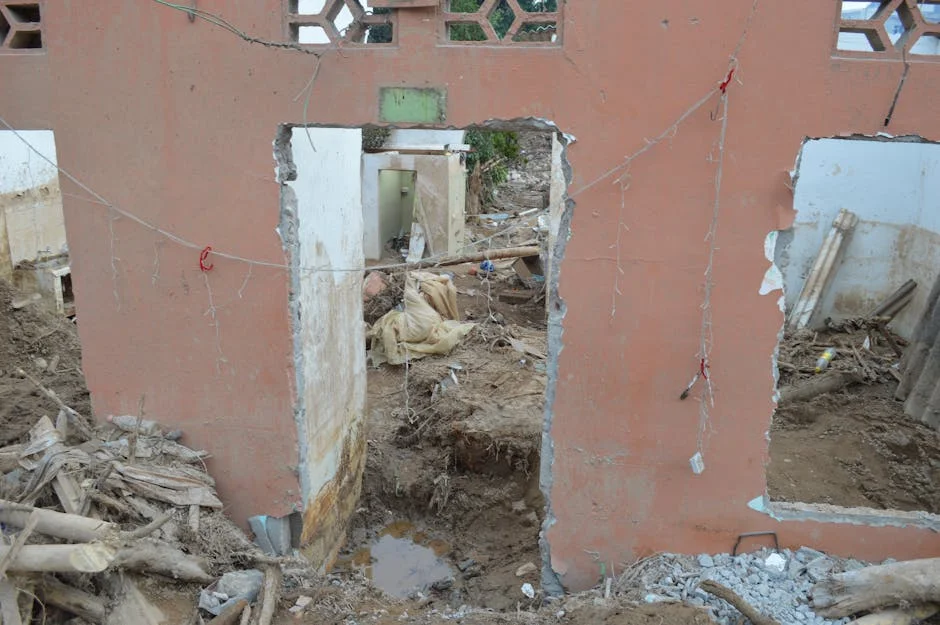
The South African Weather Service has issued a severe Orange Level 8 rain warning for Cape Town, signaling a period of intense precipitation that threatens to disrupt local commerce and supply chains. This meteorological alert, which remains active through Monday, forces businesses in the Western Cape to reassess their operational resilience in the face of increasingly volatile climate patterns. Investors are now scrutinizing how this immediate weather event impacts broader economic stability in the region.
Immediate Economic Disruption in the Western Cape
Orange Level 8 indicates that rain is likely and that the impact on daily life and economic activity is significant. For Cape Town, this means more than just wet streets; it implies potential flooding, transport gridlock, and power fluctuations. The City of Cape Town has already begun deploying emergency response teams, but the economic ripple effects extend far beyond the initial downpour. Small businesses in low-lying areas face immediate revenue losses as foot traffic dwindles.

Transport logistics are the first to feel the pinch. Major roads such as the N1 and M3 corridors often experience bottlenecks, delaying the movement of goods from the Cape Town International Airport and the Port of Cape Town. These delays increase fuel consumption and operational costs for logistics companies, which may eventually pass these expenses onto consumers. The uncertainty makes it difficult for firms to maintain just-in-time inventory models, a strategy that relies on precise timing.
Local retailers report a sharp decline in sales during peak rain hours. Shopping centers in areas like Claremont and Sea Point see reduced turnover as consumers opt to stay indoors or delay non-essential purchases. This short-term revenue dip can strain cash flow for smaller enterprises that operate on thinner margins compared to corporate giants. The cumulative effect on retail turnover for the month could be measurable if the rain persists.
Market Reactions and Investor Sentiment
Financial markets in Johannesburg are beginning to price in the potential for regional economic slowdowns. While a single weather event may not crash the entire JSE, it serves as a microcosm of the broader climate risks facing South African assets. Investors are particularly attentive to the Western Cape’s contribution to the national GDP, which includes key sectors like tourism, agriculture, and technology. Any disruption in these sectors sends signals about operational efficiency and risk management.
The technology hub in Cape Town, often referred to as Silicon Cape, faces its own set of challenges. Power outages, known locally as load shedding, can be exacerbated by heavy rain affecting substations and infrastructure. For tech startups and established firms alike, consistent power and internet connectivity are vital. Investors in the tech sector are watching how companies manage these disruptions, as resilience becomes a key valuation metric. Firms with robust backup power solutions are likely to see their stock stability hold up better than those without.
Tourism stocks are also under scrutiny. Cape Town is a premier destination for both domestic and international tourists, and weather plays a crucial role in visitor satisfaction. A prolonged period of heavy rain can lead to cancellations and delayed bookings, affecting hotels, tour operators, and airlines. The sector is already recovering from post-pandemic fluctuations, and this weather event tests the durability of that recovery. Analysts are looking at booking trends for the coming weeks to gauge the lasting impact.
Impact on Specific Sectors
The agricultural sector in the Western Cape is particularly vulnerable to excessive rainfall. While some crops benefit from moisture, too much water can lead to soil erosion, fungal diseases, and harvesting difficulties. Farmers in the Winelands and the Overberg region are monitoring soil saturation levels closely. The cost of irrigation and drainage management rises, squeezing profit margins for vineyards and orchards. This can have downstream effects on wine exports, which are a significant contributor to the region’s foreign exchange earnings.
Construction projects in Cape Town often face delays during heavy rain. Wet conditions make it difficult to work with concrete and earthworks, leading to schedule slippages. Developers must account for these delays in their project timelines, which can affect cash flow and investor returns. The cost of construction materials may also fluctuate due to supply chain disruptions, further complicating budget forecasts. Investors in property development trusts need to factor in these weather-related risks when evaluating project viability.
Business Resilience and Operational Strategy

Businesses are being forced to adapt their operational strategies to cope with increased weather volatility. Companies are investing in better data analytics to predict weather impacts and adjust their supply chains accordingly. This includes diversifying suppliers to reduce dependency on single routes or locations. The ability to pivot quickly becomes a competitive advantage. Firms that can maintain service levels during disruptions are likely to gain market share from slower competitors.
Risk management is becoming a boardroom priority. Insurance premiums for businesses in flood-prone areas may rise, reflecting the increased frequency of severe weather events. Companies are reviewing their insurance portfolios to ensure adequate coverage for business interruption and property damage. This financial planning is essential for maintaining liquidity during unexpected downturns. Investors are looking for companies with strong balance sheets and prudent risk management practices.
The labor market is also affected. Commuter patterns change during heavy rain, leading to higher absenteeism and later arrivals. Employers are considering flexible working arrangements to mitigate these disruptions. Remote work options, accelerated by the pandemic, prove valuable during weather events. Companies that offer flexibility may see higher employee satisfaction and retention rates. This shift in work culture has long-term implications for office space demand and urban planning.
Long-Term Economic Implications
The Orange Level 8 warning is a reminder of the broader climate change challenges facing South Africa. Extreme weather events are becoming more frequent and intense, posing a systemic risk to the economy. Policymakers and business leaders must collaborate to build long-term resilience. This includes investing in infrastructure upgrades, such as improved drainage systems and renewable energy sources. The cost of inaction could be much higher than the initial investment.
Investment in green technologies is gaining momentum. Companies that adopt sustainable practices are not only reducing their carbon footprint but also enhancing their resilience to climate risks. Solar power installations, for example, reduce dependency on the national grid and provide a buffer against load shedding. Investors are increasingly favoring companies with strong environmental, social, and governance (ESG) credentials. This trend is likely to continue as climate risks become more pronounced.
The economic impact of weather events extends beyond immediate financial losses. It affects consumer confidence, business investment, and government revenue. A prolonged period of uncertainty can lead to cautious spending and delayed investment decisions. This can slow down economic growth in the short to medium term. Policymakers need to implement measures to stabilize the economy and support affected sectors. Tax relief, grants, and infrastructure spending are potential tools to mitigate the impact.
What To Watch Next Week
Residents and businesses should monitor the South African Weather Service updates for any changes to the Orange Level 8 warning. The City of Cape Town will release daily reports on road conditions and power supply status. Investors should keep an eye on the JSE performance of key Western Cape companies, particularly in tourism and logistics. Any significant deviation from expected trends could signal deeper economic impacts.
The coming days will be critical for assessing the immediate economic damage. Retail sales data and transport logistics reports will provide early indicators of the disruption’s severity. Businesses should use this period to test their contingency plans and identify areas for improvement. The resilience demonstrated during this event will inform future strategic decisions. Watch for government announcements regarding support packages for affected industries.
See Also
- Shell Operated Nigeria Pipeline for Years After Internal Pollution Warnings — Now Faces Billions in Claims
- Dayo Mobereola Signs Maritime Pact with Liberia — West African Trade Routes Set to Shift
Any significant deviation from expected trends could signal deeper economic impacts. Companies are investing in better data analytics to predict weather impacts and adjust their supply chains accordingly.