Ethiopian Prime Minister Abiy Ahmed announced on Sunday that the Tigray region will not participate in the upcoming 2026 national elections, a decision that has ignited fears of renewed instability in the country. This decision comes just days after the Prosperity Party, led by Abiy, confirmed the election date for June 5, 2026. The move raises critical questions about Ethiopia's political trajectory and its broader economic implications.
Exclusion of Tigray: A Political Gamble
The exclusion of Tigray from the electoral process follows a bloody two-year conflict that devastated the region and led to thousands of deaths, displacements, and widespread destruction of infrastructure. The Ethiopian government, under Abiy's leadership, has accused the Tigray People's Liberation Front (TPLF) of attempting to destabilise the country. However, many view this decision as a tactic to consolidate power and suppress dissent from the Tigrayan population.

Abiy Ahmed stated in a public address, "We will not allow any group to disrupt the stability and growth of our nation as we prepare for the elections." His remarks indicate an unwavering commitment to a political landscape that sidelines the Tigrayan voice, despite the region comprising approximately 6% of Ethiopia's population.
The Economic Implications
The absence of Tigray from the elections is likely to exacerbate existing tensions, potentially deterring foreign investment and impacting Ethiopia's economic recovery. The country, which has seen a notable slowdown in GDP growth—expected to fall to 3.1% in 2023 from 6.1% in 2022—struggles to regain investor confidence.
Investors are already wary of the unstable environment. The Ethiopian currency, the birr, has depreciated significantly against the dollar, losing about 20% of its value since 2020. This trend may continue as political turbulence casts a shadow over market stability, compelling businesses to reconsider their strategic investments in the region.
Reactions from the Business Community

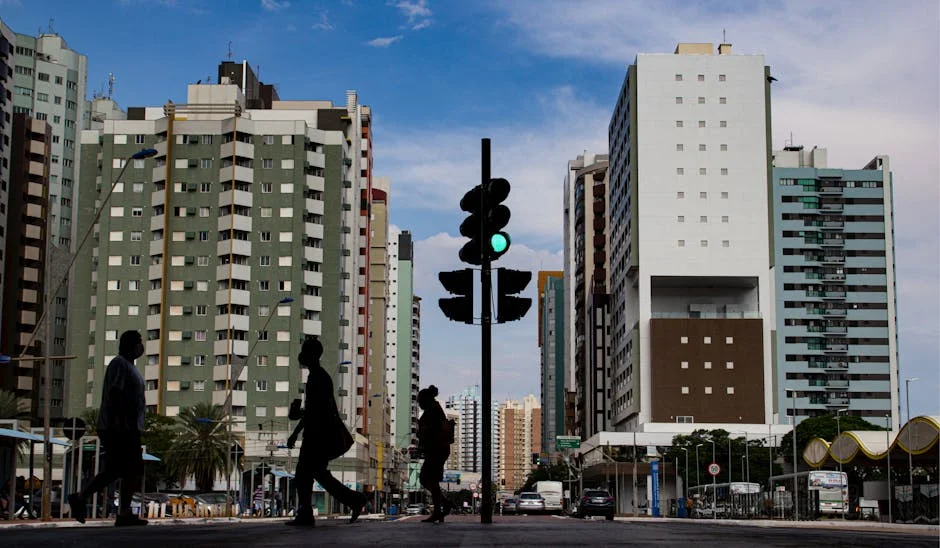
The announcement has been met with significant concern from the business sector, particularly those engaged in sectors like agriculture and manufacturing, where Tigray plays a crucial role. Companies such as African Industries Group, which has substantial investments in Tigray, may face considerable disruptions.
Some industry leaders have already called on the government to reconsider its stance, emphasising that political exclusion may lead to economic exclusion. "Businesses thrive in stable environments, and what we have now is uncertainty," stated Berhanu Tadesse, a prominent business leader in Addis Ababa.
Impact on South Africa and Regional Markets
The ramifications of Ethiopia's political developments extend beyond its borders, particularly affecting South African markets. As Ethiopia is a key player within the African Union and significant to regional trade, instability may impact supply chains and investor sentiment across Southern Africa.
South African firms with interests in Ethiopia could become increasingly cautious, potentially affecting trade volumes and investment flows between the two nations. The South African rand has already shown signs of volatility against other currencies due to regional uncertainties, which may be exacerbated by Ethiopia's electoral decisions.
International Reactions and Future Prospects
Internationally, the exclusion of Tigray could trigger reactions from foreign governments and organisations concerned about human rights violations. The United Nations has previously expressed dismay over the Tigrayan conflict, and any escalated tensions following this political move could lead to international condemnation and economic sanctions.
As Ethiopia prepares for the defined election date, the international community is likely to watch closely. The Prime Minister's commitment to stability must be balanced with the need for inclusivity and reconciliation to avoid deeper divisions.
What to Watch Next
In the coming months, the focus will be on how the Ethiopian government engages with the international community and what measures it will implement to quell any potential unrest. Observers are particularly interested in whether Abiy will extend any olive branches to Tigrayan leaders or if tensions will escalate as the election date approaches.
With the countdown to the elections officially underway, investors and businesses alike must prepare for a potentially turbulent period in Ethiopia, where the stakes are high for both political stability and economic recovery.
See Also
- FG Slams Opposition to OPL 245 as Unpatriotic — and Warns of Consequences
- The South African Weather Service Confirms Light Rain Across Western, Eastern Cape