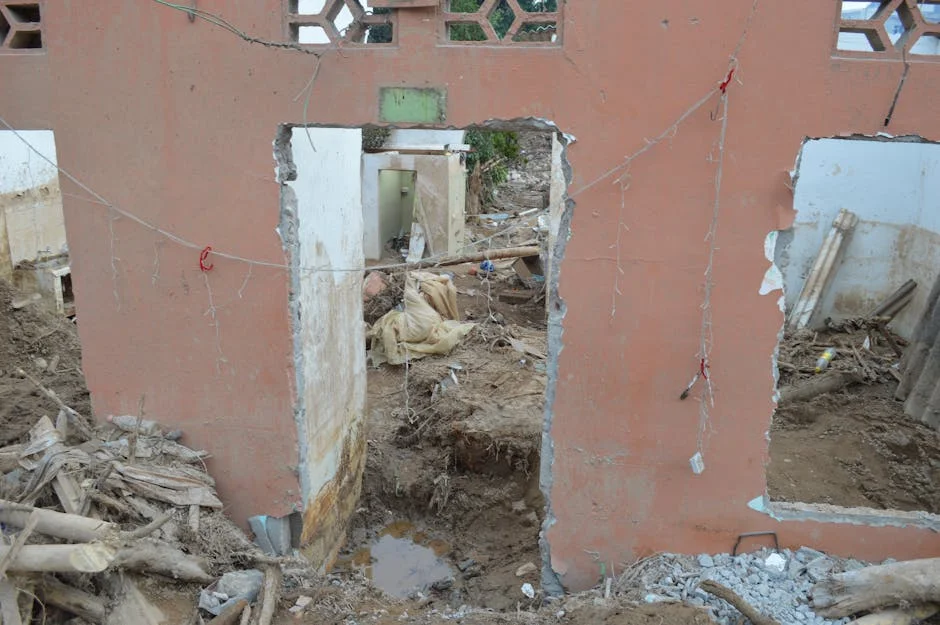
The Western Cape is currently enduring a powerful cold front that has transformed the region’s weather patterns into a significant economic stress test. This meteorological event is not merely a seasonal annoyance; it is a direct threat to supply chains, tourism revenues, and agricultural output in South Africa’s most dynamic economic hub. Businesses across the province are scrambling to mitigate losses as winds gust and temperatures plummet, exposing the fragility of local infrastructure.
Investors and market analysts are watching this development closely, recognizing that extreme weather events in the Western Cape often ripple through the broader South African economy. The immediate impact on the Johannesburg Stock Exchange may be subtle, but the real-time costs for local enterprises are mounting by the hour. This analysis explores the financial and operational consequences of the current weather crisis.
Immediate Disruption to the Tourism Sector

The tourism industry, which serves as the primary economic engine for the Western Cape, faces immediate revenue erosion due to the severe weather conditions. Hotels, guest houses, and boutique accommodations in Cape Town are reporting a surge in cancellations as domestic and international travelers adjust their itineraries. The visual appeal of the Cape Peninsula, a key selling point for tourists, is currently obscured by rain and wind, reducing foot traffic to major attractions.
Revenue streams from outdoor activities such as wine tasting, hiking, and coastal tours have dried up almost overnight. Operators in regions like the Winelands and the Southern Cape are forced to offer refunds or credits, impacting their cash flow during what should be a peak season. The uncertainty discourages last-minute bookings, creating a lag effect that can last for weeks after the front passes.
Small business owners in the hospitality sector are particularly vulnerable. Unlike large hotel chains with diversified income sources, independent cafes and tour operators often rely on daily turnover to cover overheads. A few days of poor weather can significantly impact their quarterly earnings, forcing them to draw on reserves or secure short-term financing.
Agricultural Vulnerability and Supply Chain Risks
Agriculture in the Western Cape is highly sensitive to weather variations, and the current cold front poses specific risks to key crops. The region is a major producer of wine grapes, citrus, and deciduous fruits, all of which can suffer from frost damage or wind stress. Farmers in the Stellenbosch and Paarl areas are monitoring vineyards closely, knowing that a sudden drop in temperature can bruise fruit or delay harvest times.
Impact on Citrus and Wine Exports
The citrus industry, which relies on timely exports to global markets, faces potential delays in logistics. Wet conditions can soften the skin of oranges and lemons, affecting their shelf life and aesthetic appeal for buyers in Europe and Asia. Similarly, the wine industry is concerned about the quality of the harvest, which directly influences pricing power in the global market.
Supply chain disruptions are also evident in the transportation of agricultural goods. Roads in the Southern Cape have become slippery and prone to landslides, slowing down truck movements. This delay increases fuel consumption and driver fatigue, adding to the cost of getting produce from the farm gate to the port of Cape Town. These incremental costs are eventually passed on to consumers, contributing to food price inflation.
Infrastructure Strain and Energy Costs


The energy sector in the Western Cape is under pressure as the cold front increases demand for heating. Households and businesses are turning on electric heaters and air conditioning units, leading to a spike in electricity consumption. This surge in demand puts additional strain on the local grid, which is still recovering from the broader national load-shedding crisis.
Energy costs are rising for consumers who rely on prepaid meters or monthly billing cycles. For businesses, the increase in utility bills cuts into profit margins, particularly for those in the retail and office sectors. The Western Cape’s energy strategy, which includes a mix of solar, wind, and hydro, is being tested by the variability of the weather patterns.
Infrastructure damage is another concern. The strong winds are uprooting trees and knocking down power lines, leading to localized outages. Municipalities are deploying crews to clear debris and restore power, but the sheer volume of complaints suggests that recovery will be gradual. This disruption affects productivity, as employees work from home or endure intermittent power supplies.
Real Estate and Property Market Reactions
The property market in the Western Cape is showing signs of caution as potential buyers assess the impact of extreme weather on property values. Homes in flood-prone areas or those with poor insulation are facing scrutiny from buyers who are increasingly aware of climate risks. This shift in buyer sentiment could slow down transaction volumes in the short term.
Insurance companies are also adjusting their risk models based on recent weather events. Premiums for properties in high-risk zones may increase, reflecting the higher likelihood of claims for wind and water damage. This financial implication affects homeownership costs and could influence investment decisions in the real estate sector.
Developers are reviewing construction standards to ensure new builds are more resilient to weather extremes. This includes better drainage systems, stronger roofing materials, and improved insulation. While these upgrades add to the initial cost of development, they offer long-term value by reducing maintenance costs and enhancing marketability.
Investor Sentiment and Market Volatility
Investors in the Western Cape are monitoring the economic indicators closely to gauge the broader impact of the cold front. The region’s contribution to the national GDP makes it a critical barometer for economic health. Any disruption in the Western Cape’s output can have a ripple effect on the Johannesburg Stock Exchange, particularly for companies with a strong regional presence.
Market volatility may increase as investors react to the news of supply chain disruptions and revenue losses. Companies in the tourism, agriculture, and retail sectors are likely to report lower earnings in their upcoming quarterly reports. This could lead to a re-rating of their stock prices, affecting portfolio performance for both local and international investors.
However, there are also opportunities for investors. Companies that provide essential services, such as energy, logistics, and insurance, may see increased demand. Additionally, businesses that demonstrate resilience and adaptability to weather shocks are likely to be viewed favorably by the market. This dynamic creates a mixed landscape for investors, requiring a nuanced approach to asset allocation.
Business Adaptation and Strategic Responses
Businesses in the Western Cape are adopting various strategies to mitigate the impact of the cold front. Many are shifting their marketing efforts to digital platforms to reach customers who are staying indoors. This includes promoting online shopping, delivery services, and virtual experiences to keep engagement levels high.
Supply chain managers are diversifying their supplier base to reduce dependency on single sources. This strategy helps to buffer against disruptions caused by weather events in specific regions. Additionally, companies are investing in technology to improve forecasting and inventory management, allowing them to respond more quickly to changes in demand.
Human resources departments are implementing flexible working arrangements to accommodate employees affected by the weather. This includes allowing remote work and adjusting office hours to avoid peak traffic times. These measures help to maintain productivity and employee morale during the disruption.
Long-Term Economic Implications
The current cold front highlights the need for long-term economic planning in the Western Cape. Climate change is expected to bring more frequent and severe weather events, making resilience a key factor in economic stability. Governments and businesses must invest in infrastructure, technology, and policy reforms to prepare for these challenges.
The economic impact of the weather crisis extends beyond the immediate financial losses. It affects consumer confidence, business investment, and the overall growth trajectory of the region. Addressing these issues requires a coordinated effort between the public and private sectors, as well as active engagement from local communities.
Policy makers in the Western Cape are reviewing disaster management plans to ensure they are equipped to handle future weather shocks. This includes improving early warning systems, enhancing emergency response capabilities, and providing financial support to affected businesses. These measures are crucial for maintaining economic stability and fostering long-term growth.
What to Watch Next Week
The Western Cape is expected to remain under the influence of the cold front for several more days, with the most severe conditions predicted for the upcoming weekend. Businesses should monitor weather forecasts closely and adjust their operations accordingly. Investors should keep an eye on the quarterly earnings reports of key regional companies for early signals of economic impact.
The South African Reserve Bank and the National Treasury are likely to issue statements on the economic implications of the weather crisis. These statements will provide valuable insights into the broader economic outlook and potential policy responses. Stakeholders should also watch for updates on infrastructure repairs and energy supply stability, which will influence business confidence and consumer spending in the coming months.
See Also
- Makashule Gana Wins Impeachment Panel — South Africa's Political Calculus Shifts
- Durban Indaba Shifts Focus to Local Markets as Overseas Numbers Dip
Investor Sentiment and Market Volatility Investors in the Western Cape are monitoring the economic indicators closely to gauge the broader impact of the cold front. Investors should keep an eye on the quarterly earnings reports of key regional companies for early signals of economic impact.