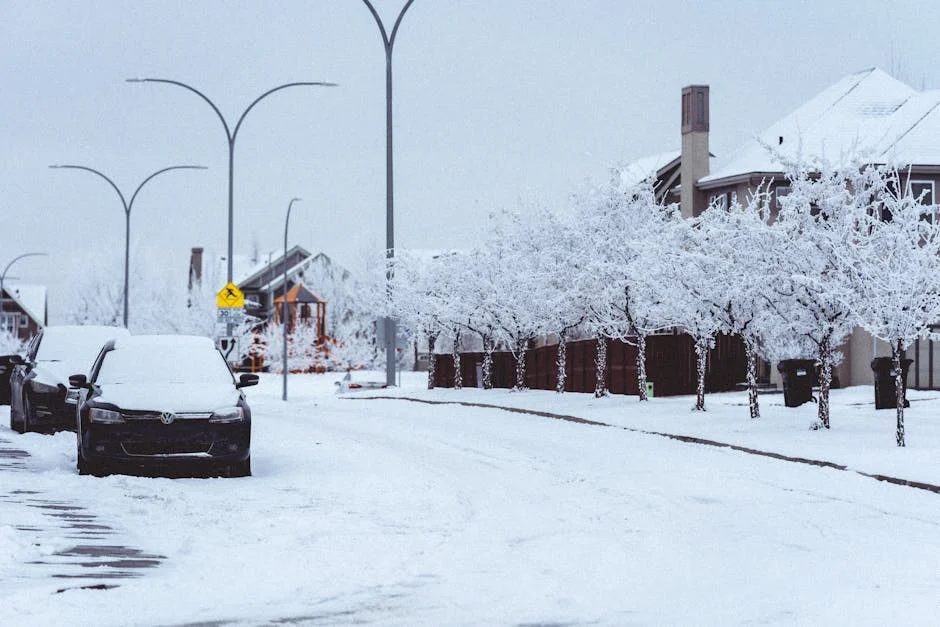
South Africa is bracing for severe winter weather as snowstorms, flood alerts, and rough seas are forecast across various regions. The South African Weather Service (SAWS) issued an alert, predicting significant snowfall in the Western Cape, with certain areas expecting up to 30 cm of snow by the end of the week. This harsh weather threatens not only daily life but also the broader economy.
Snowfall Forecast for Key Regions
The Western Cape is set to bear the brunt of the winter onslaught, particularly in mountainous areas like Ceres and the Boland region. Local residents should prepare for difficult travel conditions as snow and ice are predicted. Roads may become impassable, causing delays in transport and logistics that could ripple through supply chains.

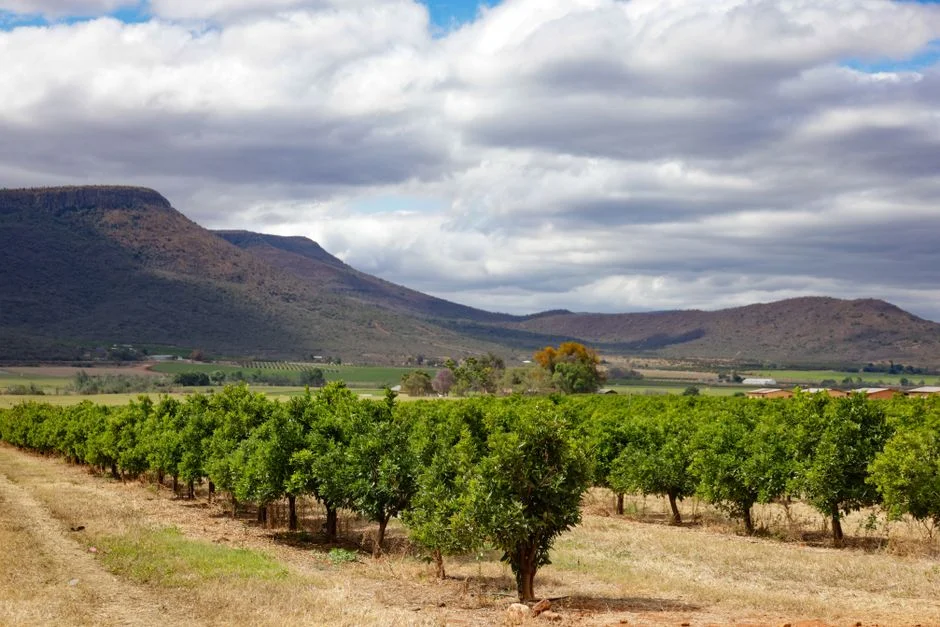
In addition to the Western Cape, the Free State and parts of KwaZulu-Natal are also on high alert for snow and heavy rainfall. Last week, the SAWS noted that these conditions could disrupt agricultural activities, affecting food supply and prices in local markets.
Economic Ramifications of Severe Weather
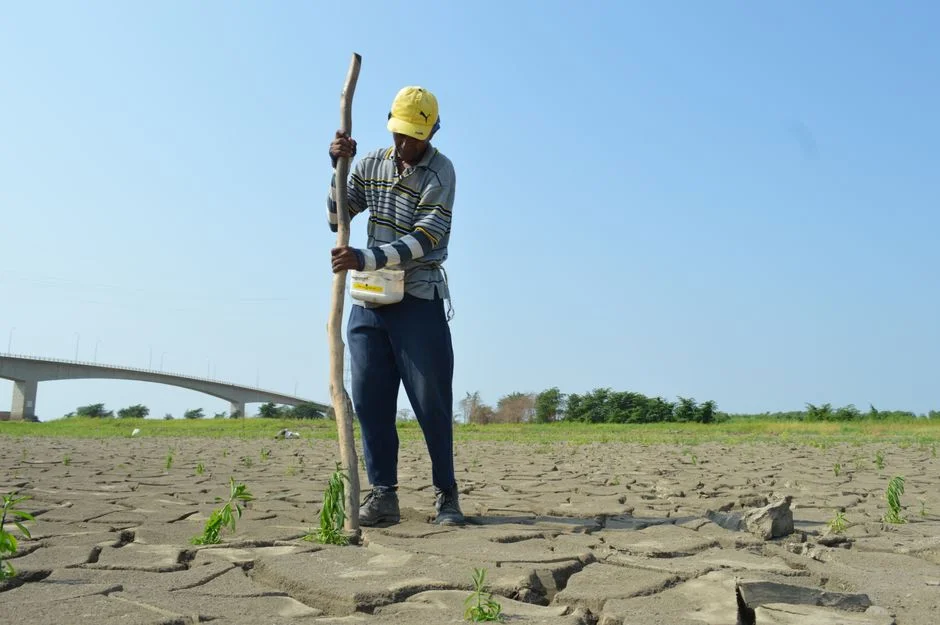
As winter tightens its grip, businesses across sectors are bracing for economic repercussions. The agricultural sector, a vital component of South Africa's economy, may see yield reductions due to adverse weather conditions. With winter crop production already facing challenges, further complications could increase food prices, putting pressure on consumers.
According to a recent report by the Department of Agriculture, Forestry and Fisheries, the agricultural sector contributes approximately 2.6% to South Africa's GDP. Any prolonged disruptions can lead to decreased output, affecting everything from grain prices to livestock production.
Impact on Transportation and Trade
Transportation networks will likely experience delays as snowfall impacts road accessibility. Major freight routes, particularly those connecting the Cape with inland markets, risk being obstructed. Delayed deliveries could lead to inventory shortages and increased costs for businesses.
Importers and exporters must also pay attention to the weather, as rough seas may hinder shipping activities at key ports like Cape Town and Durban. With shipping already facing challenges globally, any additional constraints could worsen the current situation.
Potential for Increased Energy Demand
The cold snap may trigger a surge in energy demand as households and businesses turn on heating systems. Eskom, the national power utility, may encounter challenges in meeting this heightened demand. During the last cold spell, Eskom reported load-shedding to protect the grid, leaving many fearing potential outages in the coming days.
Investor Sentiment and Market Reactions
Investor sentiment has already started to shift in response to the looming weather challenges. Agricultural stocks on the Johannesburg Stock Exchange (JSE) have seen increased volatility, reflecting concerns about crop yields and food inflation. On Friday, shares in major agribusiness companies dropped by an average of 4% following the winter weather warnings.
Analysts at Standard Bank indicated that sustained adverse conditions could result in higher food prices, impacting inflation rates. This situation may compel the South African Reserve Bank to reconsider its monetary policy, especially if inflation trends upward.
What Lies Ahead for Businesses and Consumers?
As South Africa faces this harsh winter, businesses and consumers must stay alert. With the snowstorm expected to peak midweek, the immediate focus will be on safety and emergency preparedness. Companies should review their supply chains and ensure contingency plans are in place.
Looking forward, the winter season brings uncertainty. How the weather will impact agricultural yields, energy demands, and consumer prices remains to be seen. Stakeholders across the board must monitor these developments closely as they unfold.
See Also
- FRC Warns Nigeria's Actuaries Shortage Threatens $12bn Insurance Market
- Moody’s Shifts SA Outlook to Positive — Markets React