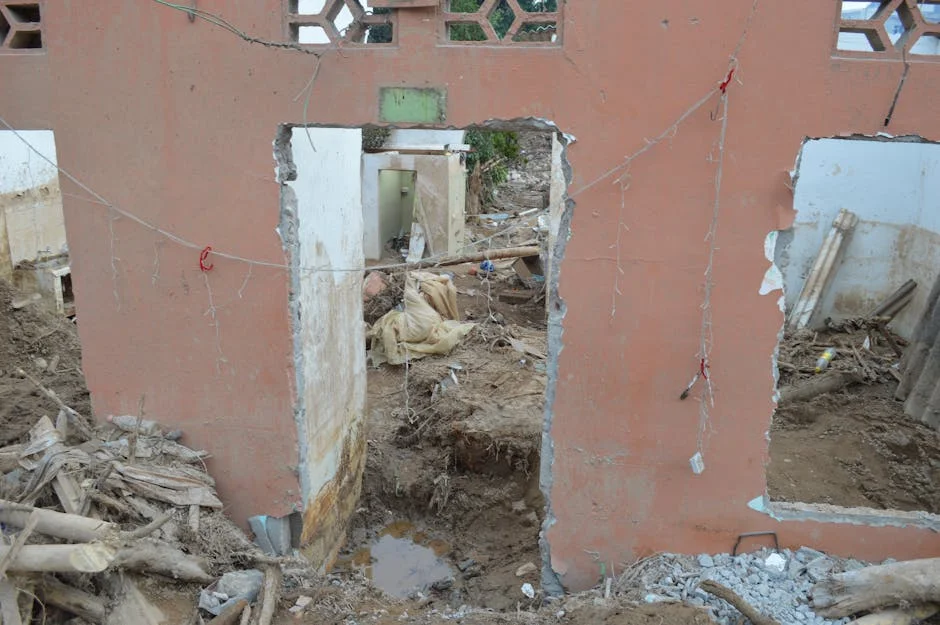
A severe storm system has battered the Western Cape, leaving at least ten people dead and displacing over a thousand residents in and around Cape Town. The sudden meteorological upheaval has sent shockwaves through the region’s economy, disrupting supply chains and forcing businesses to reassess their resilience strategies. Investors are now scrutinizing the immediate financial fallout from this extreme weather event.
Immediate Economic Disruption in the Western Cape
The storm did not just bring wind and rain; it brought immediate paralysis to local commerce. Major retail outlets in the Cape Town metropolitan area faced power outages lasting up to twelve hours, leading to inventory losses and reduced consumer spending. The disruption extends beyond the city limits, affecting key logistics hubs that serve as gateways for goods entering the province.

Business owners report that the cost of emergency repairs and lost productivity will be substantial. Small enterprises, which often lack the robust insurance coverage of larger corporations, are particularly vulnerable to these sudden shocks. The local government has announced an emergency fund, but the scale of the damage suggests that private sector recovery will be slow and uneven.
Supply Chain Vulnerabilities Exposed
The Western Cape is a critical node in South Africa’s broader supply network, particularly for the agricultural and tourism sectors. The storm has disrupted the transport of perishable goods, with trucks stranded on the N1 and N2 highways. This bottleneck is already causing price increases for fresh produce in Johannesburg and Pretoria, demonstrating the interconnectedness of the national economy.
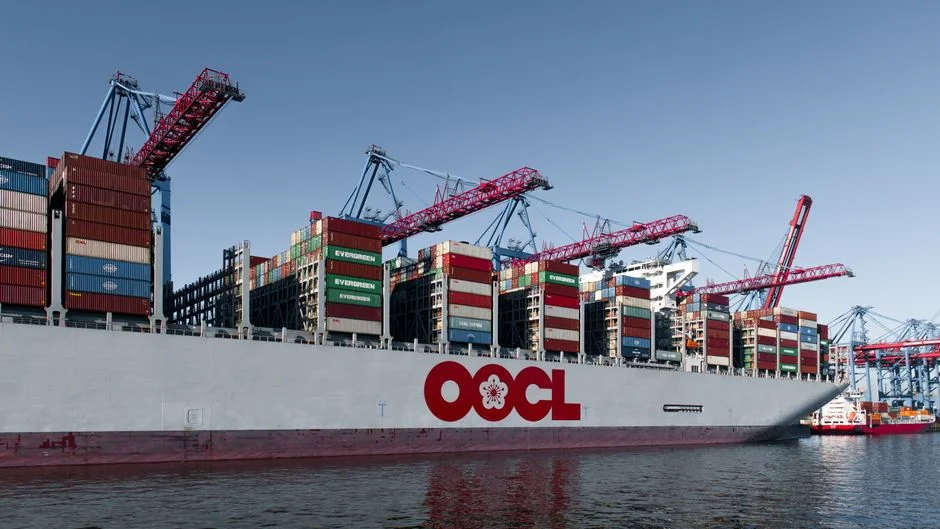
Logistics companies are scrambling to reroute shipments, but the cost of diesel and the delay in delivery times are eating into profit margins. The disruption highlights the fragility of just-in-time inventory models in the face of increasingly volatile weather patterns. Companies that rely heavily on the Cape Town port for imports and exports are facing unexpected delays that could ripple through their balance sheets for months.
Impact on Key Sectors
The agricultural sector, a cornerstone of the Western Cape economy, has suffered significant damage. Vineyards in the Stellenbosch and Franschhoek regions report broken canes and flooded vine floors, which could affect the upcoming harvest. This damage is not just a local issue; it threatens the export potential of South Africa’s wine industry, a major foreign exchange earner for the country.
Tourism, another vital economic driver, is facing a potential downturn. With Cape Town being a top destination for international and domestic travelers, the storm has disrupted flight schedules and hotel bookings. The immediate cancellation of tours and events has led to a sudden drop in revenue for hospitality businesses. The long-term impact will depend on how quickly the region can recover its appeal and infrastructure.
Manufacturing plants in the Cape Flats industrial zone have also been affected by power fluctuations and flooding. These disruptions force factories to run on backup generators, increasing operational costs. The cumulative effect on production output could lead to a slight dip in the province’s contribution to the national GDP for the quarter.
Investor Sentiment and Market Reactions


Financial markets are reacting to the news with a mix of caution and opportunity. Shares in insurance companies are seeing increased trading volume as investors anticipate a surge in claims. However, the broader market sentiment is influenced by the perception of risk associated with climate change and infrastructure resilience. Investors are looking for signals on how well the region can bounce back.
The Rand has shown slight volatility in response to the news, reflecting investor concerns about the stability of the Western Cape’s economic output. While the storm’s impact on the national currency is currently limited, persistent weather-related disruptions could lead to more sustained pressure. Analysts are closely monitoring the situation to gauge the long-term implications for foreign direct investment in the region.
Real estate investors are also reevaluating the risk profiles of properties in flood-prone areas. The storm has highlighted the need for better drainage systems and building codes. This could lead to a shift in investment patterns, with capital flowing towards more resilient properties and infrastructure projects. The market is beginning to price in the cost of climate adaptation.
Government Response and Fiscal Implications
The provincial government has declared a state of disaster, unlocking funds for immediate relief and reconstruction. This decision will have fiscal implications for the Western Cape’s budget, potentially leading to increased borrowing or reallocation of resources from other departments. The speed and efficiency of the government’s response will be crucial in stabilizing the local economy.
Infrastructure spending is likely to increase in the coming months, providing a boost to the construction sector. However, this comes at a cost to taxpayers and could lead to slight increases in provincial taxes or service fees. The government must balance the need for immediate recovery with long-term fiscal sustainability. Effective management of these funds will be critical in maintaining investor confidence.
The national government is also stepping in with support, recognizing the strategic importance of the Western Cape to the broader South African economy. Coordination between different levels of government will be essential to ensure that resources are deployed efficiently. The outcome of this collaboration will set a precedent for how South Africa handles future climate-related economic shocks.
Long-Term Economic Resilience Strategies
This storm serves as a stark reminder of the need for long-term economic resilience strategies. Businesses must invest in better infrastructure, diversified supply chains, and robust insurance policies. The cost of inaction is becoming increasingly clear, as seen in the immediate financial losses suffered by local enterprises. Proactive measures can mitigate the impact of future events.
Investors are encouraged to look beyond the immediate disruption and consider the long-term trends shaping the Western Cape’s economy. Climate change is not a distant threat; it is a present reality that affects market dynamics. Companies that adapt to these changes will be better positioned for growth and stability. This shift in perspective is crucial for sustainable investment in the region.
The storm also highlights the importance of data-driven decision-making. Accurate weather forecasting and real-time economic data can help businesses and investors make informed choices. The integration of technology in economic planning will be a key differentiator in the post-storm recovery phase. Embracing innovation will be essential for building a more resilient economy.
What to Watch in the Coming Weeks
In the coming weeks, the focus will shift from immediate relief to long-term reconstruction. Investors and businesses should monitor the release of detailed damage assessments from the provincial government. These reports will provide valuable insights into the scale of the economic impact and the priorities for recovery spending. This data will be crucial for making informed investment decisions.
The performance of key economic indicators, such as retail sales, tourism arrivals, and agricultural output, will also be closely watched. These metrics will provide a clear picture of how quickly the Western Cape economy is recovering. Any signs of prolonged disruption could have broader implications for the national economy. Staying informed about these trends is essential for navigating the post-storm economic landscape.
See Also
- Kipchoge Triggers Cape Town Tourism Surge Ahead of 2026
- SAPS Corruption Scare Shakes South African Markets
What is the latest news about storm hits cape town 10 dead markets reel?
Why does this matter for agriculture-food?
What are the key facts about storm hits cape town 10 dead markets reel?