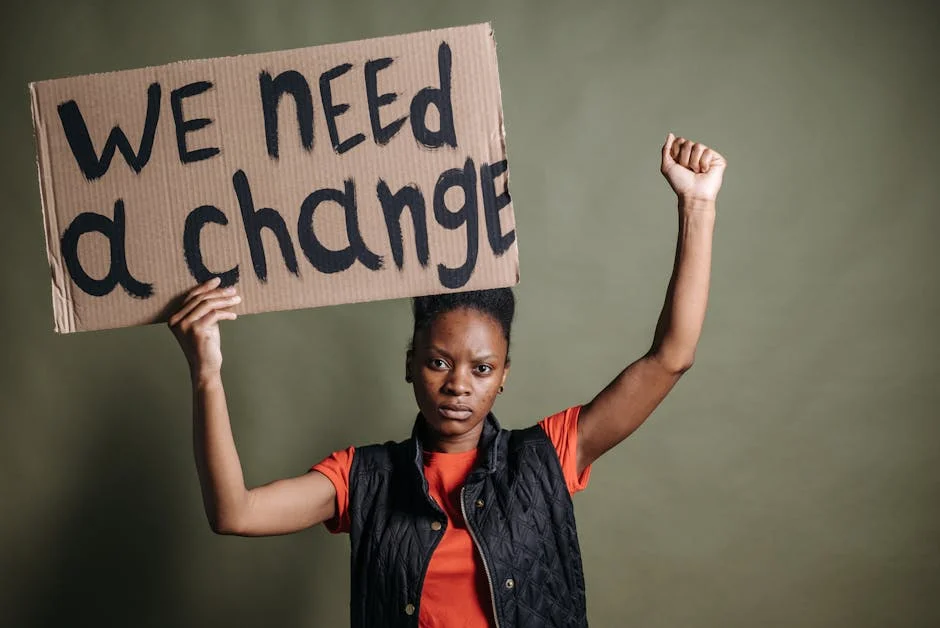
Political uncertainty in South Africa is accelerating, sending shockwaves through local markets and testing the resilience of the Rand. Investors are watching Cape Town closely as legislative debates stall and public protests intensify, creating a volatile environment for business operations. This instability is no longer just a political footnote; it is becoming a primary driver of economic performance.
Market Reaction to Political Volatility
The Johannesburg Stock Exchange reacted swiftly to the latest political developments, with key blue-chip shares experiencing notable fluctuations. The FTSE JSE All Share Index dipped by 1.2% in early trading, reflecting investor anxiety about the pace of economic reform. Currency traders were not far behind, with the Rand weakening against the US Dollar as foreign investors sought safer havens.
This market movement is not isolated. It reflects a broader trend where political signals directly influence asset prices in emerging markets. When legislative progress slows, capital tends to flow out of riskier assets. South Africa is currently experiencing this dynamic in real-time, as uncertainty regarding fiscal policy keeps investors on edge. The financial sector in Sandton is bracing for continued volatility if the political deadlock persists.
Impact on Foreign Direct Investment
Foreign Direct Investment (FDI) flows are particularly sensitive to political stability. Companies looking to expand in Africa are currently reassessing their entry strategies for South Africa. The delay in passing critical business-friendly legislation has made some multinational corporations hesitant to commit capital. This hesitation can lead to a slowdown in job creation and economic growth over the medium term.
Investors are demanding clarity on tax policies, labor laws, and energy infrastructure. Without clear signals from Pretoria, the cost of capital for South African businesses may rise. Higher borrowing costs can squeeze profit margins, especially for small and medium-sized enterprises that rely on flexible financing. The message from the market is clear: stability is a prerequisite for sustained investment.
Business Operations Under Pressure
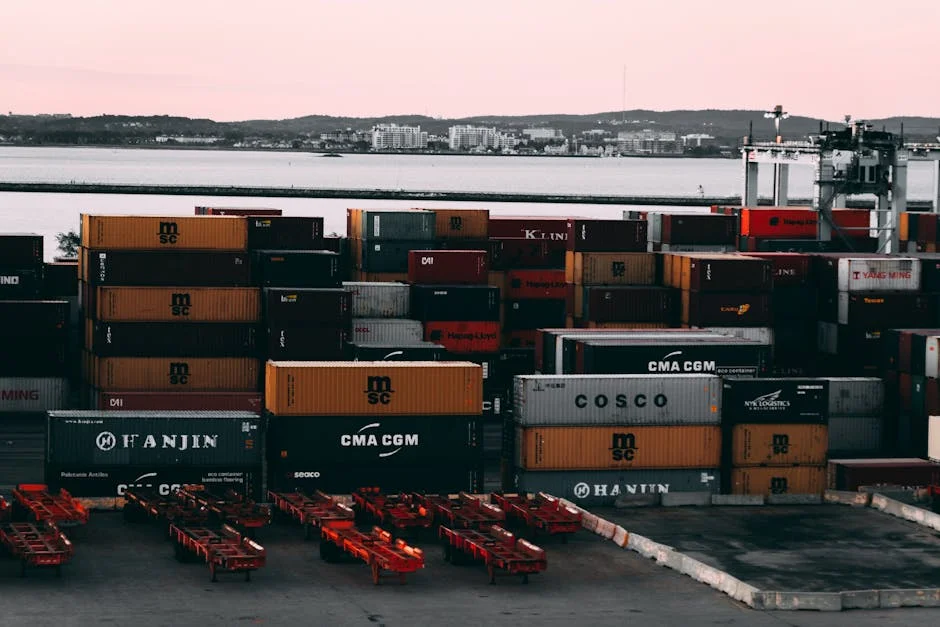
Local businesses are feeling the strain of the political environment. Supply chain disruptions, often exacerbated by transport strikes and port delays, are becoming more frequent. These operational hurdles increase costs for companies and can lead to price increases for consumers. The retail sector, in particular, is vulnerable to these fluctuations, as consumer spending power is directly linked to wage growth and employment stability.
The mining industry, a cornerstone of the South African economy, is also facing challenges. Mines near Johannesburg and in the Western Cape are dealing with labor unrest and regulatory uncertainty. These factors can lead to production slowdowns, affecting export revenues and the balance of payments. Companies in this sector are calling for a more predictable regulatory framework to encourage long-term investment.
Consumer Sentiment and Spending Power


Consumer confidence is a leading indicator of economic health, and it is currently under pressure. Households are becoming more cautious with their spending, anticipating potential price hikes in key sectors such as energy and transport. This shift in behavior can have a ripple effect on the broader economy, reducing demand for goods and services. Retailers are responding by adjusting inventory levels and promotional strategies to attract price-sensitive shoppers.
The cost of living remains a major concern for South Africans. Inflationary pressures, driven by global factors and local supply issues, are eroding purchasing power. When consumers spend less, businesses see lower revenues, which can lead to hiring freezes or even layoffs. This cycle can slow down economic growth, making it more challenging for the country to achieve its fiscal targets. The Reserve Bank is closely monitoring these trends to determine the appropriate monetary policy response.
Fiscal Policy and Government Revenue
Government revenue collection is another area affected by political instability. Uncertainty can delay tax payments and reduce compliance rates, impacting the state's ability to fund essential services. The National Treasury is under pressure to maintain fiscal discipline while addressing the growing demands for social spending. This balance is difficult to strike, especially when economic growth is sluggish.
Bond yields have risen slightly, reflecting the market's assessment of the country's credit risk. Higher yields mean the government must pay more to borrow money, which increases the national debt burden. This can lead to rating agencies downgrading South Africa's credit rating, further increasing the cost of borrowing for both the state and private sector. Investors are watching the upcoming budget speech for signs of fiscal prudence.
Energy Sector and Infrastructure Challenges
The energy sector continues to be a critical issue for the South African economy. Load shedding, or planned power outages, remains a persistent problem, affecting businesses and households alike. The uncertainty surrounding the long-term strategy for power generation is causing concern among investors. Companies are investing in backup power solutions, which adds to their operational costs.
Infrastructure development is also facing delays due to political debates over procurement and project management. Ports, roads, and railways are essential for trade, and any inefficiencies can increase the cost of doing business. The government's ability to deliver on infrastructure promises will be a key test of its effectiveness. Investors are looking for concrete milestones in major projects to gauge the progress being made.
Regional Implications for Southern Africa
South Africa's political stability has implications for the broader Southern African region. As a major economic hub, any disruption in South Africa can affect trade and investment flows in neighboring countries. Nations such as Namibia, Botswana, and Lesotho are closely monitoring the situation, as their economies are interlinked with South Africa's. Regional integration efforts may face headwinds if political uncertainty in South Africa persists.
The African Development Bank has noted that political stability is a key driver of economic growth in emerging markets. South Africa's experience serves as a reminder of the importance of strong institutions and predictable policy frameworks. Regional investors are assessing the risk-reward profile of the Southern African Customs Union, with some diversifying their portfolios to mitigate exposure to South African volatility. The ripple effects of political decisions in Pretoria extend well beyond its borders.
Investment Strategies Amid Uncertainty
Investors are adopting a cautious approach to South African assets. Diversification is key, with many spreading their investments across different sectors and regions to manage risk. Defensive stocks, such as consumer goods and healthcare, are often seen as safer bets during periods of uncertainty. These sectors tend to perform better when economic growth slows, as demand for essential goods remains relatively stable.
Fixed-income investors are also adjusting their strategies, looking for higher yields to compensate for increased risk. Corporate bonds with strong credit ratings are attracting attention, as companies with robust balance sheets are better equipped to weather economic storms. Equity investors are focusing on companies with strong cash flows and low debt levels, which provide more flexibility in a volatile environment. The key is to maintain a long-term perspective while managing short-term risks.
What to watch next: The upcoming parliamentary votes on key economic legislation will provide critical signals to the market. Investors should monitor the Rand's movement against major currencies and watch for any changes in interest rate expectations. The reaction of rating agencies to the political developments will also be a key indicator of future economic stability. Keep an eye on the National Treasury's interim budget statements for further clarity.
The African Development Bank has noted that political stability is a key driver of economic growth in emerging markets. What to watch next: The upcoming parliamentary votes on key economic legislation will provide critical signals to the market.